
The modern approach to home interior design has undergone a significant transformation, moving from the traditional reliance on physical mood boards and retail catalogs to a highly digitized, AI-assisted process. Recent data from Google indicates that interest in home aesthetics is surging, with searches for "home decor inspo" increasing by 300% over the last month alone. As homeowners seek to blend aesthetic vision with practical execution, tech giants have pivoted to provide tools that bridge the gap between imagination and reality. This shift marks a broader trend in consumer technology: the transition of search engines from simple information repositories to functional, creative partners in everyday life.
The Evolution of Digital Interior Design
Historically, the process of renovating or decorating a home involved extensive physical scouting, manual measurement, and significant financial trial and error. The digital era initially simplified this with e-commerce platforms, but the integration of artificial intelligence and augmented reality (AR) has taken the experience further. According to market research, the home decor market is increasingly driven by social media trends—specifically platforms like Instagram and Pinterest—which have fueled a 140% spike in niche searches for items like "fish wallpaper."
The current landscape of home decor is defined by bold choices. Search trends reveal a distinct pivot toward vibrant palettes, with teal and magenta emerging as top-tier paint colors for 2025. However, the hurdle for most consumers remains the "execution gap"—the difficulty of moving from a digital image to a physical space. To address this, Google has rolled out a suite of integrated tools designed to streamline the renovation process, from visualization to budget tracking.
1. Advanced Visualization Through AI Integration
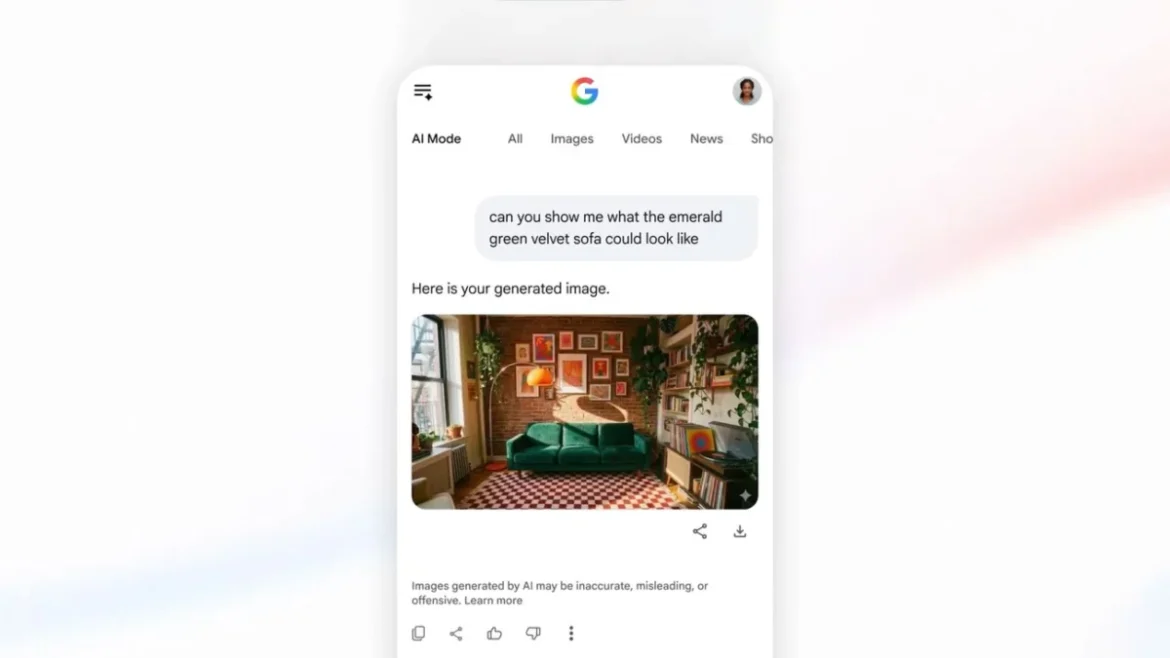
The primary pain point for most interior decorators is the uncertainty of scale. A piece of furniture that appears ideal in a studio-lit product image may prove disproportionate in a real-world living room. Google’s AI Mode in Search now attempts to mitigate this by allowing users to upload high-resolution photos of their physical spaces.
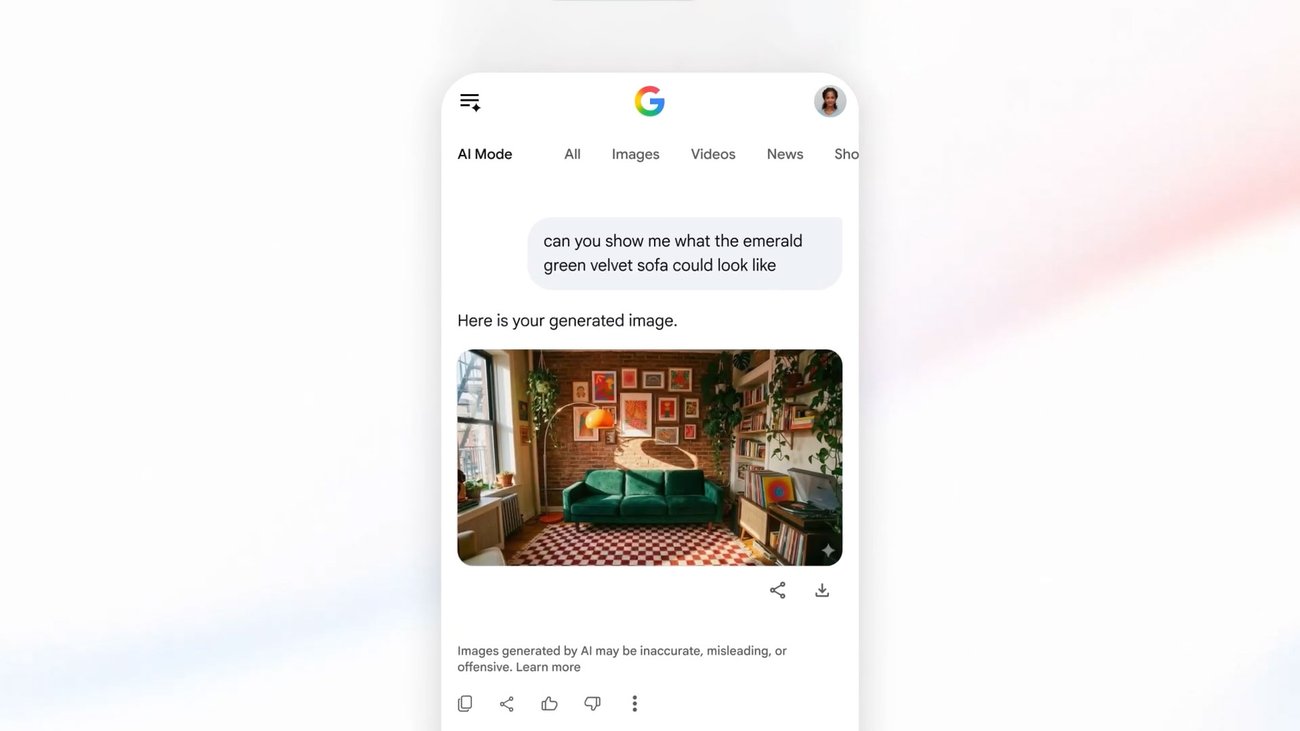
By analyzing the dimensions of a room—such as a specific wall measurement—the AI provides tailored recommendations that align with the spatial constraints provided by the user. For instance, a user can input, "Based on my living room, what kind of couch would you recommend for an 84-inch wall?" The system then generates visual mockups, allowing users to experiment with textures, such as "emerald green velvet," to observe how light and color interact with their specific environment. This reduces the return rates often associated with online furniture shopping, an area that has historically struggled with a 15–20% return rate for large items.
2. The Rise of Visual Commerce with Lens
The demand for vintage aesthetics has reached an all-time high, with items like "vintage braided rugs" and "vintage wood coffee tables" dominating trending search queries. This interest in the "pre-loved" market mirrors the broader consumer shift toward sustainability and unique, non-mass-produced goods.
Google Lens has become the primary conduit for this movement. By utilizing image-recognition technology, users can capture a photograph of an item encountered in a retail setting, a museum, or a friend’s home. The search engine then cross-references this image against a global database to identify the item, locate similar pieces, and—crucially—provide pricing comparisons. This democratizes the "vintage hunt," allowing individuals to find mid-century modern or antique pieces without requiring the expertise of a professional interior designer or the time to visit specialized boutiques.
3. Streamlining Discovery with Circle to Search
The digital discovery phase of home decor often happens in fragmented environments—scrolling through social media feeds, watching video tutorials, or browsing architectural blogs. Previously, a user would have to take a screenshot, open a separate shopping app, and attempt to describe the item in a search box.
The implementation of "Circle to Search" technology on flagship devices, such as the Samsung Galaxy S26 and Pixel series, removes these friction points. By allowing users to long-press their navigation bar and physically circle an object on their screen, the device initiates a search for that exact item or its nearest match. This capability has proven particularly effective for viral trends, such as the aforementioned fish wallpaper. Industry analysts suggest that this "zero-friction" search capability is likely to increase conversion rates for mid-sized retailers who lack the massive marketing budgets of global furniture conglomerates.
4. Navigating the DIY Movement via Search Live
As home ownership costs continue to rise, there has been a quantifiable increase in DIY (Do-It-Yourself) projects. The popularity of floating shelves is a prime example; while they are relatively affordable to purchase, the installation process remains a deterrent for many.
To address this, Google introduced "Search Live," a feature that leverages real-time video input. By enabling the camera feed within the Google app, users can interact with a digital assistant as if they were speaking to a contractor. The assistant provides step-by-step guidance based on the visual context of the user’s tools and the specific wall material. This shift toward conversational, visual-assisted tutorials marks a transition in the "Help" economy, moving away from static blog posts toward interactive, synchronous support.
5. Financial Transparency and Price Optimization
The final barrier in any home upgrade is the financial commitment. With the volatility of supply chains affecting the price of raw materials like wood and textiles, consumers are increasingly price-sensitive.
Google’s price-tracking tools now offer a granular look at market fluctuations. When a user navigates to a product page, the search engine provides a price history graph. This allows the consumer to determine if a "sale" price is genuinely discounted or if it represents a standard market fluctuation. Furthermore, the "Track Price" feature allows users to set alerts, essentially automating the haggling process. This functionality provides a significant level of consumer leverage, ensuring that design enthusiasts can maintain their aesthetic standards without overpaying for goods.
Broader Economic and Design Implications
The integration of these search technologies into the home decor industry has profound implications for both retailers and consumers. For the consumer, the barrier to high-end design is significantly lowered. The ability to visualize, identify, and price-check items in real time creates a more informed, confident buyer.
For retailers, the shift represents both a challenge and an opportunity. Businesses that optimize their online presence to be compatible with visual search engines like Google Lens are likely to capture a larger share of the market. Conversely, those that rely on opaque pricing or poorly optimized images may find themselves losing visibility as search algorithms prioritize visual accuracy and transparent pricing data.
From a sociological perspective, this trend reflects a desire for individual expression in an era of mass-market furniture. As more people leverage AI to curate their spaces, the home is becoming an increasingly personalized environment, dictated less by retail trends and more by algorithmic assistance tailored to the user’s specific preferences and spatial realities. Whether it is the bold inclusion of magenta paint or the tactical installation of floating shelves, the modern home is being built one search query at a time. The transition is not merely about finding products, but about integrating sophisticated technological tools into the intimate, creative process of building a home.
