The recent Token2049 Singapore 2025, a premier gathering for the global cryptocurrency and Web3 industry, underscored a significant shift in venture capital allocation strategies. Insights gleaned from the event reveal that investors are actively reassessing their approach to venture capital in the wake of a discernible post-hype cycle. The conference, known for its energetic atmosphere and global attendance, adopted a notably pragmatic tone, with conversations steering away from speculative growth towards core principles of structure, liquidity, and institutional alignment. This recalibration signifies a maturing Web3 venture capital landscape.
Regional Shifts and Evolving Market Sentiment: A Tale of Two Hubs
A key observation from Token2049 Singapore 2025 was a discernible regional rebalancing of attention among venture capital participants. Anecdotal evidence suggested that a significant portion of attendees prioritized Korea Blockchain Week over the Singaporean event this year. This apparent shift can be attributed to a confluence of factors, including burgeoning enthusiasm within South Korea’s burgeoning crypto ecosystem and evolving regulatory landscapes in both regions.
South Korea has been actively formalizing its virtual asset framework, introducing clearer guidelines concerning custody, taxation, and investor protection. This proactive regulatory approach has fostered an environment of increasing confidence and formalization. Conversely, Singapore’s Monetary Authority (MAS) has expanded its licensing regime, imposing registration requirements on even offshore-facing crypto firms operating within its sphere of influence.
The consequence of these differing approaches is a bifurcated regulatory environment. South Korea is signaling a welcoming stance within defined parameters, fostering innovation under a structured framework. Singapore, on the other hand, is implementing stricter filters to ensure long-term market stability and investor protection. These contrasting dynamics provided a significant backdrop to the discussions and overall sentiment at Token2049 Singapore 2025, influencing the tenor of conversations and strategic considerations.
Market Discipline and VC Maturity: The Token2049 Singapore Revelation
Beyond these regional nuances, the venture capital insights shared at Token2049 Singapore 2025 pointed towards a pronounced evolution in market maturity. The effervescent speculative optimism that characterized earlier investment cycles has given way to a more grounded, pragmatic realism. This sentiment, initially hinted at during Token2049 Dubai earlier in the year, was definitively confirmed in Singapore. The Web3 ecosystem is demonstrably recalibrating around data-driven decision-making processes.
For firms like Outlier Ventures, this evolution is viewed not as a contraction but as a natural progression towards a more robust and sustainable investment paradigm. This shift mirrors the evidence-based discipline that has guided their approach for over a decade. In the current climate, data is increasingly underpinning investment conviction, supplanting the reliance on hype with a more informed and selective allocation strategy.
Capital Concentration and the Dominance of Later-Stage Investments
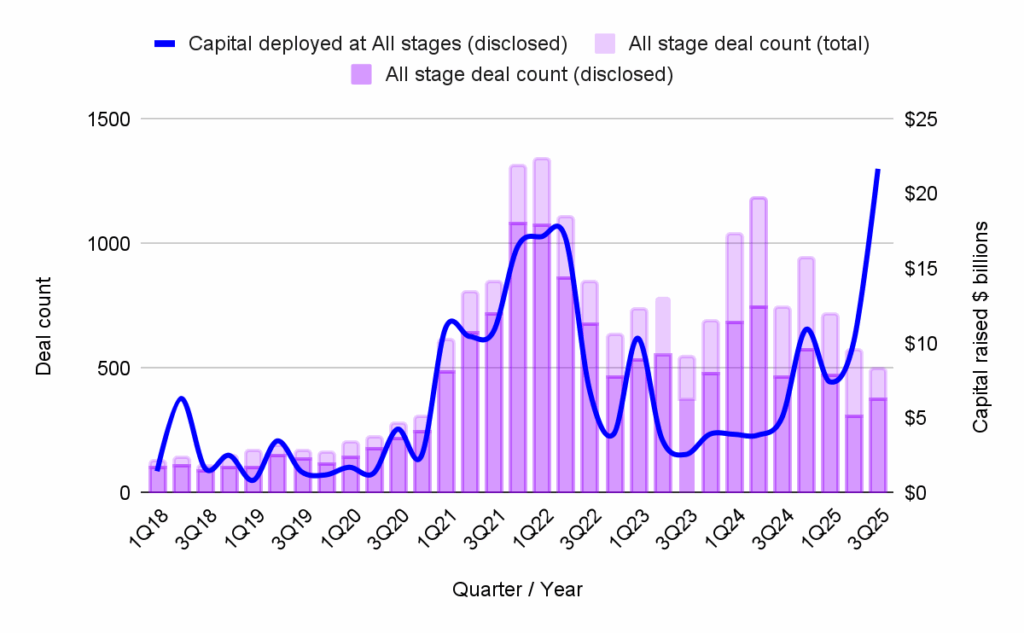
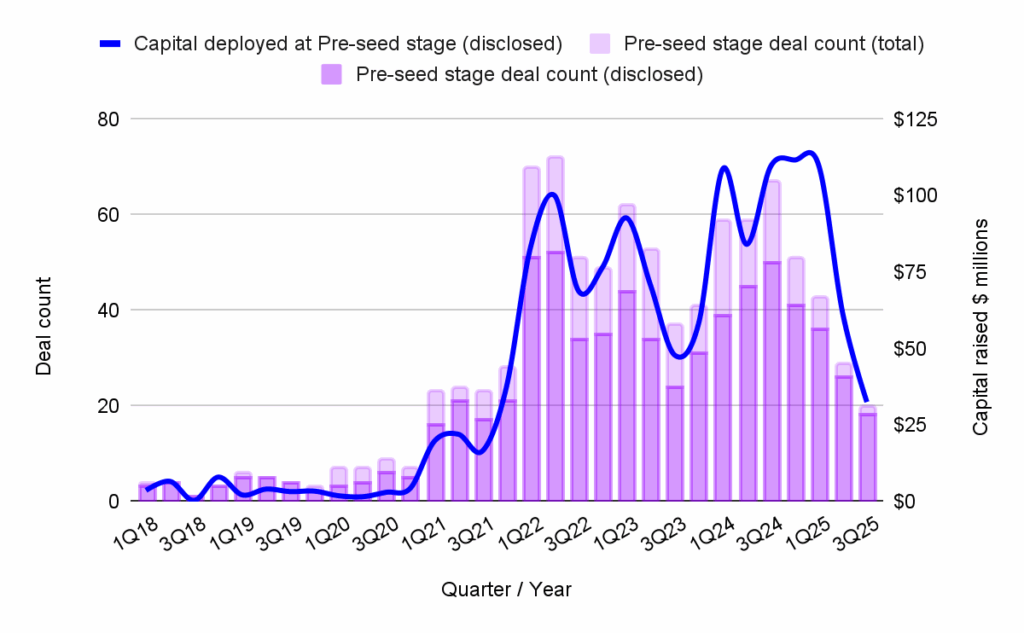
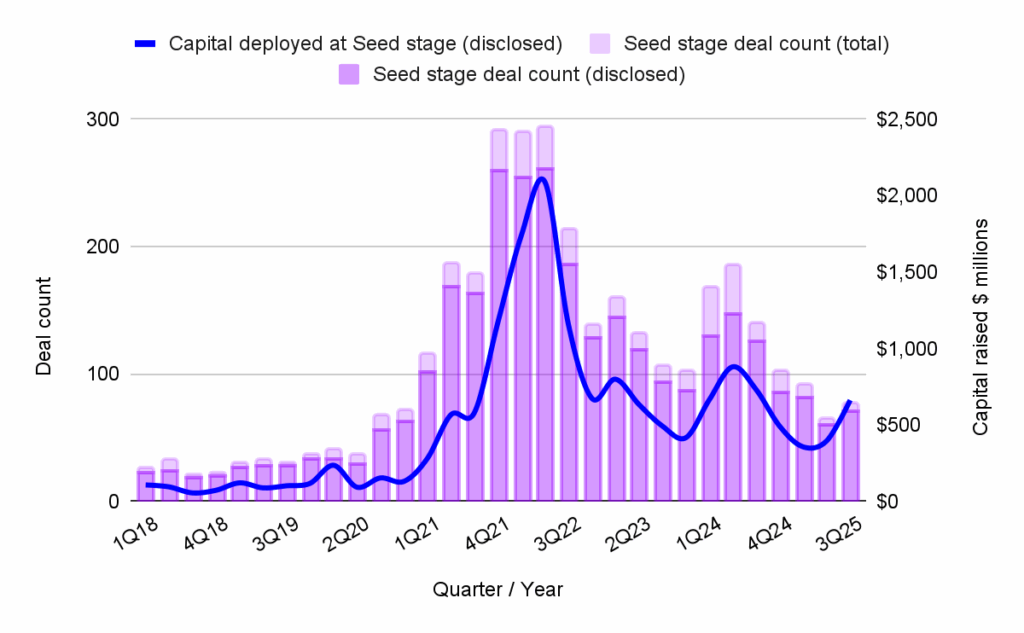
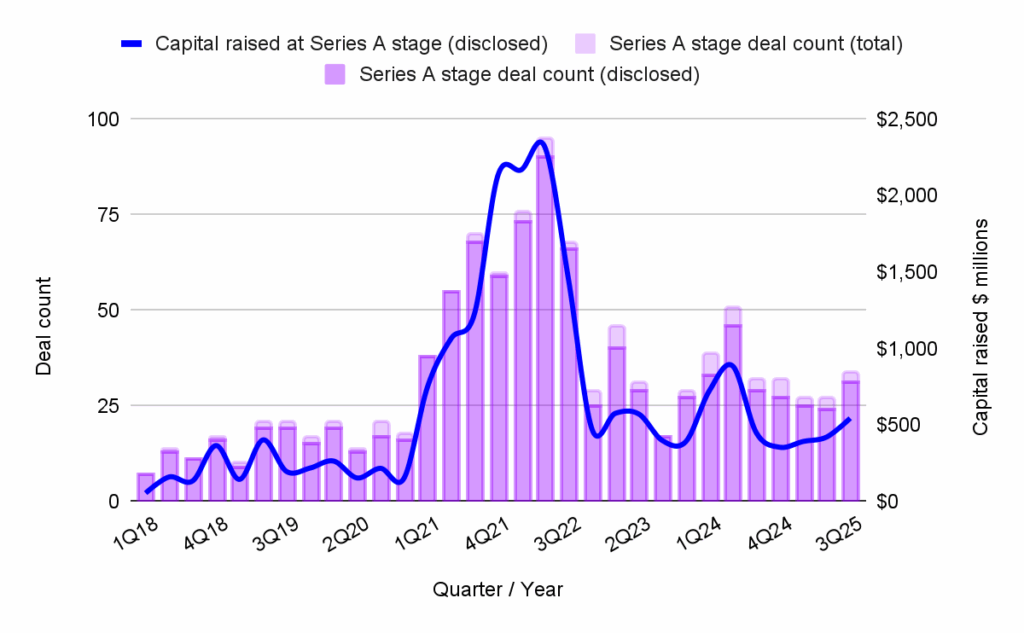
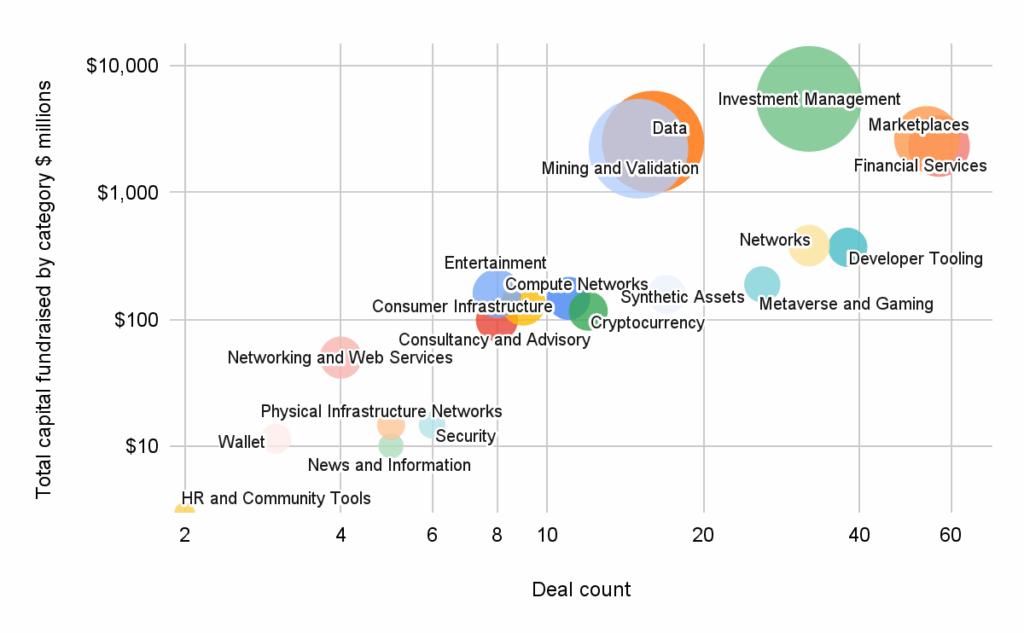
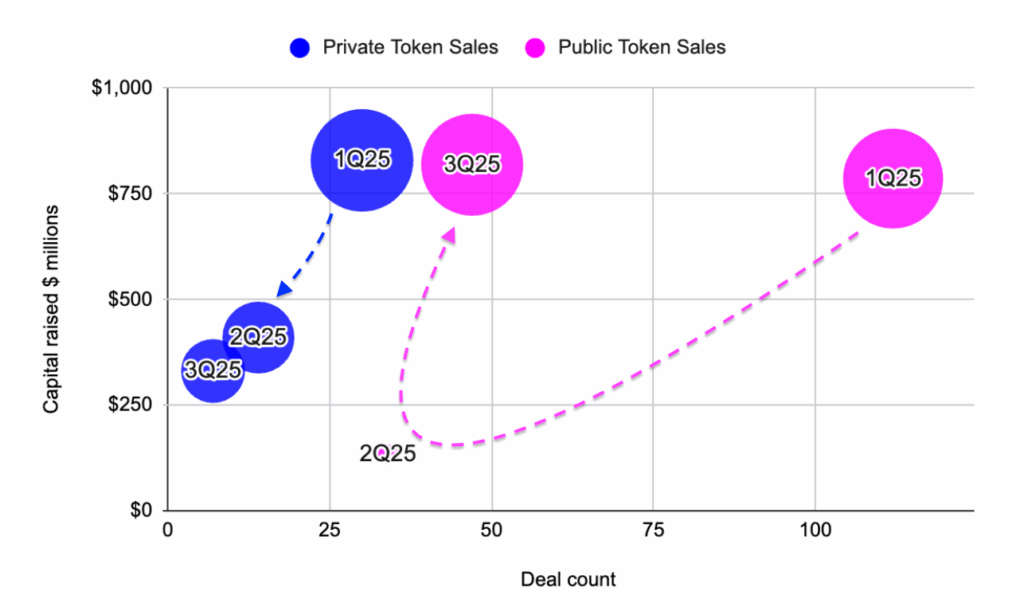
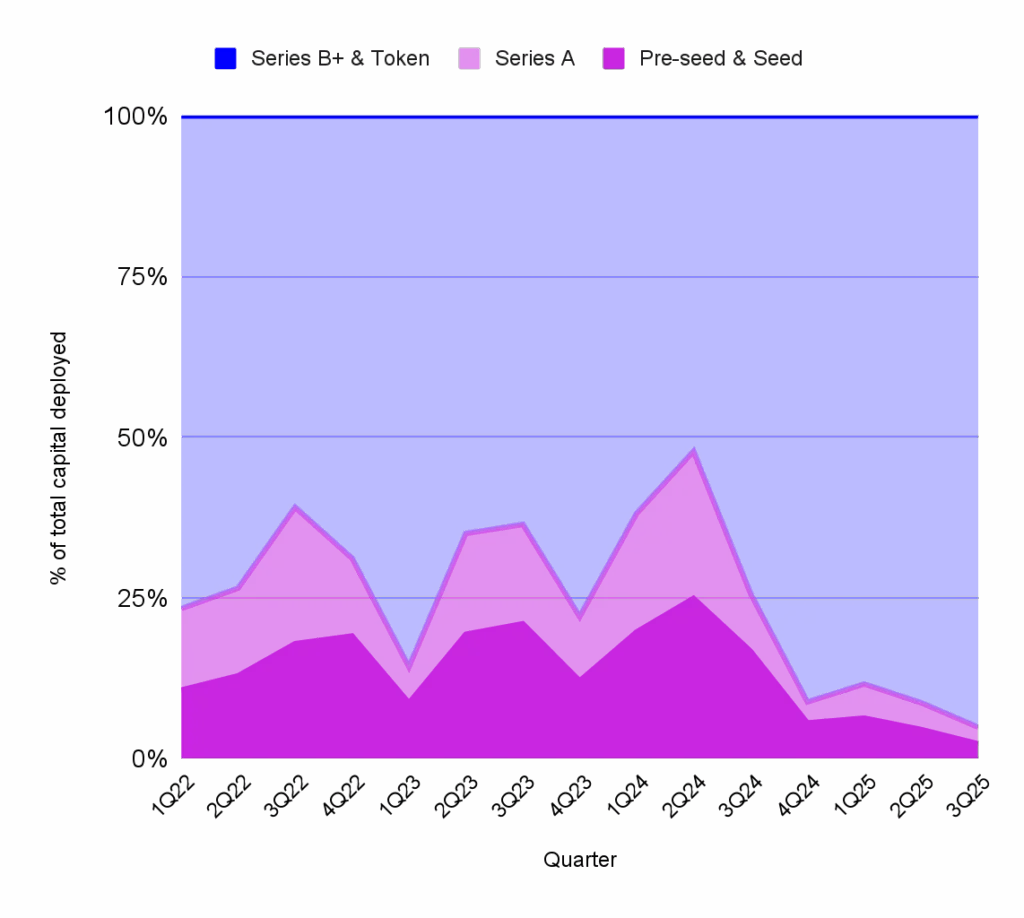
Preceding Token2049 Singapore 2025, Outlier Ventures’ analysis of Web3 fundraising data for the first half of 2025 had already indicated a slowdown in allocations for pre-seed to Series A funding rounds. In contrast, later-stage rounds continued to command significant investor attention. Conversations with venture capitalists at the conference served to corroborate this trend, revealing a landscape characterized by fewer early-stage deals but a notable increase in the average size of Series B and beyond rounds.
Figure 1 illustrates the percentage of total capital deployed across different funding stages from Q1 2022 to Q3 2025. The data suggests a concentration of capital in later-stage funding rounds.
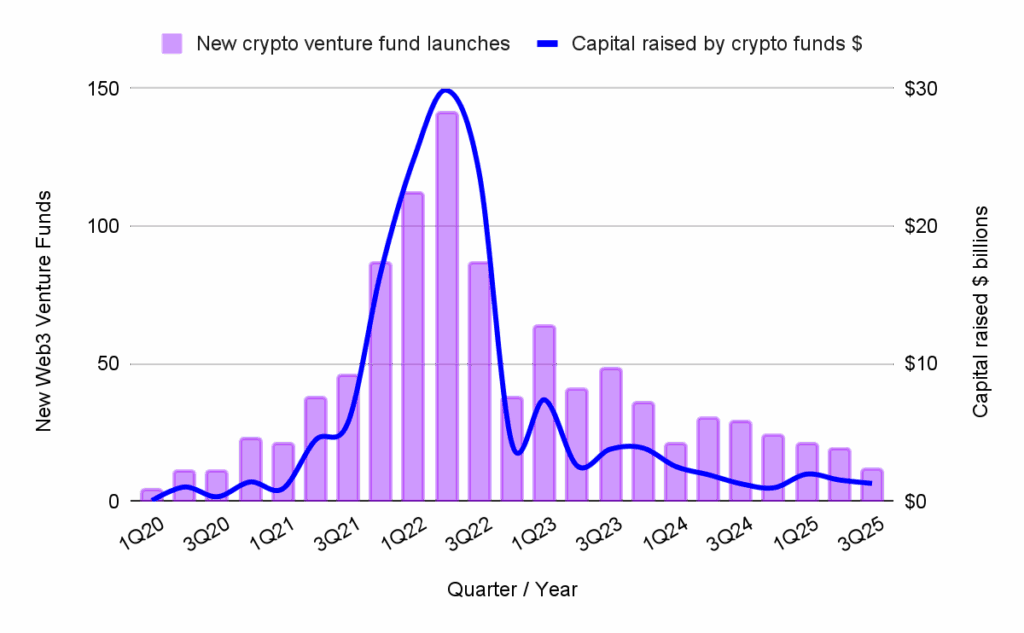
A primary driver behind this dynamic is the timing of fund deployment. Many venture capital vehicles that successfully raised substantial capital during the market boom of 2020-2021 are now fully allocated. General Partners (GPs) are consequently focusing on managing their existing successful investments and pursuing exit opportunities rather than making new, early-stage bets. The relative scarcity of new fund launches since that peak period has further reinforced this trend. Despite this, investor conviction remains; there is continued support for resilient founders who can demonstrate consistent usage, traction, and revenue growth across various market cycles. This observation is frequently reflected in the portfolios of venture firms, where founders are actively building and adapting rather than waiting for an upturn.
Data-Led Investment and the Imperative of Liquidity Management
Another significant VC insight emerging from Token2049 Singapore 2025 was the enhanced advantage that General Partners (GPs) now possess: data. Four years prior, this data advantage was considerably less pronounced. Today, GPs have access to far more comprehensive information regarding which portfolio sectors have demonstrated resilience, which founders have achieved genuine growth, and which asset classes have outperformed. The strategic redeployment of capital into existing successful investments is no longer viewed as a defensive maneuver but as a rational and data-informed decision.
In response to this evolving market, some GPs have proactively developed over-the-counter (OTC) trading capabilities or established internal liquidity teams. These initiatives enable them to capitalize on investment opportunities that might have been previously missed. This evolution signifies a broader industry shift towards precision investing. At Outlier Ventures, data continues to be the cornerstone of this strategy. Their extensive repository of benchmarks and traction metrics, meticulously gathered over more than a decade of accelerator operations, empowers venture partners to allocate capital with enhanced clarity and conviction.

Figure 2 depicts trends in Web3 venture capital fund formation and the total capital raised by these funds from Q1 2020 to Q3 2025, highlighting shifts in fundraising activity.
From Momentum to Maturity: A Fundamental Shift in VC Strategy
The discussions at Token2049 Singapore 2025 also featured a candid reflection by many investors on the lessons learned from recent market cycles. The Web3 industry has demonstrably matured through successive phases, moving away from high-risk, speculative bets driven primarily by narrative momentum towards projects that can substantiate measurable traction, consistent revenue growth, and robust underlying fundamentals. The speculative reflex that once defined early Web3 investing has now been supplanted by a more disciplined, data-driven approach—a theme that resonated throughout the conference.
For many Web3 venture capital funds, this transition towards maturity has been a hard-earned process. An overreliance on thematic hype and subsequent disappointment with the performance of certain token launches have led to a reassessment of portfolio value, with greater emphasis now placed on equity holdings. Consequently, exit opportunities have become more elongated, reinforcing a more patient and evidence-based investment mindset among leading investors. This transition, a central topic at Token2049 Singapore, marks a fundamental departure from momentum trading towards conviction rooted in fundamental analysis.
Figure 3 shows Joy Sim, Ecosystem Manager at Outlier Ventures, participating in a discussion at Sonic Summit during Token2049 Singapore 2025, illustrating the active engagement of industry leaders.
The strategic imperative has therefore shifted towards more effective management of liquidity, particularly that recovered from prior market cycles. This renewed discipline has resulted in a reduced appetite for illiquid early-stage exposure. Instead, investors are increasingly seeking to balance their venture portfolios with liquid assets and yield-generating protocols. These strategies serve as crucial hedges against market volatility and ensure that capital remains productively deployed. Discussions at Token2049 Singapore 2025 highlighted this trend, underscoring how sophisticated liquidity management has become a core component of fiduciary responsibility within the Web3 venture ecosystem.
Digital Asset Treasuries (DATs): Liquidity as a Strategic Imperative
Liquidity management emerged as one of the most defining VC insights from Token2049 Singapore 2025, clearly signaling a fundamental shift in how funds approach capital efficiency. This trend is vividly illustrated by the prominent discussions surrounding Digital Asset Treasuries (DATs) both on stage and in informal conversations. The concept of a "DAT Revolution" was even articulated, reflecting the growing significance of these instruments. Initially conceived as an institutional bridge between traditional finance (TradFi) and the cryptocurrency markets, DATs have evolved into highly flexible instruments for short-term capital efficiency. Their increasing adoption is a direct manifestation of the broader market maturity, characterized by an emphasis on flexibility, transparency, and measured deployment over unchecked risk-taking.
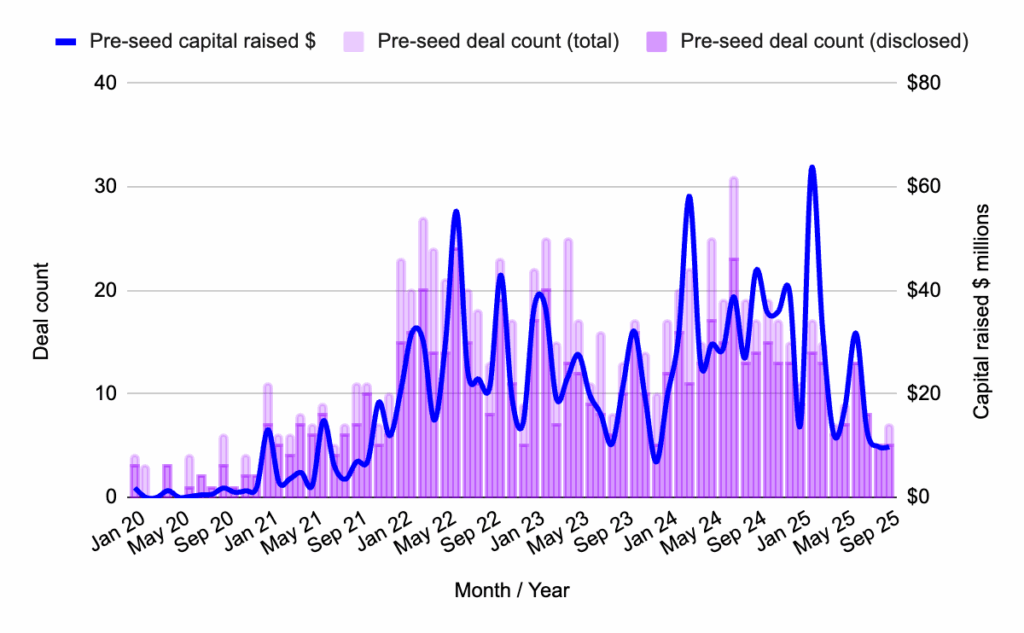
However, this evolution is not without its implications. The greater the allocation of capital towards DATs, the less capital becomes available for early-stage startups. In this context, the success of DATs could inadvertently exacerbate the existing funding squeeze for nascent ventures. Nevertheless, DATs should not be dismissed as a fleeting narrative. Their rise is indicative of a genuine and pressing need for enhanced liquidity, greater optionality, and more responsible treasury management, reflecting a growing financial sophistication rather than mere speculation.
LP Expectations and Headwinds in VC Fundraising
The landscape for raising new Web3 venture capital funds has become increasingly challenging. Limited Partners (LPs) are applying more stringent evaluation criteria, placing a significant emphasis on realized returns, transparency, and robust governance structures. A central VC insight from Token2049 Singapore 2025 was that this increased scrutiny signifies a maturing market rather than a decline in investor interest. While new funds will undoubtedly emerge, the process of closing them is expected to be longer and demand greater demonstrable proof of discipline and data-backed performance.
At Outlier Ventures, this market recalibration aligns seamlessly with their strategic positioning as a vital bridge between institutional capital and early-stage innovation. Leveraging over a decade of data and founder performance benchmarks from nearly 400 portfolio companies, they actively collaborate with VCs, LPs, and ecosystem partners to identify high-quality investment opportunities grounded in verifiable traction and long-term conviction.
Founder Perspective: Navigating Fundraising and Establishing Credibility
As consistently discussed throughout Token2049 Singapore 2025, founders are adapting to this evolving environment with heightened focus and a more pragmatic outlook. Bootstrapping and revenue-first business models have become the prevailing standard. Market participants now expect tangible, meaningful traction from projects before committing capital. Many founders interviewed at the event shared a common sentiment: while narrative may initially capture attention, it is consistent performance that sustains it.
Traditional fundraising mechanisms such as KOL (Key Opinion Leader) rounds or hype-driven launchpads have largely faded in significance. However, new avenues are emerging that prioritize transparency, liquidity, and community trust. Platforms like Virtuals and Hyperliquid, for instance, have gained traction through their fair launch models, offering projects a transparent, market-driven entry point. Concurrently, community-led token rounds facilitated through networks like Echo, Coinlist, and Legion continue to experience growth. These innovative models foster alignment among investors, early adopters, and users through shared long-term incentives, signaling a healthier and more sustainable pathway for capital formation within the Web3 ecosystem.
A Purposeful Recalibration for Venture Capital: Concluding Thoughts on Token2049 Singapore 2025

Taken in aggregate, the VC insights gleaned from Token2049 Singapore 2025 illuminate a venture ecosystem entering a phase of deliberate and purposeful transformation. The industry is not contracting; it is maturing. Investors are assiduously balancing liquidity considerations with long-term investment conviction, LPs are demanding greater clarity on metrics and governance, and founders are adapting to a higher standard of validation before seeking capital.
While the rise of DATs and the concentration of capital in later-stage investments may pose challenges for early-stage activities, these trends also exemplify a market that is learning from past experiences and refining its inherent discipline. Token2049 Singapore 2025 effectively captured this profound shift in sentiment: a move from spectacle towards substance, and from momentum-driven speculation towards rigorous measurement.
The overarching message is unequivocally clear. Liquidity discipline, operational maturity, and demonstrated product-market fit have decisively replaced unchecked exuberance as the new definitive signals of strength. For seasoned investors, data-driven funds, and resilient founders who embrace this paradigm shift, this period represents not a downturn but a foundational stage for sustainable, long-term growth. The Web3 venture ecosystem is transitioning from a focus on narrative to one of necessity, and those entities prepared to meet this elevated standard will undoubtedly shape its future trajectory.
The Outlier Ventures team’s key VC insights from Token2049 Singapore 2025 underscore a venture capital landscape entering a phase of deliberate evolution, prioritizing substance, data, and sustainable growth over speculative hype.
Recruiting Now: Injective Ecosystem Builder Catalyst
Investors are increasingly backing sharper narratives, more robust infrastructure, and founders adept at aligning with powerful, established ecosystems. This precisely aligns with the objectives of the Injective Ecosystem Cohort. Whether building the next generation of DeFi protocols, facilitating cross-chain liquidity, or innovating at the cutting edge of trading, derivatives, and decentralized infrastructure, the program is designed to empower early-stage teams to translate conviction into tangible traction within one of Web3’s most dynamic ecosystems. Applications for this transformative initiative are currently open.