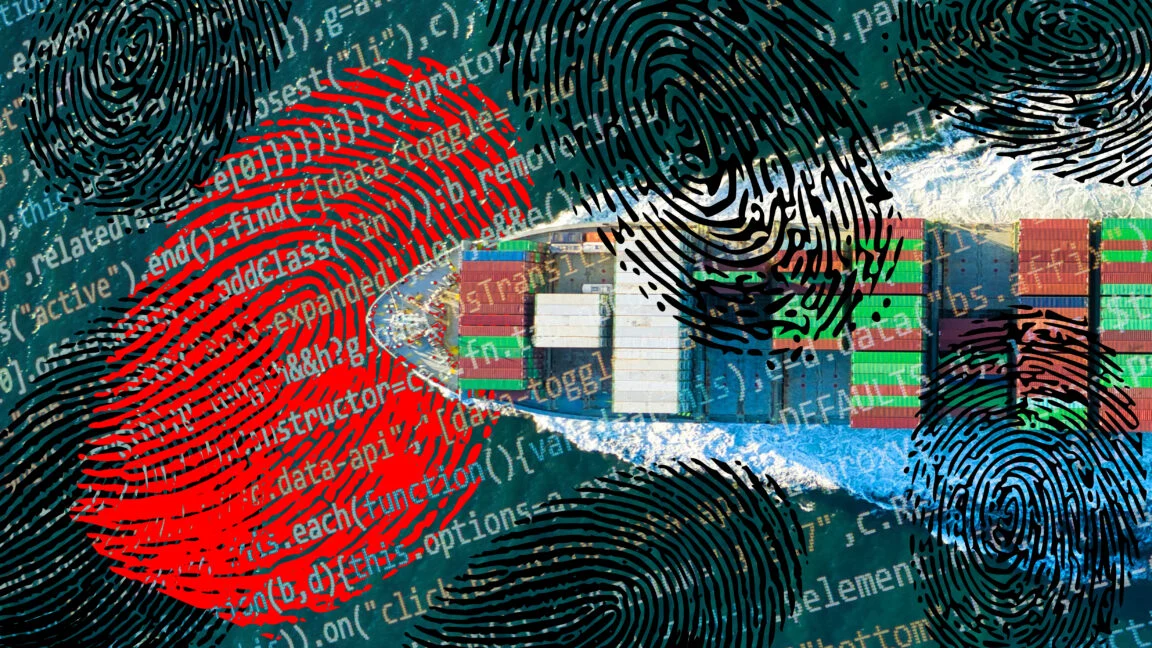
In a sophisticated counter-intelligence operation that has sent shockwaves through the cybersecurity industry, Google’s Threat Intelligence Group successfully embedded an undercover operative within the inner circle of TeamPCP, a prolific hacker collective responsible for one of the most audacious software supply-chain attacks in modern history. The infiltration allowed Google to monitor the group’s movements in real time, preemptively warn victimized organizations, and assist law enforcement in the eventual apprehension of the group’s primary architects.
The revelation, detailed by Google researcher Austin Larsen at the SentinelOne LABScon conference, marks a significant shift in how tech giants approach cyber defense. Rather than merely documenting threats after the damage is done, Google has adopted a proactive, disruption-focused strategy aimed at dismantling criminal infrastructure from the inside.
The Rise and Fall of TeamPCP
TeamPCP emerged on the digital landscape in late 2025, quickly distinguishing itself through a highly disciplined and technical approach to software supply-chain exploitation. Unlike traditional ransomware groups that focus on direct extortion of end-user data, TeamPCP targeted the bedrock of the internet: open-source software. By tainting widely used libraries and development tools, the group established a "cascading" effect, where compromising one repository provided the keys to infiltrate the networks of the companies that utilized that software.
The group’s footprint grew rapidly throughout the spring of 2026. Their victims included high-profile targets such as the open-source security scanner Trivy, the AI-focused API tool LiteLLM, the security firm Checkmarx, and the enterprise AI platform Mistral AI. By hijacking developer credentials during these initial breaches, TeamPCP was able to pivot into the internal environments of GitHub, the data firm Mercor, and sensitive infrastructure at OpenAI and the European Commission.
Central to their operational efficiency was the deployment of a self-spreading, automated worm dubbed "Mini Shai-Hulud." Drawing its name from the iconic giant sandworms of Frank Herbert’s Dune, the malware was designed to identify and exploit vulnerabilities across interconnected networks without manual intervention, allowing the group to scale their attacks with unprecedented speed.
Chronology of the Infiltration
The success of Google’s intervention was rooted in patience and deep-cover engagement. In March 2026, as TeamPCP began its aggressive expansion, a Mandiant analyst—operating under a long-cultivated persona—was invited to join the group’s inner circle. This individual gained entry to the group’s primary command-and-control channel, a private chat server the hackers referred to as "CanisterWorm."
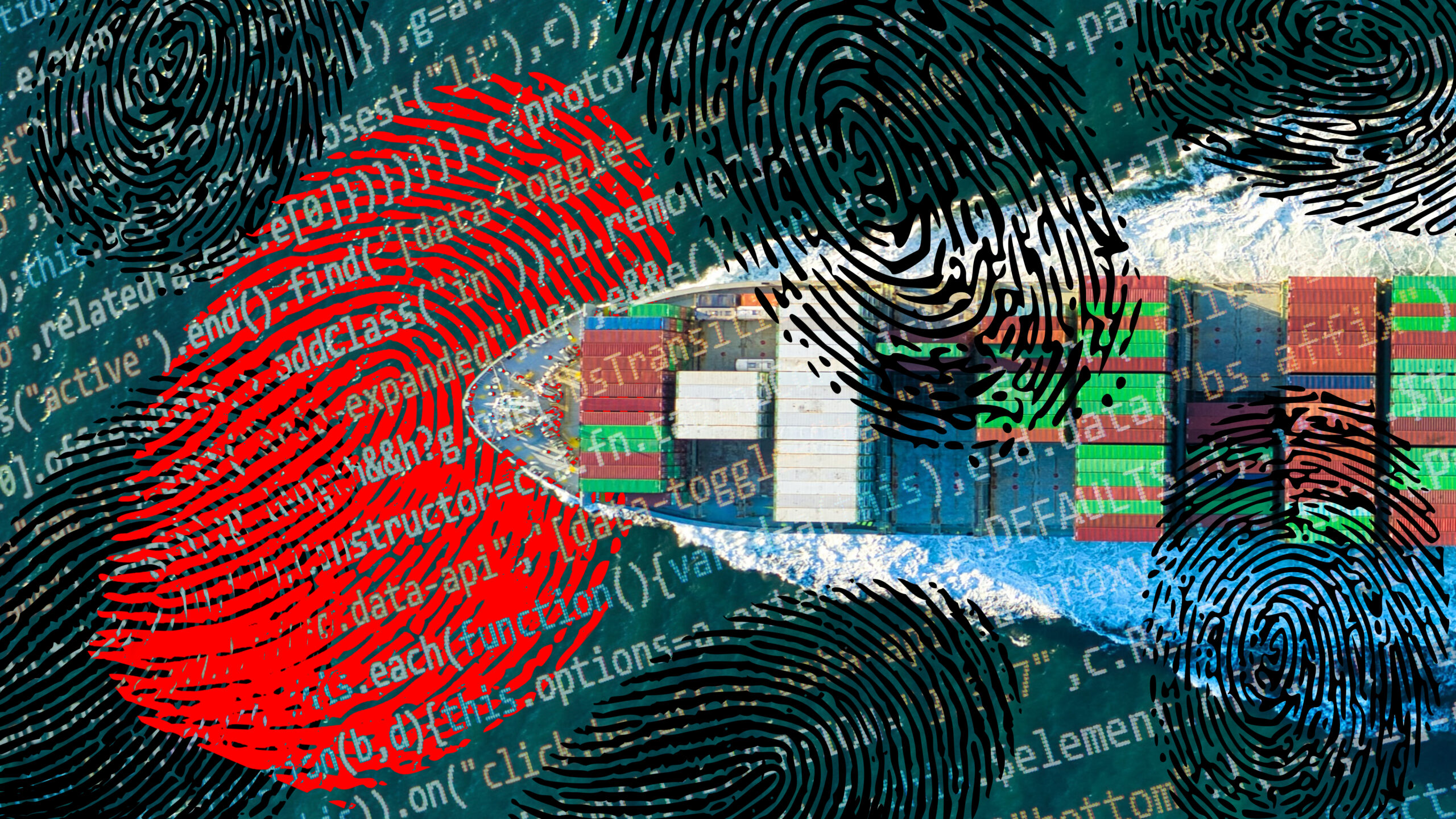
According to internal logs and statements provided by Google, the operative was one of approximately 12 members with access to this core channel. For months, the analyst maintained a "fly-on-the-wall" presence, gathering critical intelligence without ever engaging in, or facilitating, the group’s illegal activities. This access provided Google with a front-row seat to the group’s internal mechanics, including their attempts to monetize stolen credentials and their development of novel, AI-driven exploits.
The operation reached a critical juncture when Google discovered that a core member of TeamPCP was using artificial intelligence to develop a zero-day exploit targeting a ubiquitous login management system. This tool was designed to bypass multi-factor authentication (MFA) protocols. Upon receiving the code, Google’s security team verified its efficacy, patched the underlying vulnerability in the software, and alerted the developer, effectively neutralizing the threat before it could be deployed in the wild.
Internal Betrayal and Operational Blunders
While the Google mole provided a steady stream of intelligence, the downfall of TeamPCP was accelerated by their own poor operational security (OpSec) and internal instability. Desperate to maximize the profit from their massive cache of stolen credentials—which the Australian Federal Police (AFP) estimated to include over 500,000 user records—TeamPCP attempted to partner with other criminal entities.
Among these partners was the notorious group ShinyHunters. The collaboration, however, proved disastrous for TeamPCP. In April 2026, ShinyHunters broke the alliance, using TeamPCP’s stolen data to conduct their own independent extortion campaigns without sharing the proceeds. In an act of spite, ShinyHunters provided unsolicited logs of TeamPCP’s communications to outside researchers, unaware that Google already possessed more complete, real-time access to the group’s internal servers.
This betrayal caused panic within TeamPCP, leading to the exile of several members, including Google’s operative. However, by that time, the damage to the group’s secrecy was absolute. Larsen and his team had already begun piecing together the physical identities of the perpetrators. By cross-referencing activity on the BreachForums hacker site with leaked user data and publicly available payment information, researchers linked the primary handle "sheepstealing" to a PayPal account associated with Ruben Ian Thomson, an Australian national.
The final nail in the coffin came when TeamPCP began backing up their stolen, illicit material to a Google Drive account registered to that same email address. The blatant lack of operational hygiene allowed Google to provide actionable, evidence-based intelligence to the FBI, which triggered the international law enforcement response.
Official Responses and Law Enforcement Cooperation
The investigation culminated in late August 2026, when Australian authorities arrested Ruben Ian Thomson and Louis Michael Gaebler. The operation was a coordinated effort involving the FBI and the AFP, reflecting a growing trend of international cooperation in the fight against transnational cybercrime.

While the FBI declined to comment on the specifics of the investigation, the agency highlighted its new "Cyber Strategy," which emphasizes the importance of public-private partnerships in disrupting adversaries. The arrests serve as a stark reminder to threat actors that even the most technically sophisticated groups are vulnerable to human error and the evolving capabilities of threat intelligence organizations.
Implications for Global Cybersecurity
The TeamPCP saga serves as a bellwether for the future of threat intelligence. The strategy employed by Google—proactively disrupting the adversary’s capability to act rather than merely analyzing the aftermath—represents a fundamental shift in the defensive paradigm.
"Writing reports can only be so useful," Larsen noted in his debrief. "Taking action to protect users and customers—that is the next step."
This incident also highlights the systemic fragility of the modern software supply chain. The fact that a small group of individuals could, within a few months, compromise such a wide array of foundational technologies suggests that the "open-source trust model" is under severe strain. Organizations are increasingly being forced to adopt "zero-trust" architectures, assuming that their dependencies may be compromised at any moment.
Furthermore, the involvement of AI in the creation of zero-day exploits marks a concerning escalation in the arms race between hackers and security researchers. As AI tools become more accessible, the barrier to entry for high-level, sophisticated cyber-attacks continues to drop. The ability of Google to monitor and neutralize these AI-generated threats in real-time may become the gold standard for enterprise security moving forward.
As the legal proceedings against Thomson and Gaebler move forward in Australia, the cybersecurity community is left to reckon with the lessons of the TeamPCP era. The incident underscores that while technology remains the primary battleground, the ultimate advantage belongs to those who can master the intersection of human intelligence, digital forensics, and international legal cooperation. For now, the successful neutralization of TeamPCP serves as a temporary victory in an ongoing and increasingly complex war for the integrity of the global digital infrastructure.