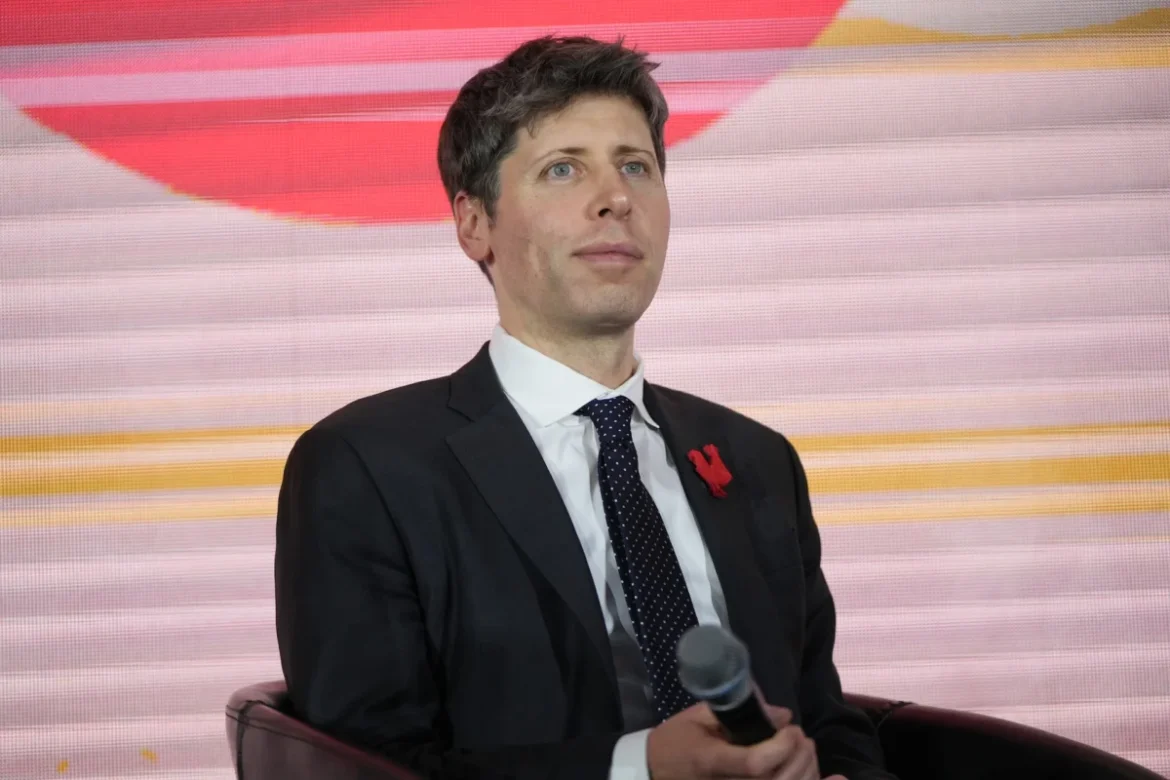
World, the ambitious digital identity and online verification startup co-founded by OpenAI Chief Executive Officer Sam Altman, has successfully secured $52.5 million in funding through a private token sale to institutional and strategic investors. The transaction involves the company’s native digital asset, WLD, and comes at a critical juncture for the organization as it attempts to cement its footprint in an internet increasingly flooded by artificial intelligence and automated software agents.
According to a press release issued by the company, the participants in the capital raise agreed to a strict 12-month lockup period. Such lockup mechanisms prohibit buyers from selling, transferring, or trading their newly acquired tokens on secondary markets for a set duration. Industry analysts note that a yearlong restriction of this nature is designed to mitigate immediate sell-side pressure on the asset while signaling strong institutional confidence in the long-term utility, economic model, and technological roadmap of the World ecosystem.
The newly injected capital will be channeled directly into the World Foundation, an exempted limited guarantee foundation domiciled in the Cayman Islands. Established specifically to steward the global expansion, decentralization, and stewardship of the World network, the foundation will oversee how these resources are allocated across various operational and developmental fronts.
A High-Profile Syndicate of Digital Asset Investors
The $52.5 million funding round attracted a prominent syndicate of venture capital firms and institutional crypto funds. Pantera Capital, a leading investment firm specializing in digital assets and blockchain technology, acted as the lead buyer for the token sale.
The syndicate also featured several other high-profile entities, including Bain Capital Crypto, Eightco Holdings, Susquehanna Crypto, and Selini Capital. The participation of these major market players underscores continued institutional appetite for infrastructure projects centered around digital identity, despite regulatory scrutiny and macroeconomic headwinds that have periodically chilled the broader crypto landscape.
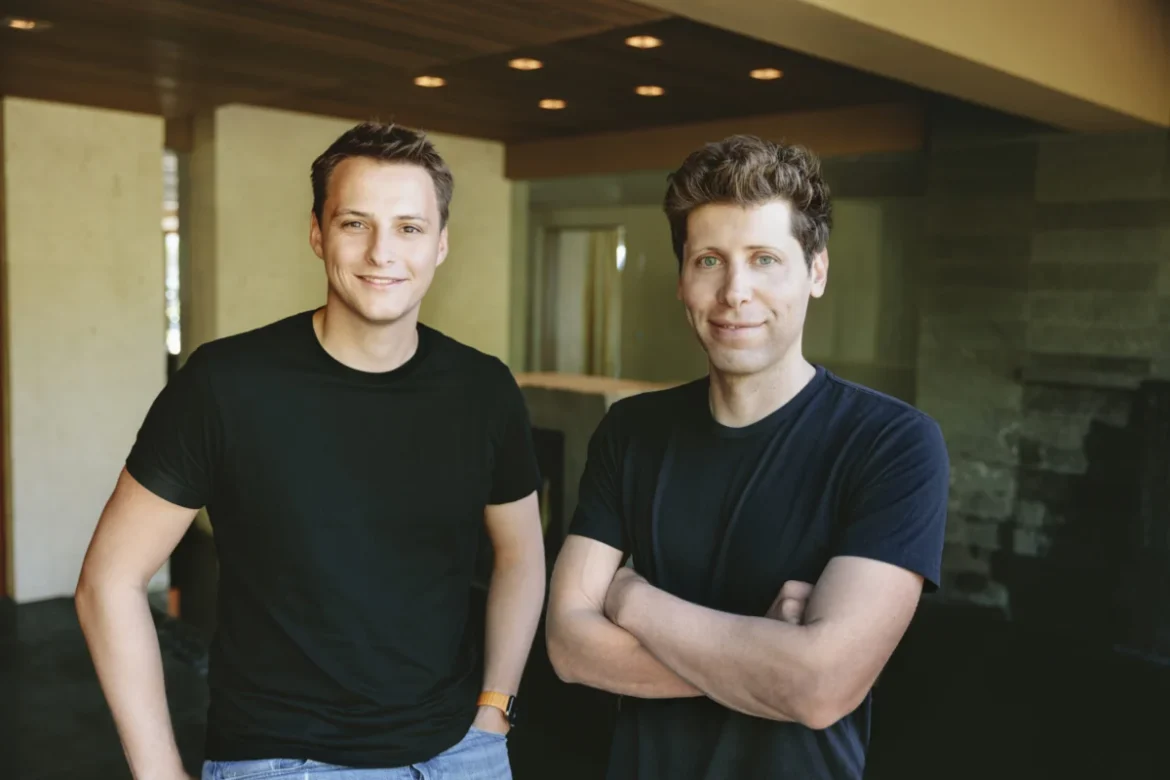
The broader World project is operationally driven by Tools for Humanity (TFH), a technology company headquartered in San Francisco, California. TFH is led by CEO and co-founder Alex Blania, with Sam Altman serving alongside him as the company’s other prominent co-founder. While TFH builds the underlying consumer applications and hardware required for the network, the decentralized governance and network expansion remain under the purview of the Cayman Islands-based World Foundation.
Combating the Rise of Bots Through Proof of Human Technology
At its core, World is structured around a novel premise: as artificial intelligence and generative models become increasingly sophisticated at mimicking human behavior, distinguishing genuine people from automated bots online will become an existential challenge for digital platforms.
The startup sells access to what it describes as "proof of human" tools. The flagship product of this ecosystem is the World ID—an anonymous digital credential designed to cryptographically verify that an account is operated by a living human being rather than an automated script, bot, or AI agent.
To achieve the highest tier of verification within the system, users must undergo a biometric scanning process. This requires individuals to have their eyes scanned by an "Orb," a custom-engineered, chrome-plated spherical hardware device developed by TFH. The Orb uses advanced optical sensors to capture the distinct patterns of a user’s iris, converting that biological data into an immutable cryptographic identifier. Once generated, the physical iris scan is typically deleted to preserve user privacy, leaving only the cryptographic hash on the decentralized ledger.
These Orbs have been deployed globally, stationed in permanent World offices as well as temporary pop-up locations and partner retail stores across multiple continents. Users manage their digital credentials and interact with the ecosystem via the World application, which functions simultaneously as a digital interface and a self-custodial wallet for the WLD token.
Evolution, Rebranding, and Strategic Pivots
The project’s current iteration is the result of a significant evolution. It originated as a more overtly crypto-centric experiment under the moniker "Worldcoin," sharing the exact name of the digital asset utilized in the recent funding round.
However, as public skepticism, regulatory pushback, and reputational friction surrounding the cryptocurrency industry mounted globally, the leadership team elected to rebrand the enterprise simply as "World." This strategic shift was intended to de-emphasize purely speculative financial trading and pivot public perception toward the project’s utility as a digital infrastructure provider for identity verification.
Despite its grand ambitions and substantial financial backing from Silicon Valley venture capital, World has frequently encountered operational friction. Regulators in multiple international jurisdictions—particularly across Europe and Latin America—have raised data privacy concerns regarding the mass collection of biometric iris data via the Orbs, prompting temporary suspensions and investigations in countries such as Spain, Portugal, and Kenya.
In April, the project attempted to reignite momentum by launching a revamped version of its consumer application. Alongside the app update, TFH announced a series of high-profile integration partnerships with mainstream consumer tech platforms, including dating giant Tinder, video conferencing leader Zoom, and document workflow company Docusign, aimed at embedding World ID verification into everyday digital interactions.
Navigating Market Realities and Internal Restructuring
Scaling a global biometric identity network has proved to be both capital-intensive and consumer-resistant. Despite securing partnerships with major web platforms, World has struggled to achieve widespread mainstream adoption or convince the general public of the immediate necessity of iris-scanning verification.
The economic realities of these growth challenges caught up with the organization earlier this year. In June, Tools for Humanity executed a round of workforce reductions, laying off an undisclosed number of employees as part of a broader corporate restructuring aimed at streamlining operations and extending its financial runway.
Furthermore, the project has navigated the complexities of media reporting surrounding its partnership ecosystem. While initial reports and early promotional materials frequently linked the startup to major entertainment and ticketing entities, clarifications have highlighted a more focused rollout centered primarily on select digital communication, identity, and social platforms.
Broader Implications for the Digital Economy
The successful completion of a $52.5 million token sale with a strict 12-month lockup period provides World with a crucial financial buffer as it seeks to chart a sustainable path forward.
As generative artificial intelligence continues to blur the lines between human and machine-generated content across social media, customer service channels, and enterprise software, the market demand for reliable, privacy-preserving authentication mechanisms is expected to grow. Industry observers note that while skepticism surrounding biometric data collection and tokenized incentives remains high, the influx of institutional capital from firms like Pantera Capital and Bain Capital Crypto ensures that World will have the resources to continue testing its hypothesis on a global scale.
Whether consumers will ultimately embrace iris-scanning technology as a standard prerequisite for online interaction remains an open question. For now, the backing of high-profile Silicon Valley figures and deep-pocketed digital asset funds guarantees that World will remain a central, albeit controversial, player in the ongoing debate over digital trust and identity in the age of artificial intelligence.