
The modern agricultural landscape is undergoing a profound transformation, characterized by a shift from mechanical simplicity to complex, software-defined operations. As John Deere, the titan of American agricultural machinery, attempts to navigate the intense public and legal pressure surrounding the Right to Repair movement, the company has rolled out its Operations Center Pro Service. This digital platform aims to bridge the gap between proprietary hardware and the independent repair needs of modern farmers. However, the introduction of this software has not been met with universal acclaim, as stakeholders remain divided on whether these tools represent genuine empowerment or a calculated attempt to maintain corporate control over the machinery that powers the American food supply.
A New Era of Maintenance
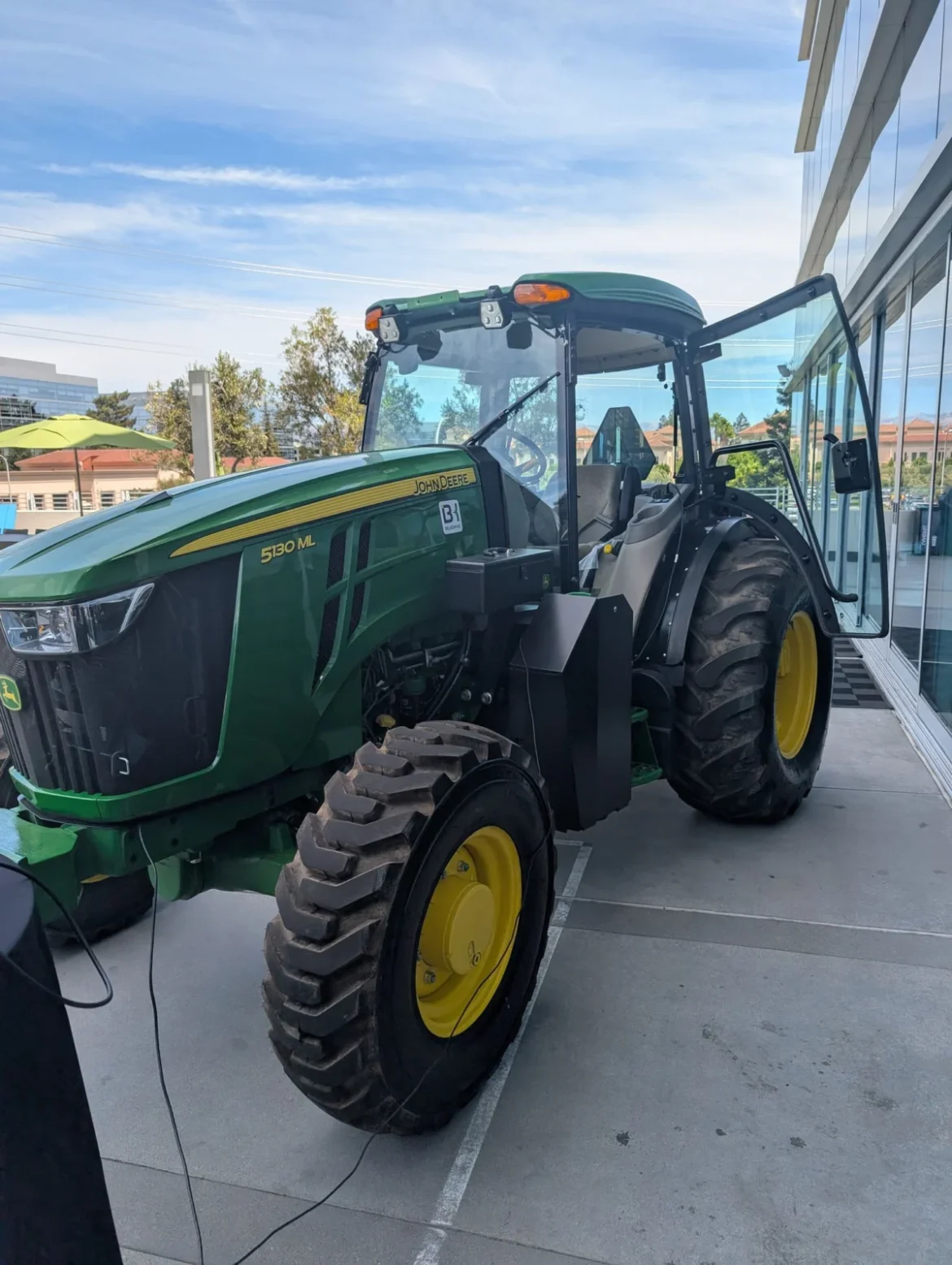
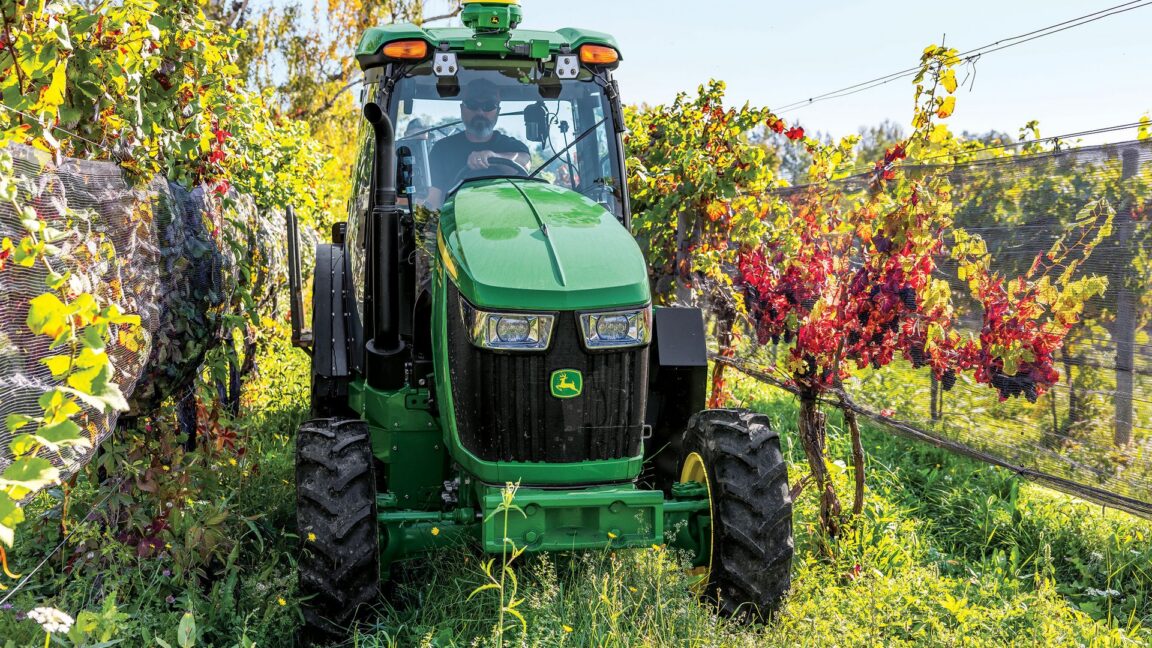
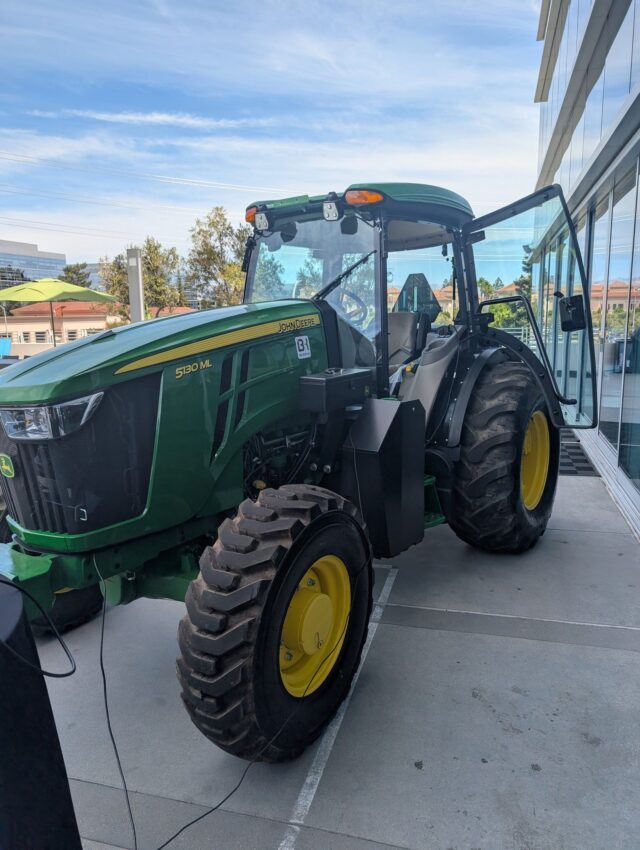
The technological leap in agricultural equipment over the last two decades has been monumental. Tractors are no longer just engines and steel; they are sophisticated data centers on wheels. A modern 5130ML tractor, for example, is integrated with a complex network of controllers, radios, and sensors. These machines often feature 4G connectivity, allowing for real-time telemetry, GPS-guided autonomous pathing, and remote diagnostics. While these advancements significantly boost efficiency and crop yield, they have also created a significant barrier to entry for the traditional mechanic.
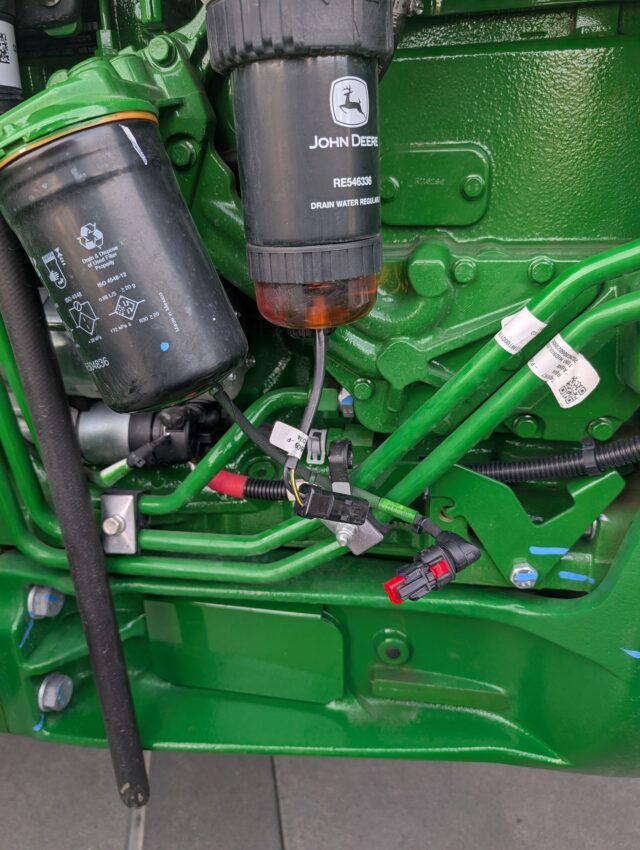
For a non-technician, interacting with these machines requires more than a wrench; it requires a digital handshake. During a demonstration at the company’s Santa Clara, California, offices, the repair process was simplified to a software-led interaction. By connecting a laptop to the machine via the Pro Service platform, the system pulls specific diagnostic data linked to the tractor’s unique serial number. A malfunctioning component—in this instance, a disconnected water-in-fuel (WiF) sensor—triggered an automated notification on the interface. With the software providing specific, manual-driven instructions, the repair was completed within minutes. Yet, this seamless experience belies the underlying tensions that have defined the relationship between John Deere and its customer base for years.
A Chronology of Conflict
The tension between the manufacturer and the farming community did not emerge overnight. It is the result of a decade-long clash over digital ownership.
- 2015–2018: The rise of the Right to Repair movement begins to focus on agriculture, with farmers and activists highlighting the restrictive software locks that prevent independent repairs.
- 2021: The Federal Trade Commission (FTC) begins a broader inquiry into anti-competitive repair restrictions across several industries, including heavy machinery.
- 2023: John Deere signs a memorandum of understanding with the American Farm Bureau Federation, promising to provide farmers with access to diagnostic tools and software manuals.
- 2025: The company launches the Operations Center Pro Service, a subscription-based model designed to centralize maintenance information and parts ordering.
- 2026: Federal lawsuits and class-action settlements—some reaching $99 million—highlight the ongoing dissatisfaction regarding the financial and operational burden placed on farmers who were historically forced to rely solely on authorized dealership technicians.
The Financials of Proprietary Repair
The Pro Service platform operates on a tiered subscription model, reflecting a significant shift in how manufacturers view their after-sales relationship with customers. For individual operators, the cost is set at $195 per machine annually. For larger commercial agricultural operations or independent repair shops that manage diverse fleets, the cost scales significantly, with enterprise-level access starting at $4,995 and specialized agricultural service tiers reaching $5,995 per year.
While John Deere characterizes these costs as necessary investments for maintaining high-tech equipment, critics argue that the subscription-based nature of the service further restricts the farmer’s autonomy. The platform offers features such as offline manual access, historical tracking of software updates, and seamless links to the official parts store. However, for many in the industry, the subscription cost is an added tax on top of equipment that is already among the most expensive capital assets in the agricultural sector.
Official Stance and Internal Logic
Jahmy Hindman, the senior vice president and chief technology officer at John Deere, maintains that the company’s intent has always been to facilitate, not hinder, repairs. "It is owner-friendly," Hindman asserts, emphasizing that as tractors incorporate upwards of 50 individual electronic controllers, the complexity of the systems necessitates a structured, manufacturer-supported diagnostic environment.
The company argues that the Pro Service is the ultimate evolution of the service manual. By integrating artificial intelligence—such as the recently introduced JD AI assistant—Deere intends to simplify the troubleshooting process, effectively acting as an expert digital consultant for the farmer in the field. Kelli Sullivan, a group product manager at the company, highlights that data privacy is a central tenet of this system, with owners maintaining full control over whether they share diagnostic telemetry with the manufacturer or independent third-party shops.
The Skepticism of the Field
Despite the technical capabilities of the Pro Service, adoption remains limited. John Deere reports approximately 1,000 daily users for the service. Given that there are approximately 1.8 million farms in the United States, this adoption rate suggests that the company has yet to win the trust of the broader agricultural community.
Jared Wilson, a Missouri-based farmer and a named plaintiff in the litigation against John Deere, captures the sentiment of many in the field. For Wilson, the software is only useful for basic, predictable maintenance. When complex or multiple simultaneous failures occur, the "decision tree" within the software often fails to provide the depth of access required for a true repair. Wilson and other critics point to the existence of "gray market" software—cracked versions of diagnostic tools that allow farmers to bypass corporate oversight—as evidence that the official tools are still insufficient.
Furthermore, there is a fundamental lack of trust regarding "parity." Critics worry that the version of the software available to the public is stripped of the "deep-level" diagnostic capabilities reserved for dealership technicians. While John Deere insists the software is identical, the lack of transparency in the code base makes this difficult to verify independently.
Broader Implications for the Right to Repair
The struggle over John Deere’s equipment is viewed by many as the vanguard of a much larger battle regarding digital property rights. As everyday items—from appliances to automobiles—become increasingly digitized, the precedent set by agricultural equipment will likely influence legislation for years to come.
Repair advocates argue that if manufacturers can effectively gatekeep the ability to fix a machine through proprietary software, they essentially render the concept of physical ownership obsolete. This, in turn, has massive implications for the sustainability of goods. Tractors are designed to last for decades; if they become "bricked" or unrepairable due to the sunsetting of software support or the refusal of the manufacturer to provide access to diagnostic codes, the environmental and economic cost of obsolescence will be borne entirely by the consumer.
As the legal battles proceed and the regulatory environment continues to tighten, John Deere finds itself at a crossroads. The company claims it is moving the needle toward a more open system, but the success of this transition will not be measured by software demos in a California office. It will be measured by whether the average farmer in the American Midwest feels that they have regained the agency to maintain their own equipment, or whether they remain tethered to an ecosystem that prioritizes the bottom line over the independence of the end-user.
For now, the divide remains wide. While the manufacturer continues to refine its digital offerings, the agricultural community remains, for the most part, unconvinced. The "Pro Service" is a significant step, but for those who believe that ownership should include the right to tinker, it is merely the beginning of a much longer, necessary conversation about the future of technology, accountability, and the fundamental rights of the people who feed the world.
