
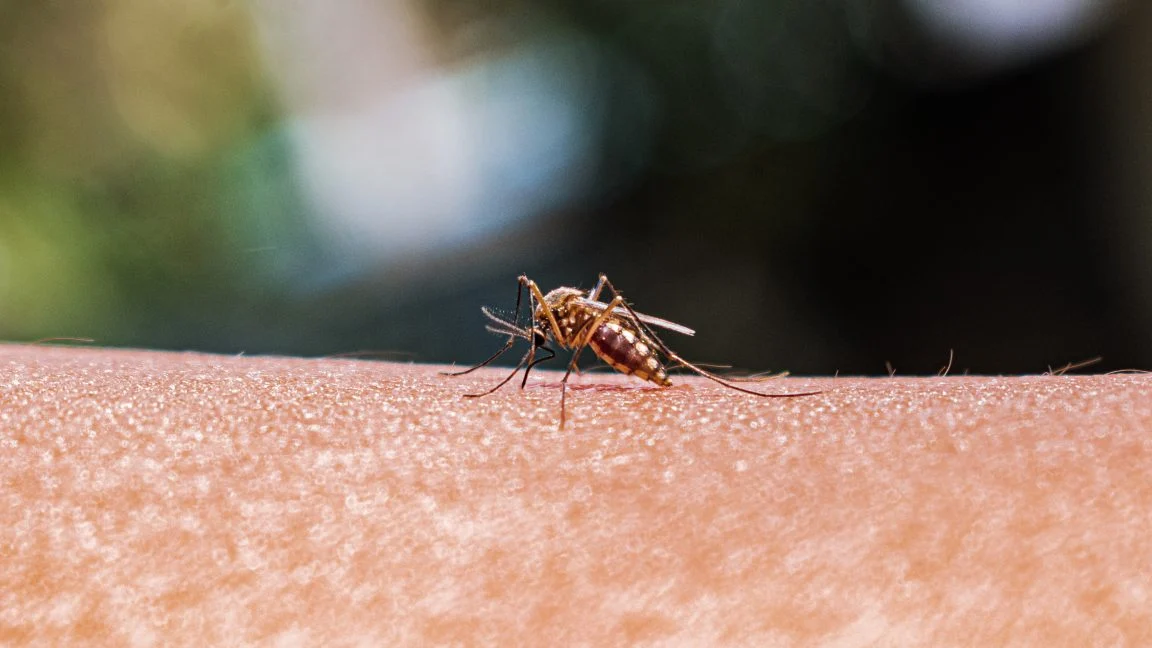
As climate change accelerates and shifting weather patterns alter the ecological landscape of the Northeastern United States, New York faces a growing threat from vector-borne diseases. For decades, the state’s approach to monitoring mosquito populations—the primary carriers of West Nile Virus, Eastern Equine Encephalitis (EEE), and emerging threats like Zika and Dengue—has been characterized by a decentralized, patchwork system. However, a new legislative push and warnings from the scientific community suggest that the current "sparse and disintegrated" model is no longer sufficient to protect public health. The push for a comprehensive, state-wide surveillance program aims to transform New York’s strategy from a reactive one to a proactive defense against invasive species and escalating disease risks.
The Operational Challenges of Mosquito Monitoring
Mosquito surveillance is a complex, labor-intensive process that requires a sophisticated blend of field biology, logistics, and laboratory expertise. At the front lines of this effort are the traps, which are designed to mimic the biological signals that mosquitoes use to find hosts or breeding grounds. There are two primary methods employed by researchers and technicians in the field: gravid traps and carbon dioxide (CO2) traps.
Gravid traps utilize "stinky water"—an infusion of decaying organic material like hay or manure—to attract female mosquitoes that have already fed on blood and are looking for a place to lay their eggs. These traps are essential for testing whether the local mosquito population is carrying pathogens. On the other hand, CO2 traps utilize dry ice or pressurized gas to release carbon dioxide, mimicking the breath of mammals. These traps are used to assess the overall population density and the variety of species present in a specific area.
In rural New York, the logistics of maintaining these traps are daunting. Dry ice, a critical component for CO2 traps, is often difficult to source in remote regions. Researchers, such as those in Dr. Brian Leydet’s lab at the SUNY College of Environmental Science and Forestry (ESF), frequently find themselves having to manufacture their own dry ice using specialized equipment and pressurized tanks. This logistical burden is compounded by the need for a specialized workforce. Once samples are collected, they must be transported to labs where entomologists can identify, sort, and test thousands of individual insects for various viruses.
A Fragmented Landscape: The "Hit or Miss" Reality
The current infrastructure for mosquito monitoring in New York is largely managed at the county level. While some affluent or high-risk counties maintain robust programs, others with fewer resources provide minimal coverage. This creates a "patchwork" effect where data is inconsistent across the state.
Dr. Brian Leydet, an assistant professor and researcher focusing on vector-borne diseases, has highlighted the dangers of this fragmentation. According to Leydet, the lack of centralized coordination means that surveillance is often "hit or miss." Because counties often operate in silos, there is limited communication or data sharing between neighboring jurisdictions. This is particularly problematic because mosquitoes do not respect political boundaries; a population surge or a disease outbreak in one county can easily migrate to another before the second county has even identified a risk.
Leydet’s research indicates that this disintegrated system allows invasive species to fly under the radar. For instance, species like Aedes albopictus (the Asian tiger mosquito), which can carry a variety of tropical diseases, have been gradually expanding their range northward. Without a synchronized state-wide grid of traps, the arrival of such species often goes unnoticed until they are firmly established in a new ecosystem.
Legislative Intervention: Bill S10393
In response to these systemic vulnerabilities, a new bill has been introduced in the New York State Legislature—Senate Bill S10393. The legislation seeks to lay the groundwork for a modernized, comprehensive mosquito surveillance program. The bill’s proponents argue that the current "sparse and disintegrated" system leaves New York residents vulnerable to preventable outbreaks.
The proposed legislation aims to:
- Centralize Data Collection: Establish a state-level repository for all mosquito surveillance data to ensure that public health officials have a real-time "heat map" of mosquito activity and disease prevalence.
- Standardize Protocols: Create uniform guidelines for how and when trapping should occur, ensuring that data from a rural northern county is comparable to data from a suburban downstate county.
- Provide Stable Funding: Create a dedicated funding stream to prevent programs from "fading away" during years when disease activity appears low, which often leads to a loss of institutional knowledge and equipment.
- Enhance Early Warning Systems: Enable the state to issue public health alerts and implement mitigation strategies weeks before a potential outbreak reaches a crisis point.
The Economic and Public Health Rationale for Prevention
The debate over Bill S10393 often centers on the cost of implementation. Establishing and maintaining a state-wide surveillance network is an expensive endeavor, requiring significant investment in technology, transport, and skilled labor. However, public health experts argue that the cost of prevention is a fraction of the cost of an active outbreak.
"If we don’t have these surveillance programs, then all we’re doing is responding to a problem when it’s already a problem," Leydet warned. "That’s never how prevention works."
When a mosquito-borne disease like Eastern Equine Encephalitis (EEE) is detected in humans, the response is often drastic and costly. It may involve emergency aerial pesticide spraying over thousands of acres, which carries its own environmental and financial burdens. Furthermore, the medical costs associated with treating rare but severe mosquito-borne illnesses are staggering. For example, survivors of EEE often require lifelong medical care due to permanent neurological damage, with costs per case reaching into the millions of dollars.
Proactive measures enabled by better surveillance are significantly more cost-effective. These include:
- Targeted Larviciding: Applying biological or chemical agents to standing water to kill mosquito larvae before they reach adulthood.
- Public Education: Warning specific high-risk communities to use insect repellent, wear long sleeves, and eliminate standing water on their properties.
- Source Reduction: Coordinating with public works departments to drain stagnant pools or improve drainage in areas identified as breeding "hotspots."
Climate Change as a Catalyst for Change
The urgency of the legislative push is underscored by the shifting climate. The Northeastern United States is experiencing shorter, milder winters and longer, more humid summers. These conditions are ideal for mosquito reproduction and extend the "window" of time during which diseases can be transmitted to humans.
Data from the last two decades shows a clear trend: the range of the West Nile Virus has expanded, and the frequency of EEE detections in the Northeast has become more unpredictable. Furthermore, as global travel and trade continue, the risk of introducing "exotic" mosquitoes that carry Dengue, Chikungunya, or Zika increases. Without a robust surveillance network, New York remains "blind" to the arrival of these new threats.
The "One Health" approach—a framework that recognizes the interconnection between people, animals, and their shared environment—is increasingly being cited by New York policymakers. By monitoring the environment (the mosquitoes) and the animal reservoirs (often birds or small mammals), health officials can predict human risk with much higher accuracy.
The Road Ahead for New York
While there is general interest in the goals of Bill S10393, the path to implementation remains challenging. In a state as large and geographically diverse as New York, coordination between the urban centers of New York City and the sprawling rural landscapes of the Adirondacks and the Southern Tier requires a massive administrative effort.
Furthermore, the "interest" in such programs often fluctuates with the news cycle. When a high-profile case of West Nile Virus makes headlines, support for funding surges. When a few years pass without a major incident, the programs are often among the first to face budget cuts. Leydet notes that when officials see the price tag for a truly comprehensive program, they often hesitate.
However, the scientific consensus is clear: the "wait and see" approach is a gamble with public health. As invasive species move north and climate patterns become more volatile, the need for a centralized, well-funded, and scientifically rigorous surveillance system becomes a matter of necessity rather than a luxury.
The introduction of Bill S10393 represents a critical first step in acknowledging that New York’s current system is outdated. Whether the state will commit the necessary resources to bridge the gap between "sparse and disintegrated" and "comprehensive and proactive" remains to be seen. As Dr. Leydet concluded, while centralization is a massive undertaking, "any help is better than nothing" when it comes to preventing the next major outbreak.
The success of this legislative effort will likely determine how well New York can weather the biological challenges of the 21st century, ensuring that public health officials are not merely reacting to crises, but are standing ready to prevent them.

