
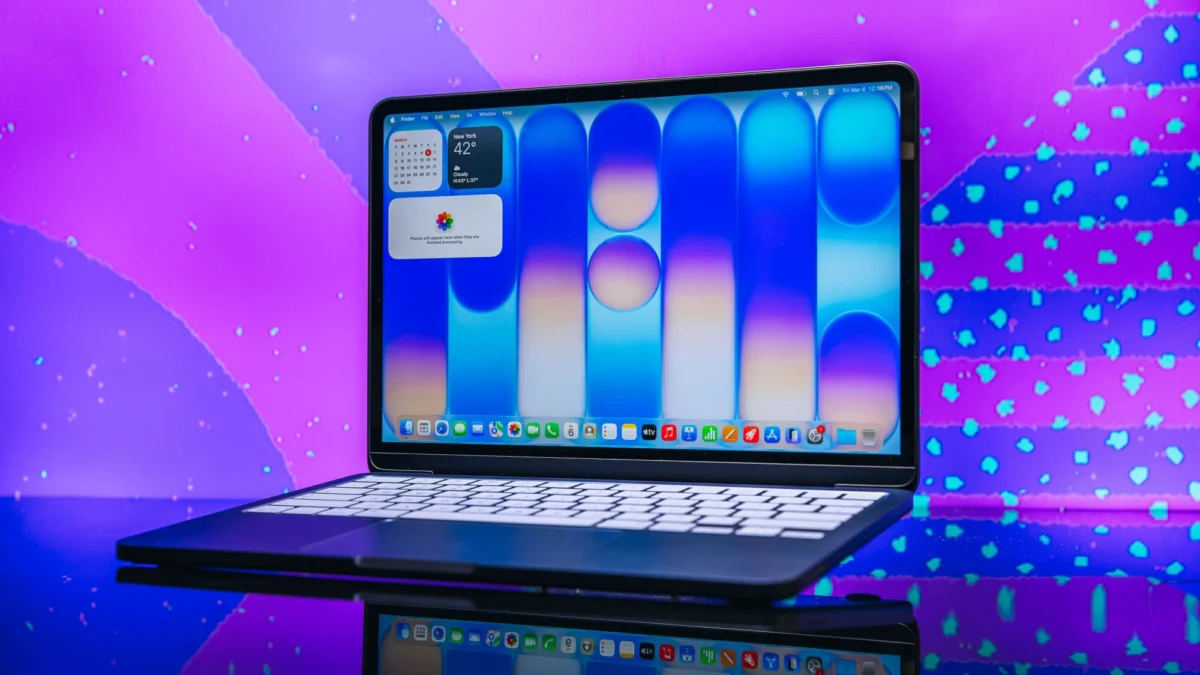
Apple is reportedly orchestrating a multi-year overhaul of its personal computing portfolio, signaling a significant shift in hardware strategy that spans from entry-level consumer devices to high-end professional workstations. While much of the public discourse surrounding the Cupertino-based tech giant remains focused on the impending iPhone 18 and the company’s first foray into foldable smartphones, internal developments suggest that the Mac ecosystem is poised for its most transformative period since the transition to Apple Silicon began in 2020. According to a detailed report from Mark Gurman at Bloomberg, Apple is currently developing refreshes for nearly every computer in its lineup, integrating advanced OLED displays, touchscreen capabilities, and next-generation M6 processors.
This strategic roadmap comes at a pivotal time for the company. After a period of explosive growth during the shift to remote work, the global PC market has stabilized, forcing manufacturers to innovate more aggressively to maintain replacement cycles. Apple’s response appears to be a two-pronged approach: strengthening its budget-friendly "Neo" category while simultaneously breaking long-standing design taboos, such as the introduction of a touchscreen MacBook Pro.
The Evolution of the MacBook Neo: Balancing Power and Price
The MacBook Neo has emerged as a cornerstone of Apple’s strategy to capture the entry-level and education markets. Originally launched as a budget-conscious alternative to the MacBook Air, the Neo exceeded internal sales projections, initially selling out at launch and establishing itself as a formidable competitor to mid-range Windows laptops. The device’s success was largely attributed to its balance of "good enough" performance and a price point that felt accessible to students and casual users.
According to recent supply chain reports, the next-generation MacBook Neo is already deep in development. The upcoming iteration is expected to see a significant internal upgrade, moving from its current architecture to the A19 Pro chip. This move is notable because it leverages the high-performance silicon typically reserved for flagship iPhones, optimized for a laptop form factor. This allows Apple to maintain high margins while providing a performance ceiling that exceeds traditional budget laptops.
Furthermore, the new Neo will address one of the primary criticisms of the current model by offering expanded memory configurations. In an era where web browsers and basic productivity apps are increasingly memory-intensive, the move beyond base-level RAM is seen as a necessity. To maintain its appeal to younger demographics, Apple also plans to introduce a refreshed palette of color options, building on the "splashy" marketing that defined the first generation.
However, the MacBook Neo faces a significant challenge in the form of pricing. While it launched at a disruptive $599—and dropped as low as $499 with education discounts—recent economic pressures have pushed the starting price to $699. Analysts suggest that the inclusion of the A19 Pro and increased memory is an attempt to justify this $100 increase. There is speculation that when the new model arrives, Apple may keep the original Neo in the lineup at a discounted rate to maintain its presence in the sub-$500 market.
Breaking the Touchscreen Barrier: The OLED MacBook Pro
For over a decade, Apple executives, including the late Steve Jobs, dismissed the idea of a touchscreen Mac, arguing that "vertical touch surfaces don’t work" due to ergonomic concerns. However, the boundary between iPadOS and macOS has continued to blur, and according to the latest reports, the company is finally ready to embrace touch on the MacBook Pro.

This new flagship model, rumored for an October 2026 release, is expected to be more than just a MacBook with a touch-sensitive layer. It will reportedly mark Apple’s transition to OLED (Organic Light Emitting Diode) technology for its premium laptops. OLED screens offer superior contrast ratios, deeper blacks, and better energy efficiency compared to the current mini-LED displays. The integration of touch functionality is expected to coincide with the release of a specialized version of macOS, internally referred to as "Golden Gate," which may feature UI elements designed for better finger-target precision.
The timeline for this transition is ambitious. While the initial M5 Pro-powered touchscreen models are targeted for late 2026, more advanced iterations are already being planned for 2027 and 2028. These future models will likely focus on thinning the chassis further, a feat made possible by the lack of a traditional backlight requirement in OLED panels.
The M6 Chipset and the Redesign of the MacBook Air
While the MacBook Pro pushes the boundaries of display technology, the MacBook Air—Apple’s most popular laptop—is slated for its first major aesthetic redesign in over four years. Since the introduction of the M2-style chassis, the Air has remained largely static in its appearance. The upcoming refresh is expected to focus on an even thinner profile and potentially the introduction of new thermal management solutions to accommodate the M6 chipset.
The M6 chip represents a critical milestone in Apple’s silicon roadmap. While the M4 and M5 series focus on incremental gains in neural engine performance for AI tasks, the M6 is rumored to be built on a more advanced 2-nanometer process. This would provide a substantial leap in both performance per watt and overall transistor density.
In addition to the Air, a "low-end" entry-level MacBook Pro is also reportedly in development using the base M6 chip. This device is intended to bridge the gap between the consumer-focused Air and the high-end Pro models, offering the "Pro" branding and port selection at a more palatable price point for creative professionals on a budget.
Desktop Dominance: Mac Mini, Mac Studio, and the AI Imperative
The resurgence of interest in Apple’s desktop lineup—the Mac Mini and Mac Studio—has been driven largely by the rise of "agentic AI." Unlike traditional generative AI, which responds to prompts, agentic AI systems are designed to perform complex multi-step tasks autonomously. These systems require significant local processing power and, more importantly, vast amounts of unified memory.
Apple is reportedly testing new Mac Mini models powered by both the M5 Pro and the upcoming M6. The goal is to position the Mac Mini as the premier "AI node" for developers and small businesses. Similarly, the Mac Studio will continue to serve as the high-water mark for Apple’s desktop performance, with refreshes planned to incorporate the "Ultra" variants of the M5 and M6 chips.
However, these ambitions are being tempered by what industry insiders are calling "Ramageddon"—a global memory crisis. The surge in AI server demand has diverted the production of high-bandwidth memory, leading to shortages and price spikes in the consumer sector. Supply chain experts have warned that this crisis will likely intensify throughout 2026, which could lead to significantly higher prices for the next generation of Mac desktops and high-end laptops.

Chronology of Anticipated Releases
The projected timeline for Apple’s hardware rollout suggests a staggered strategy designed to maintain consumer interest over several fiscal quarters:
- Late 2025: Launch of the M5-series MacBook Pro (non-touch) and initial refreshes to the iMac line.
- Early 2026: Introduction of the updated MacBook Neo with the A19 Pro chip and new colorways.
- October 2026: The debut of the Touchscreen MacBook Pro with OLED display and M5 Pro silicon.
- Early 2027: Major redesign of the MacBook Air featuring the M6 chip.
- Late 2027 / Early 2028: Expansion of the M6 architecture to the Mac Studio and Mac Pro, alongside second-generation touchscreen laptops.
Market Implications and Industry Reaction
Industry analysts view this aggressive roadmap as a necessary evolution. The competition in the laptop space has intensified with the arrival of Qualcomm’s Snapdragon X Elite chips, which have challenged Apple’s lead in battery life and efficiency for the first time in years. By introducing touchscreens and OLED displays, Apple is moving to neutralize the hardware advantages long held by high-end Windows ultrabooks.
From a software perspective, the move to touch-enabled Macs suggests a deeper integration with the iPad ecosystem. Developers may soon be able to create "universal" apps that run with native touch support across iPhone, iPad, and Mac without the current compromises of Catalyst or screen-mirroring solutions.
However, the "intimidating prices" mentioned in supply chain reports remain a point of concern. If the memory crisis persists, Apple may find itself in a position where its most innovative products are priced out of the reach of the average consumer, potentially slowing the adoption of its new AI-centric features.
Conclusion: A New Era for the Mac
The reported plans for the Mac lineup represent more than just a hardware refresh; they represent a fundamental shift in Apple’s philosophy. By embracing touchscreens, accelerating chip development to the M6 generation, and leaning into the AI-driven demand for high-performance desktops, Apple is signaling that the Mac remains central to its long-term vision.
As the company moves toward the 2026-2027 window, the success of these devices will likely depend on how well Apple manages the delicate balance between cutting-edge innovation and the economic realities of a strained global supply chain. For consumers, the message is clear: the next few years will see the most radical changes to the Mac experience in a generation.

