
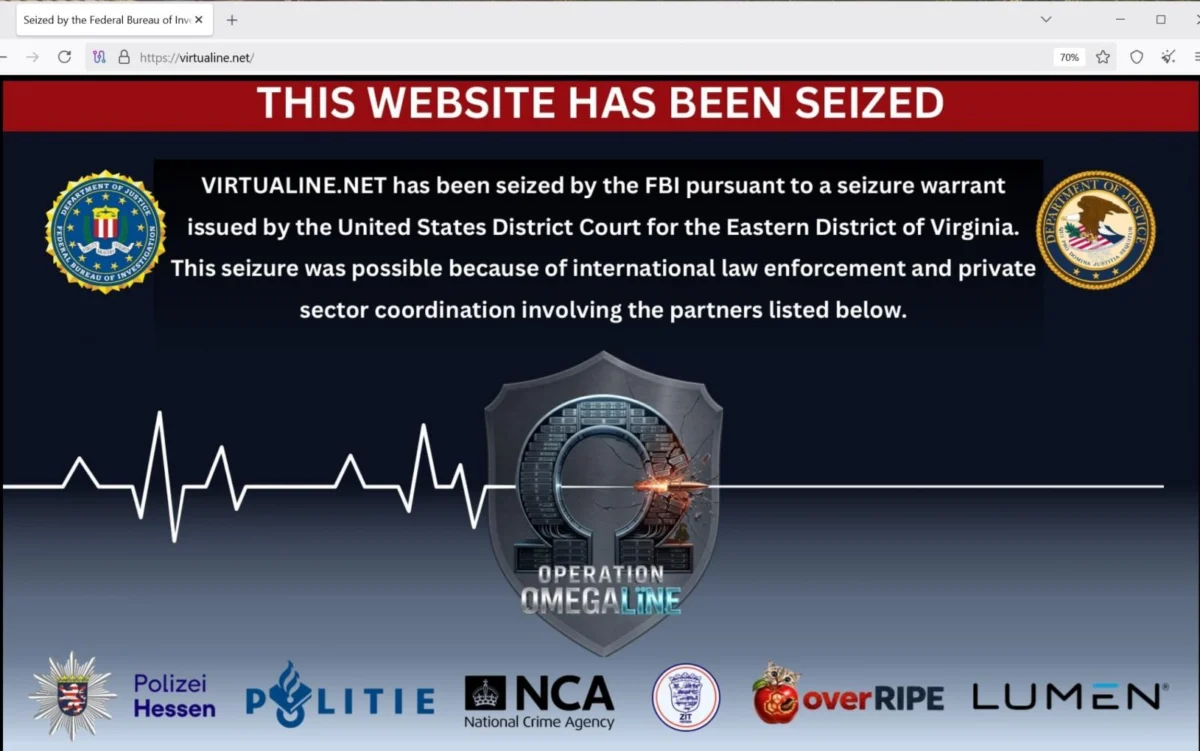
Global law enforcement agencies, spearheaded by the United States Department of Justice and the Federal Bureau of Investigation, have successfully dismantled the primary domain of Virtualine, a prominent and elusive bulletproof hosting service heavily relied upon by international cybercrime syndicates. Operating under a shifting portfolio of aliases that included Secury, Massgod, Spamhouse, Lanedo, and Omegatech, Virtualine built a lucrative business model explicitly engineered to shield malicious actors from law enforcement inquiries, legal takedown notices, and regulatory oversight.
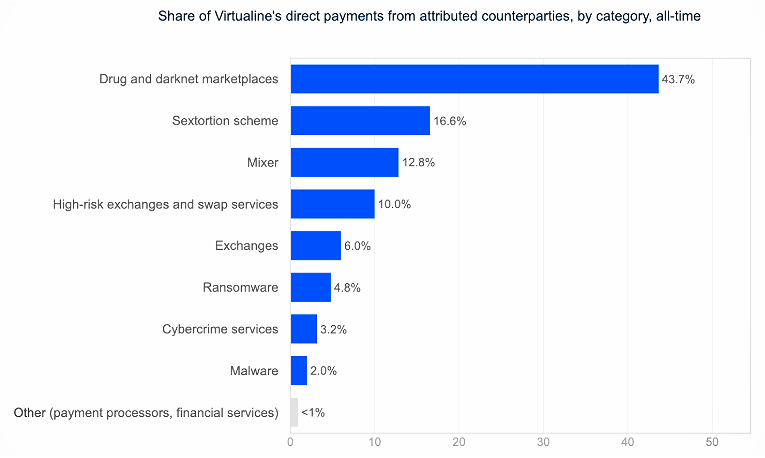
The coordinated international operation, which paralyzed a vital pillar of the global cybercriminal underground, involved close collaboration between the FBI, Germany’s Polizei Hessen, the Netherlands’ Politie Midden-Nederland, and the United Kingdom’s National Crime Agency (NCA). Technical and intelligence support was provided by private cybersecurity and blockchain analytics heavyweights, including Chainalysis, TRM Labs, Silent Push, OverRIPE, and Lumen. While the primary domain, virtualine.net, was seized and replaced with an official law enforcement warrant banner, the sweeping operation extended far beyond a simple domain takedown, resulting in physical server seizures and the exposure of thousands of international cybercriminal accounts.
The Anatomy of a Bulletproof Hosting Titan
Bulletproof hosting providers occupy a foundational, yet intensely damaging, niche within the modern cybercrime ecosystem. Unlike standard web hosting companies that maintain strict abuse desks, cooperate swiftly with law enforcement, and suspend accounts tied to illegal activities, bulletproof hosts deliberately ignore or actively obstruct abuse complaints. Virtualine took this operational philosophy to an extreme, marketing its services openly on dark web forums and underground cybercrime platforms as a sanctuary for illicit digital operations.
According to indictments and investigative disclosures from the U.S. Department of Justice, Virtualine aggressively marketed its infrastructure to facilitate black-hat activities. These included large-scale phishing campaigns, malicious spam distribution, automated port scanning, and carding operations. By offering robust guarantees against legal complaints and regulatory subpoenas, the service attracted a diverse clientele of high-profile threat actors, ranging from financially motivated ransomware affiliates to state-sponsored infostealer networks and underground drug marketplaces.
Operating continuously since at least 2022, Virtualine evolved into a resilient infrastructure backbone. The platform utilized complex routing techniques and unhosted wallet cryptocurrency transactions to obscure the digital footprints of its clientele. Investigators noted that the service maintained operations across multiple jurisdictions, making traditional domestic law enforcement interventions nearly impossible without cross-border cooperation.
A Chronology of Investigation and International Action
The takedown of Virtualine was not an overnight development, but rather the culmination of years of meticulous intelligence gathering, financial tracing, and cross-border cooperation among specialized cybercrime units.
The timeline of Virtualine’s rise and fall highlights the escalating sophistication of global law enforcement coalitions:
- 2022: Virtualine initiates operations, rapidly expanding its network infrastructure and establishing a presence on various Russian-language and English-speaking cybercrime forums. It begins operating under multiple aliases, including Secury and Massgod, offering absolute anonymity and immunity from takedown requests.
- 2023–2024: The platform scales its operations, integrating direct cryptocurrency payment processing through unhosted wallets to facilitate money laundering for prominent ransomware groups and illicit darknet vendors. During this period, security researchers observe increasing traffic from infostealers such as StealC routing through Virtualine infrastructure.
- Late 2024–2025: Law enforcement agencies across the U.S., Germany, the Netherlands, and the U.K. form a joint investigative task force. Intelligence sharing uncovers links between Virtualine’s infrastructure and severe cyber offenses, including major extortion schemes and the hosting of forums promoting illicit material. Private sector partners like Chainalysis, TRM Labs, and Silent Push begin mapping the financial flows and server footprints of the bulletproof host.
- October 2026: The operation reaches its climax. The FBI seizes the primary domain virtualine.net, while Dutch authorities raid physical server locations in Limburg, taking hundreds of virtual servers offline. Concurrently, cybersecurity firms publish deep-dive analyses detailing the financial dependency of the cybercrime underworld on Virtualine’s infrastructure.
Financial Flows and the Cryptocurrency Nexus
One of the most critical breakthroughs in the Virtualine investigation came from detailed blockchain analytics provided by firms such as Chainalysis and TRM Labs. Because bulletproof hosting services frequently struggle to maintain traditional banking relationships due to regulatory compliance and Know-Your-Customer (KYC) laws, Virtualine relied heavily on cryptocurrency to monetize its illicit operations.
Chainalysis revealed that Virtualine accepted direct Bitcoin payments via unhosted wallet addresses. This structural choice allowed criminal clients to bypass centralized exchange compliance programs and anti-money laundering (AML) controls. Once funds were deposited, Virtualine allegedly engaged in layered transactions to launder the proceeds, effectively cleansing money stolen through ransomware attacks, business email compromise (BEC), and financial scams.
Data published by TRM Labs illuminated the precise distribution of Virtualine’s financial inflows, painting a vivid picture of its customer base:
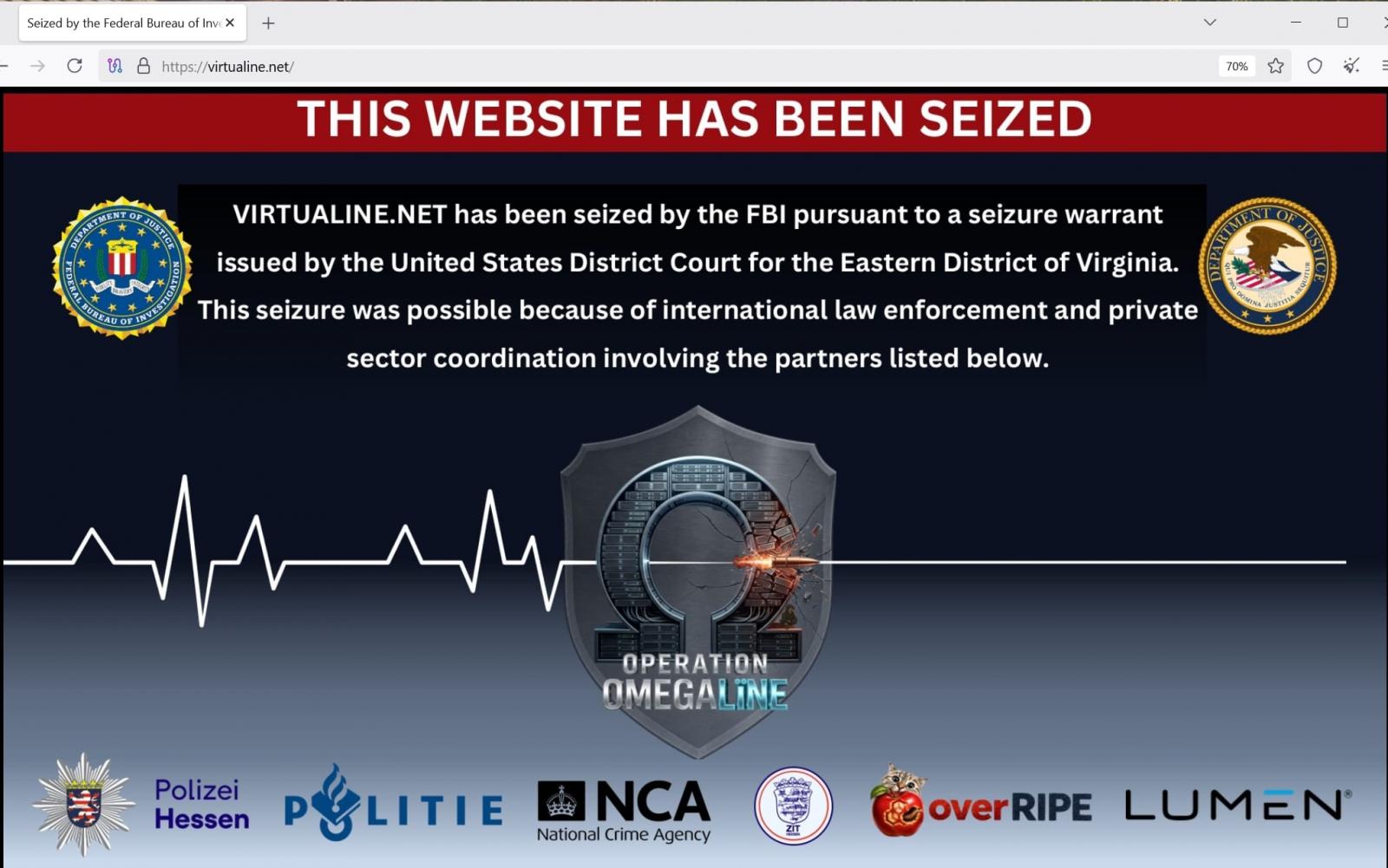
- Russian Drug Marketplaces: Represented the single largest source of funding, accounting for approximately 44% of Virtualine’s illicit financial volume.
- Ransomware Operators: Contributed roughly 5% of the platform’s direct financial flows, underscoring the symbiotic relationship between bulletproof hosting and modern ransomware-as-a-service (RaaS) enterprises.
- Infostealers and Botnets: Infrastructure associated with malware strains like the StealC infostealer maintained a constant financial relationship with the host throughout the year.
- Sextortion and Mixers: Large-scale sextortion schemes and cryptocurrency mixing services rounded out the primary sources of capital that sustained Virtualine’s operational overhead.
The Controversy Over Child Abuse Material and the Operator’s Response
While digital crime syndicates routinely utilize bulletproof hosts for financial and espionage motives, Virtualine faced severe allegations regarding the hosting of abhorrent material. According to international authorities, the platform knowingly hosted an online forum promoting child abuse material, repeatedly ignoring warning notices issued by law enforcement bodies, the National Center for Missing and Exploited Children (NCMEC), and legal representatives of victims.
Investigators alleged that as legal and public pressure surrounding the forum intensified, Virtualine management actively assisted the forum administrators in migrating to a new web address to evade detection. The U.S. Department of Justice noted that this successor site continued to receive abuse complaints regarding sexually explicit images of children.
In response to the severe allegations and the domain seizure, the anonymous operator of Virtualine published an open letter on a newly erected domain, virtualine.org, which was swiftly cataloged by cybersecurity researchers at Silent Push. In the statement, the operator contested certain government characterizations, asserting that while claims regarding general cybercrime activities warranted a fair investigation, they personally viewed the "sexual exploitation of children as a crime against humanity." Despite these denials, the public posture of the operators did little to stem the legal onslaught.
Physical Raids and the Seizure of Customer Data
The digital domain seizure executed by the FBI was mirrored by kinetic, on-the-ground law enforcement actions in Europe. In the Netherlands, Politie Midden-Nederland confirmed the execution of coordinated raids in the province of Limburg.
During these raids, authorities seized dozens of physical servers that anchored Virtualine’s vast network. This physical intervention immediately took hundreds of virtual private servers (VPS) offline, rendering a substantial portion of the provider’s active network unreachable. Security researchers observing network routing tables noted that Virtualine’s network prefixes plummeted in global routing visibility immediately following the raids, signaling a catastrophic collapse of its technical footprint.
Crucially, the Dutch police announced that investigators successfully extracted and secured data from more than 3,000 Virtualine customers. This massive trove of digital evidence—including server logs, customer communications, configuration files, and financial records—has initiated a secondary wave of legal actions. Law enforcement agencies across multiple jurisdictions are now combing through the data to identify, locate, and prosecute the individual threat actors who leased infrastructure from Virtualine to wage cyberattacks.
Broader Industry Implications and the Future of Bulletproof Hosting
The coordinated takedown of Virtualine marks a watershed moment in the ongoing asymmetric warfare between international law enforcement and the infrastructure enablers of the cybercrime economy. For years, bulletproof hosting providers operated with a high degree of impunity, exploiting jurisdictional gaps, uncooperative foreign governments, and the anonymity afforded by decentralized digital currencies.
By successfully bridging the gap between traditional federal law enforcement, specialized European cyber units, blockchain analytics firms, and private threat intelligence companies, the Virtualine operation demonstrates a maturing, highly effective blueprint for dismantling cybercrime at its structural roots.
Industry analysts emphasize that disrupting a major bulletproof host creates a cascading disruption effect across the threat landscape. When a reliable provider vanishes overnight, threat actors are forced to migrate their infrastructure, often making critical operational security mistakes in the process. Furthermore, the seizure of thousands of customer records ensures that the individuals who leased Virtualine’s servers will face targeted disruptions, asset freezes, and criminal indictments for months and years to come.
Nevertheless, cybersecurity experts caution that the eradication of bulletproof hosting remains an iterative challenge. As long as high-yield cybercrime operations such as ransomware, large-scale phishing, and illicit marketplaces generate billions of dollars in illicit revenue, entrepreneurial threat actors will continue to establish underground hosting entities in uncooperative territories. However, the resounding success of the Virtualine operation sends an unmistakable message to the enablers of cybercrime: no matter how many aliases are adopted or how deeply unhosted wallets attempt to conceal financial trails, the international law enforcement community possesses the tools, the partnerships, and the resolve to pierce the veil of bulletproof infrastructure.

