
For years, the corporate calendar of the global financial services industry was anchored by a predictable rhythm: January, May, and September. These intervals served as the traditional administrative checkpoints for banking leadership to recalibrate workforce expectations, specifically regarding physical office attendance. In the era preceding the COVID-19 pandemic, these periods were mere routine. However, in the post-pandemic landscape, these seasonal markers have transformed into high-stakes battlegrounds where executive mandates clash with the newfound preferences of a distributed workforce.
While the post-Labor Day push was once the industry standard for tightening attendance policies, the past several years have seen an evolution in strategy. Banks have moved from subtle “reminders” to formal, often rigid, “letters of education” designed to signal that the period of workplace flexibility is nearing its conclusion. Yet, as the industry matures in its approach to hybrid work, a paradoxical trend has emerged: while some institutions double down on strict, five-day mandates, others are beginning to display a surprising level of rhetorical restraint.
A Fragmented Regulatory and Corporate Environment
The current landscape of Return-to-Office (RTO) policies is remarkably heterogeneous. Major financial institutions have taken divergent paths to solve the same perceived problem: how to balance productivity, culture, and operational efficiency with employee retention.
In the last twelve months alone, the spectrum of requirements has widened. TD Bank set a benchmark for heightened expectations by requiring employees to report to the office four days a week. Meanwhile, institutions such as Truist and PNC have moved toward a full, five-day mandate, effectively signaling a return to the pre-2020 status quo. Bank of America has adopted a more granular approach, restricting the specific days employees are permitted to work remotely to ensure that teams remain present in the office simultaneously.
Conversely, some industry leaders have adopted a more nuanced stance. Goldman Sachs CEO David Solomon, long viewed as one of the most vocal proponents of returning to the office, recently offered a more flexible outlook. By stating that the bank does not adhere to a rigid, hard-and-fast five-day rule—famously remarking, “We don’t have a policy. We work”—Solomon signaled that for some firms, the focus has shifted from counting desk-hours to assessing output and collaborative impact.
The Barclays Resistance: A Case Study in Labor Relations
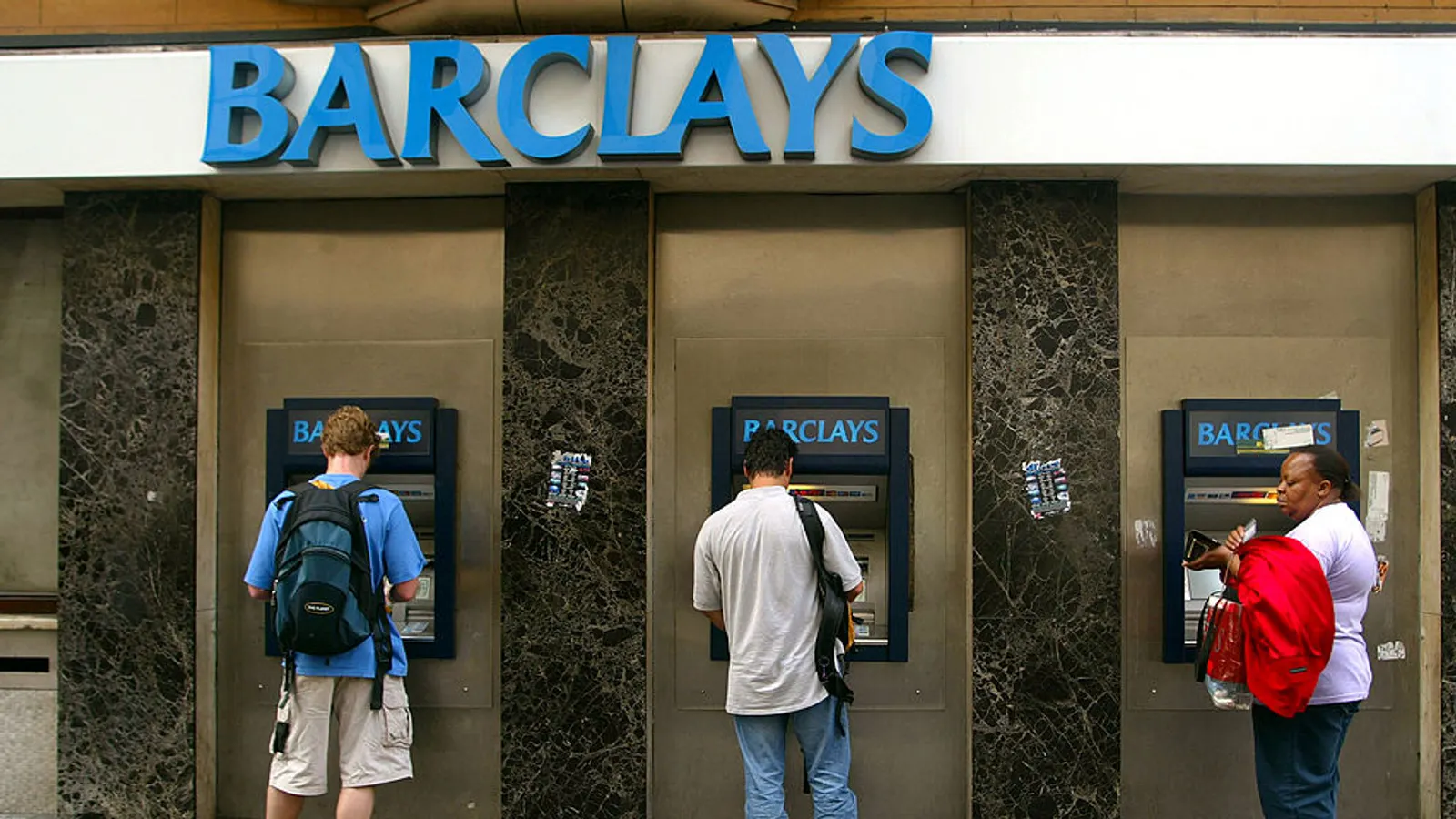
The tension between management and staff reached a boiling point at Barclays, where a significant portion of the workforce is actively resisting a new mandate. Starting next month, the bank plans to increase in-office requirements from two days to three for most employees, with a four-day requirement for managing directors and senior leadership.
The backlash was swift and organized. Thousands of Barclays staff members have signed an open letter coordinated by Unite, the trade union representing approximately 80% of the bank’s U.K.-based workforce. The petition represents a fundamental disagreement between the bank’s leadership and its employees regarding the necessity of physical presence.
Unite’s demands are multifaceted, reflecting the logistical complexities of modern commuting and caregiving. The union is calling for exemptions for employees whose commutes exceed 40 minutes or 35 miles each way. Furthermore, they have requested the implementation of split shifts, flexible start and end times to mitigate the impact on caregivers, and a one-off financial payment by March 2027 to offset the rising costs associated with increased travel. Perhaps most notably, the union is advocating for a one-day-a-week in-office limit for employees serving as long-term caregivers.
Rick Coyle, a national officer at Unite, articulated the core grievance of the staff: “Our members think that Barclays is trying to fix a problem that doesn’t exist.” The union contends that the bank’s insistence on increased office time is unsupported by evidence, particularly given that employees have maintained strong financial performance, successful digital transformation, and high operational benchmarks throughout the period of hybrid work.
Official Responses and the Corporate Rationale
Barclays has maintained a firm, albeit diplomatic, stance throughout the negotiations. In a statement provided to the media, the bank emphasized the importance of in-person collaboration. “We recognise the benefits of balancing flexibility for colleagues with the importance of working together in our physical locations,” the bank stated. “Our minimum time in office requirements vary by business area, reflecting the nature of the work and the needs of the business.”
The bank’s leadership maintains that these changes are necessary to ensure that the workforce remains aligned with the firm’s broader operational strategy. However, they have so far declined to meet the specific demands outlined by Unite, leading to a stalemate that has drawn the attention of broader labor observers.
The Legislative Backdrop: Evolving Employment Rights
The conflict at Barclays is occurring against a backdrop of shifting legal protections for workers. The U.K. government has recently unveiled plans that could make it significantly more difficult for employers to arbitrarily block flexible working requests. Under the proposed legislative changes, employers would be legally required to hold face-to-face meetings with staff requesting flexible arrangements and provide a “justifiable reason” if they intend to deny the request.
This shift in the regulatory climate suggests that the "command-and-control" model of office attendance may soon face more rigorous legal scrutiny. If these policies are codified, the burden of proof will shift from the employee—who previously had to justify why they needed flexibility—to the employer, who must now justify why the physical presence of the employee is an absolute operational necessity.
Economic and Operational Implications
The debate over RTO policies is not merely a cultural issue; it is a financial one. For institutions like Barclays, where the mandate affects roughly 22,500 of its 45,000 U.K. employees—specifically those in operations and technology—the cost of turnover is a significant concern.
Data from the past few years suggests that rigid RTO mandates can serve as a catalyst for "quiet quitting" or the departure of high-performing talent to competitors with more flexible policies. When employees feel that a policy is not based on productivity metrics but rather on a desire for control, the psychological contract between employer and employee is weakened.
Furthermore, there is the question of real estate footprint. Banks that enforce five-day mandates must maintain larger office capacities, whereas firms that embrace hybrid models can consolidate their real estate, potentially reducing overhead costs. However, many executives argue that the "social capital" lost during remote work—mentorship, spontaneous innovation, and cultural cohesion—is a cost that outweighs the savings on real estate.
A Future of Hybrid Equilibrium?
As the banking sector looks toward the remainder of the decade, the industry is searching for a sustainable equilibrium. The "three-day rule" has emerged as the most common compromise across the industry, yet even that is proving contentious.
The primary challenge for banking executives remains the lack of a universal performance metric for "office-based productivity." Without clear, objective data linking physical desk time to revenue generation or risk management, employees remain skeptical of the necessity of these mandates.
The situation at Barclays serves as a bellwether for the rest of the financial sector. If the union successfully negotiates significant concessions, it could embolden employees at other institutions to challenge their own firms’ policies. Conversely, if the bank successfully implements the mandate despite widespread staff opposition, it may encourage other firms to take a firmer line in the face of employee pushback.
In the final analysis, the future of banking work will likely be defined by a movement toward "intent-based" office attendance rather than "mandatory" attendance. The most successful firms will be those that can articulate exactly why certain tasks require a physical environment, while granting autonomy to staff for roles where physical presence provides little to no marginal benefit. Until such clarity is achieved, the cycle of seasonal policy announcements and employee resistance is likely to continue, creating a state of perpetual negotiation between the halls of finance and the home offices of the modern banking professional.

