
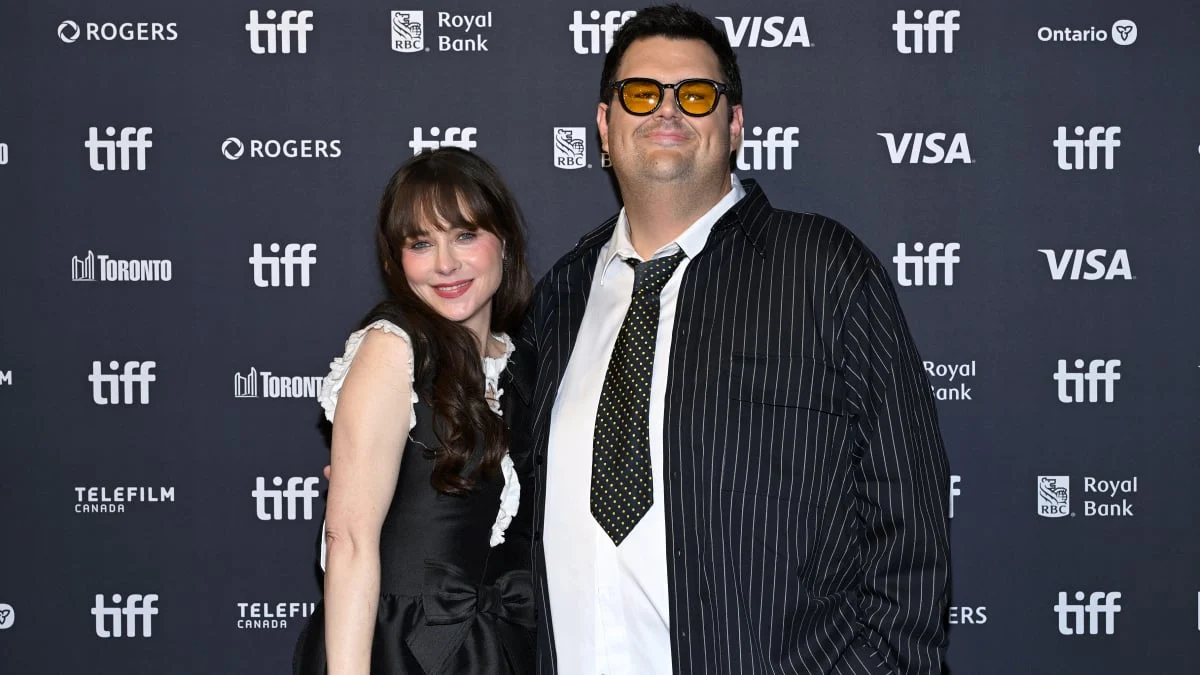
The transition from digital content creator to feature-length filmmaker has increasingly become a defining trajectory in contemporary entertainment, a phenomenon heavily spotlighted at this year’s Toronto International Film Festival (TIFF). During a panel discussion titled For You Feed to Feature Film, industry figures Caleb Hearon and Zooey Deschanel offered a candid examination of the hurdles, strategies, and realities associated with breaking out of online algorithms and into traditional cinema. Moderated by Jenny Kim, TikTok’s Global Entertainment Partnerships Lead, the session served as a masterclass for digital-first creators looking to navigate the complex landscape of Hollywood without compromising their creative autonomy.
The panel arrived on the heels of significant anticipation surrounding Trash Mountain, a new feature film starring both Hearon and Deschanel. Hearon, who co-wrote the screenplay alongside Ruby Caster, represents a growing wave of internet personalities successfully translating short-form digital engagement into long-form narrative storytelling. While the panel touched upon the creative triumphs of making this leap, a substantial portion of the discourse focused on the systemic challenges, financial realities, and institutional gatekeeping that creators face when attempting to cross traditional industry divides.
Breaking Down Industry Gatekeeping
A central theme of the discussion was the persistent tendency of traditional entertainment institutions to box creators into singular, easily marketable identities. For Deschanel, whose career spans decades across television, film, and independent music, overcoming institutional skepticism has been a recurring motif. Recalling the early days of her music career, Deschanel shared how industry executives attempted to discourage her from pursuing dual paths simply because she had already established credibility as an actor.
Her advice to the packed room at TIFF was rooted in self-determination: stop waiting for institutional permission and bypass the gatekeepers entirely. By adopting a proactive mindset—encapsulated by her rallying cry to simply be the person who does it first—Deschanel underscored her belief that creators already possess intrinsic value worth bringing to the public sphere, regardless of conventional industry validation.
Building upon Deschanel’s sentiments, Hearon delivered a sharp critique of how corporate entities and legacy institutions attempt to leverage a creator’s existing audience while minimizing financial and creative risk. Hearon stressed the critical importance of boundary-setting, advising emerging talent to master the art of declining offers early in their careers. According to Hearon, creators must resist the pressure to accept unfavorable terms or projects pushed by institutions that view digital stars merely as low-risk marketing tools rather than legitimate auteurs.
The Financial Realities of Modern Creative Work
Perhaps the most resonant and pragmatic portion of Hearon’s commentary centered on the economics of modern entertainment. Despite participating in four feature films over the preceding year, Hearon was transparent about the precarious financial realities actors and creators face in the current economic climate of the film industry. He bluntly noted that the majority of his reliable income continues to stem from independent ventures, humorously referencing his podcast advertisements rather than his theatrical work.
This financial transparency highlights a broader structural issue within the entertainment ecosystem. As traditional studios increasingly offload the financial risk of audience acquisition onto independent creators—relying on the built-in follower counts of internet personalities to market films—creators are left navigating a DIY landscape that demands high output with minimal upfront financial security. However, Hearon argued that this dynamic also grants creators a unique form of leverage. Because digital platforms allow artists to build direct, unmediated relationships with audiences, they do not necessarily have to bow to traditional studio pressures—provided they maintain fiscal resourcefulness and artistic integrity.
The intersection of digital content creation and traditional filmmaking is not an isolated trend but part of a larger structural shift in how media is funded, produced, and consumed. Over the past decade, the democratization of production tools and the rise of algorithmic discovery platforms have fundamentally altered the talent pipeline. Studios, facing declining theatrical attendance for mid-budget films, have increasingly looked to internet platforms to identify pre-vetted talent with built-in audiences.
However, this transition is fraught with friction. Digital creators often operate under rapid production cycles with minimal budgets, whereas feature films require sustained collaborative efforts, union compliance, and long-term financial management. Panels like the one at TIFF provide a vital bridge, offering pragmatic insights from individuals who have successfully navigated both worlds.
The Broader Impact on TIFF and the Future of Filmmaking
The inclusion of the For You Feed to Feature Film panel within TIFF’s official programming marks a formal acknowledgment by a major international film festival that the boundary between digital content and cinema has permanently dissolved. As festivals worldwide grapple with shifting audience demographics and the dominance of streaming and social media, platforms like TikTok have cemented their status as legitimate incubators for cinematic talent.
Industry analysts note that while studios are eager to capitalize on the built-in fanbases of digital creators, the long-term success of these crossovers depends heavily on creative control. Creators who retain their authentic voice—as Hearon and Caster aimed to do with Trash Mountain—are more likely to survive the transition from online shorts to the silver screen. Conversely, those who allow themselves to be co-opted by traditional institutions without adequate leverage risk alienating their core audiences while failing to secure meaningful career longevity in traditional Hollywood.
As Kristy Puchko, Mashable’s entertainment editor, reported from the festival grounds, the discourse surrounding Trash Mountain and the broader implications of creator-led cinema will likely influence how upcoming talent approaches the industry in the coming years. With a full review of Hearon’s film and a comprehensive recap of the TIFF panels expected soon, the industry is watching closely to see whether this new wave of creator-filmmakers can permanently alter the economic and creative power dynamics of traditional cinema.
Ultimately, the message delivered at TIFF by Deschanel and Hearon serves as both a caution and an encouragement. For the next generation of storytellers, the path forward requires a clear-eyed understanding of corporate risk-shifting, an unwavering commitment to creative boundaries, and, above all, the willingness to bypass institutional permission and make their art on their own terms.

