
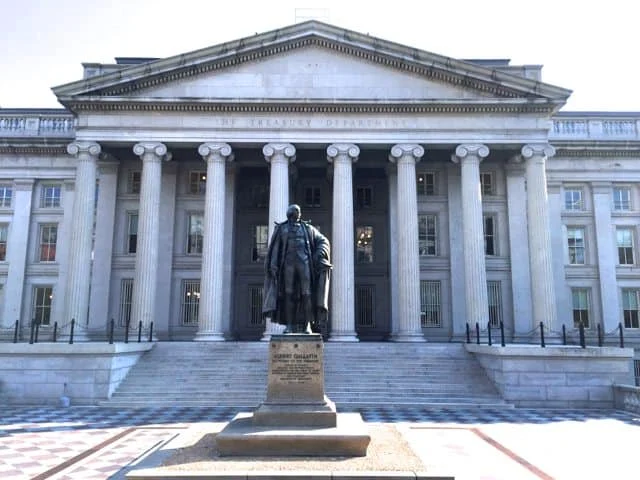
On April 8, 2026, a significant regulatory development emerged from the United States Treasury Department, signaling a new era of accountability for stablecoin issuers. The Financial Crimes Enforcement Network (FinCEN) and the Office of Foreign Assets Control (OFAC), acting under the framework of the GENIUS Act, released a Notice of Proposed Rulemaking (NPRM) that outlines stringent expectations for Permitted Payment Stablecoin Issuers (PPSIs) to bolster sanctions compliance. These proposed rules, slated to take full effect in January 2027, are designed to integrate stablecoin operations more closely with traditional financial sector anti-money laundering (AML) and counter-financing of terrorism (CFT) obligations, particularly concerning secondary market activities.
The comprehensive analysis of this NPRM, provided by blockchain intelligence firm Elliptic, reveals that PPSIs will be subjected to a rigorous set of compliance requirements mirroring those already imposed on established U.S. financial institutions. This alignment signifies a critical step in bringing the burgeoning digital asset space under a more robust regulatory umbrella, aiming to mitigate the risks of illicit finance and sanctions evasion.
Core Compliance Obligations for Stablecoin Issuers
At the heart of the proposed rulemaking are core AML/CFT obligations that PPSIs must integrate into their operational frameworks. These include the imperative for senior management to actively oversee compliance programs, conduct regular and thorough risk assessments, and implement risk-based customer due diligence procedures. Furthermore, the appointment of a dedicated AML/CFT officer, coupled with ongoing staff training and the execution of independent audits, will be mandatory. These measures are designed to foster a culture of compliance and ensure that stablecoin operations are not inadvertently exploited by bad actors.
The NPRM also casts a wider net over the ecosystem by classifying partnerships that stablecoin issuers form with exchanges and other counterparties for issuance and redemption as correspondent accounts. This classification subjects these relationships to enhanced oversight under Section 311 of the USA PATRIOT Act, a provision historically used to combat money laundering and terrorist financing by identifying and mitigating risks posed by foreign jurisdictions, financial institutions, or types of accounts. This move suggests a recognition by regulators that the interconnectedness of the stablecoin market necessitates a broad approach to compliance.
Evaluating and Mitigating Stablecoin-Specific Risks
A particularly notable focus of the proposed rules is the mandate for issuers to conduct detailed evaluations of financial crime risks specifically associated with their stablecoin products. Elliptic’s analysis highlights that these risk assessments must delve into the intricate technical features of each token’s smart contract. This includes scrutinizing capabilities such as the ability to freeze or block funds, a feature that can be critical for compliance but also raises questions about decentralization and user control. Equally important will be the examination of the underlying blockchain’s characteristics on which the stablecoin operates, as different blockchains present varying levels of transparency and traceability.
The proposed regulations also stipulate that issuers must proactively update these risk assessments whenever they implement modifications to their smart-contract functionality or decide to deploy their token on a new blockchain network. This dynamic approach acknowledges the rapidly evolving nature of blockchain technology and the potential for new risks to emerge as stablecoins gain wider adoption and technical sophistication.
Navigating Primary vs. Secondary Market Activity
The NPRM meticulously draws a distinction between primary and secondary market activities, a crucial element for understanding the scope of issuer responsibilities.
Primary Market Responsibilities
In primary markets, where the stablecoin issuer directly engages in the issuance and redemption of tokens or facilitates customer transactions, PPSIs will be held to the highest standards. This includes the obligation for continuous transaction monitoring and the timely filing of Suspicious Activity Reports (SARs) when warranted. This direct oversight in primary market operations is intended to prevent the initial entry of illicit funds into the stablecoin ecosystem.
Secondary Market Nuances and Issuer Obligations
Secondary market trading, which encompasses peer-to-peer transactions or trading on exchanges where the issuer is not a direct party, receives a different regulatory treatment. FinCEN has concluded that imposing continuous monitoring and SAR filing requirements for all secondary market activity would be operationally impractical and could lead to an influx of low-value, “defensive” reports that dilute the effectiveness of the AML/CFT regime. Consequently, under the proposal, issuers will generally not be obligated to monitor or report suspicious transactions occurring solely in the secondary market.
However, this does not represent a complete exemption from secondary market responsibilities. Elliptic emphasizes two critical, ongoing obligations for PPSIs concerning secondary market activity:
-
Technical Capability for Fund Control: Issuers must maintain the technical infrastructure and capability to freeze, block, or reject funds when directed to do so by law enforcement agencies or court orders. This ensures that regulatory directives can be effectively implemented even in decentralized trading environments.
-
Proactive Sanctions Compliance: More significantly for sanctions compliance, PPSIs will be required to actively prevent sanctioned individuals or entities, including those operating within comprehensively sanctioned jurisdictions, from utilizing their stablecoin in secondary markets. This obligation extends even to unhosted wallet-to-wallet transfers, meaning issuers cannot simply disclaim responsibility if their tokens are used by sanctioned parties, even if the transaction does not directly involve the issuer.
Failure to adequately implement these secondary market controls could expose issuers to significant liability for sanctions violations that occur through the use of their tokens. To assist issuers in meeting these complex requirements, the Treasury Department explicitly encourages the adoption and use of advanced blockchain analytics tools. These sophisticated solutions can enable smart contracts to automatically detect and flag, or even block, interactions with cryptocurrency wallets that have been identified as being linked to sanctioned parties. Elliptic underscores that such technological capabilities will be indispensable for stablecoin issuers aiming to operate securely and compliantly within the U.S. market.
Background and Context: The Evolving Regulatory Landscape
The release of this NPRM is the culmination of years of increasing regulatory scrutiny on the digital asset sector, particularly stablecoins, which have experienced exponential growth in market capitalization and utility. As stablecoins become more integrated into global payment systems and financial markets, concerns about their potential for illicit use, including money laundering, terrorist financing, and sanctions evasion, have grown among policymakers and regulators worldwide.
The GENIUS Act, referenced in the NPRM, likely refers to legislative efforts aimed at providing a clearer legal framework for digital assets. While specific details of such proposed legislation can vary, the overarching goal is often to foster innovation while ensuring financial stability and integrity. The timing of this NPRM, with a full regulatory regime anticipated by January 2027, suggests a phased approach to implementation, allowing the industry time to adapt to the new requirements.
Historically, regulatory approaches to digital assets have often lagged behind technological advancements. However, the increasing adoption of stablecoins for cross-border payments, remittances, and as a store of value has prompted a more proactive stance from agencies like FinCEN and OFAC. Their mandates are to safeguard the U.S. financial system from illicit finance, and stablecoins, with their potential for rapid value transfer and global reach, present unique challenges and opportunities in this regard.
Timeline of Key Developments:
- April 8, 2026: FinCEN and OFAC release the Notice of Proposed Rulemaking (NPRM) under the GENIUS Act, outlining new sanctions compliance expectations for Permitted Payment Stablecoin Issuers (PPSIs).
- 60 Days from NPRM Release: The proposed rule is open for public comment, allowing industry participants, legal experts, and other stakeholders to provide feedback.
- January 2027: The full regulatory regime for PPSIs, incorporating the finalized rules based on the NPRM and public comments, is expected to take effect.
Supporting Data and Industry Trends
The stablecoin market has seen a dramatic surge in recent years. As of early 2024, the total market capitalization of stablecoins has surpassed $150 billion, with major players like Tether (USDT) and USD Coin (USDC) dominating the landscape. This growth underscores the increasing reliance on these digital assets for various financial activities, from trading on cryptocurrency exchanges to facilitating cross-border transactions.
However, this growth has also attracted the attention of regulators due to past incidents and ongoing concerns. For instance, while not directly tied to this specific NPRM, previous regulatory actions against cryptocurrency exchanges and individuals involved in illicit activities have highlighted the need for robust AML/CFT measures within the broader digital asset ecosystem. The U.S. Treasury’s focus on sanctions compliance is particularly relevant, given the global nature of stablecoin transactions and the potential for them to be used to circumvent international sanctions regimes.
Official and Industry Reactions (Inferred)
While direct statements from FinCEN and OFAC regarding the NPRM’s public release are expected to be formal and focused on the regulatory intent, the broader industry reaction is likely to be multifaceted. Stablecoin issuers and associated technology providers will be closely examining the details to understand the operational and technological implications.
Potential Industry Responses:
- Proactive Compliance Investments: Companies that are serious about operating within the U.S. market will likely accelerate investments in advanced blockchain analytics, transaction monitoring systems, and compliance personnel. The emphasis on technical capabilities for fund control and sanctions screening suggests a pivot towards more sophisticated technological solutions.
- Calls for Clarity and Practical Guidance: Following the public comment period, industry groups may advocate for further clarification on specific aspects of the NPRM, particularly regarding the practical implementation of secondary market compliance obligations and the definition of "active prevention" of sanctioned party usage.
- Debate on Decentralization vs. Compliance: The requirement for issuers to maintain the ability to freeze funds, even in secondary markets, may spark debate among proponents of decentralization who view such controls as antithetical to the core principles of blockchain technology.
- Opportunity for Blockchain Analytics Providers: The explicit encouragement of blockchain analytics tools is likely to be viewed as a significant opportunity by companies specializing in this area, as demand for their services is expected to increase.
Broader Impact and Implications
The proposed rules represent a significant development in the global regulatory landscape for digital assets. By imposing stringent AML/CFT and sanctions compliance obligations on stablecoin issuers, the U.S. Treasury is signaling a clear intent to integrate this segment of the crypto market into the existing financial regulatory framework.
- Enhanced Financial Integrity: The primary implication is a strengthened defense against illicit finance. By making stablecoin issuers more accountable, regulators aim to reduce the potential for these assets to be used for money laundering, terrorist financing, and sanctions evasion.
- Leveling the Playing Field: Aligning stablecoin issuer obligations with those of traditional financial institutions creates a more level playing field, ensuring that digital asset activities are subject to comparable oversight.
- Driving Technological Innovation in Compliance: The emphasis on technical capabilities, particularly in sanctions screening and transaction monitoring, is likely to spur innovation in blockchain analytics and compliance technology.
- Potential for Market Consolidation: Issuers that are unable or unwilling to invest in the necessary compliance infrastructure may find it challenging to operate within the U.S. market, potentially leading to a consolidation among the larger, more well-resourced players.
- Global Regulatory Influence: As the U.S. takes a more definitive stance, other jurisdictions may follow suit, further shaping the global regulatory environment for stablecoins. The NPRM’s approach to secondary markets, in particular, could serve as a model or point of contention for international regulatory discussions.
In conclusion, the U.S. Treasury Department’s proposed rulemaking marks a pivotal moment for the stablecoin industry. By demanding robust sanctions compliance measures, the government is clearly prioritizing financial security and integrity while acknowledging the unique challenges and opportunities presented by digital assets. The upcoming public comment period will be crucial in shaping the final regulations, but the direction is clear: innovation in the stablecoin space must now proceed hand-in-hand with stringent compliance and robust financial crime controls.

