The intersection of digital sovereignty and traditional artistic expression has reached a new milestone with the opening of Banned from New York, a comprehensive solo exhibition by the artist Mike Parisella, professionally known as Slimesunday. Hosted at the SuperRare Offline Gallery in New York City, the exhibition represents a career-defining moment for Parisella, blending high-stakes social commentary with a multidisciplinary approach that spans physical sculpture, digital-physical hybrids, and blockchain-integrated media. Presented in collaboration with curator Roger Dickerman and the 24 Hours of Art initiative, the showcase serves as a visceral response to the systematic suppression of creative content by modern social media algorithms and centralized platforms.
Slimesunday has long been recognized as a primary figure in the collage and glitch art movements, gaining notoriety for works that challenge the boundaries of acceptability on mainstream platforms. Based in Salem, Massachusetts, Parisella’s trajectory from a prolific social media creator to one of the highest-earning crypto-artists in the world provides a unique lens through which to view the evolution of the NFT (Non-Fungible Token) market. Banned from New York is not merely a collection of recent works; it is a curated narrative of resistance against what Parisella describes as the "digital church," where algorithms act as modern-day arbiters of morality and visibility.
The Evolution of Slimesunday: From Digital Subversion to Institutional Recognition
To understand the significance of the Banned from New York exhibition, one must examine the professional history of Mike Parisella. Emerging as a dominant force in the digital collage space during the mid-2010s, Slimesunday built an audience of millions through a relentless output of surreal, erotic, and often unsettling imagery. His aesthetic, characterized by a fusion of vintage print media and digital distortion, eventually caught the attention of major cultural institutions and commercial entities.
Parisella’s portfolio includes high-profile collaborations with global musical icons such as Lana Del Rey, Katy Perry, Beck, and J Balvin. His work has appeared in the pages of Playboy, Penthouse, and Glamour, marking a rare instance where a digital-first artist successfully transitioned into the upper echelons of legacy print media. Furthermore, his partnership with the electronic musician 3LAU led to the creation of SSX3LAU, an audiovisual project that became one of the first major success stories in the NFT space, generating millions in sales and proving the viability of blockchain as a medium for artistic distribution.
Despite this commercial success, Parisella’s career has been marked by a constant struggle with platform censorship. His work, which frequently utilizes the human form to explore themes of psychology and social decay, has been repeatedly flagged, shadowbanned, or removed by Instagram and other Meta-owned platforms. This lived experience of digital erasure forms the backbone of the current exhibition, turning the act of being "banned" into a badge of artistic integrity.
Detailed Analysis of Key Exhibition Works
The Banned from New York exhibition is structured to lead the viewer through the various stages of Parisella’s technical and thematic evolution. The works on display are notable for their diversity of medium, reflecting a growing trend in the NFT sector where digital assets are increasingly paired with tangible, physical counterparts.
MS Paint (2024) – A Tribute to Digital Foundations
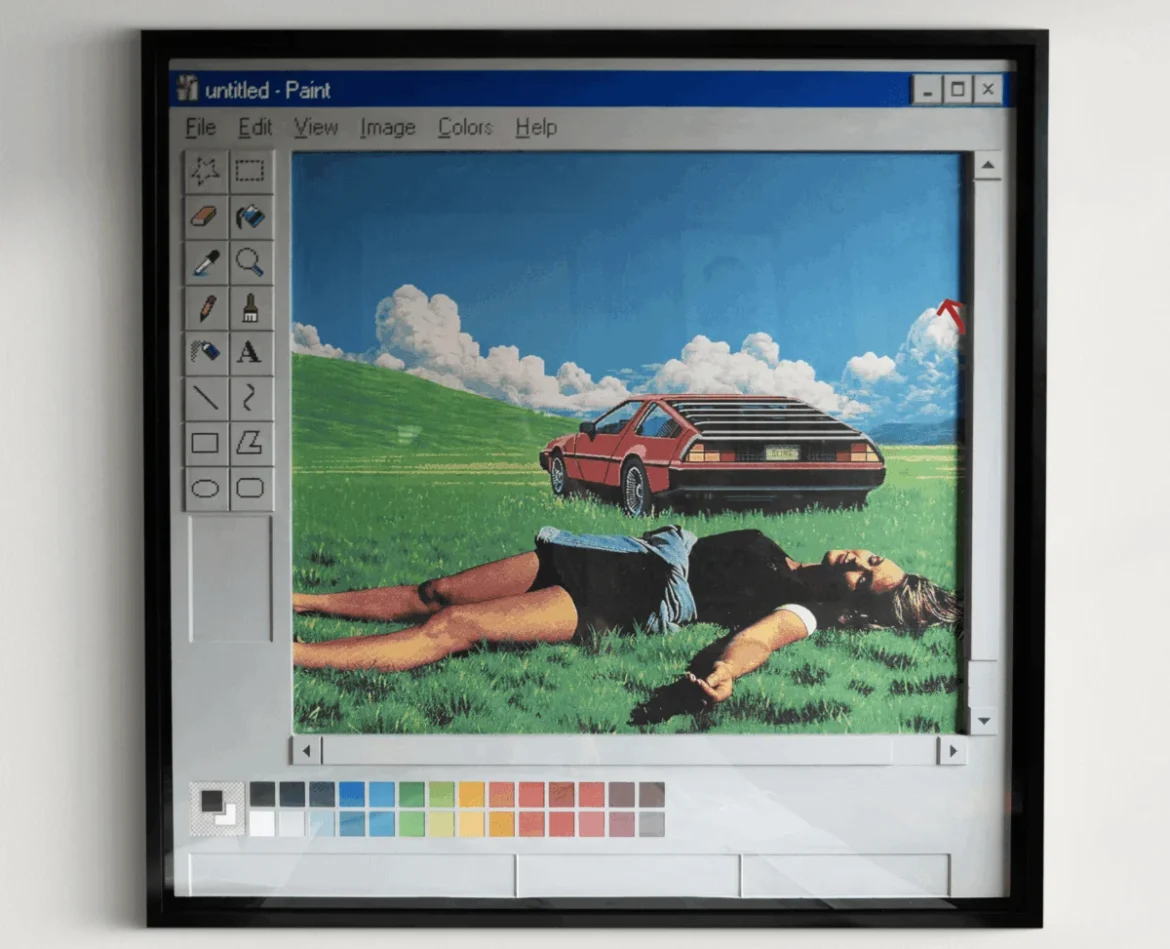
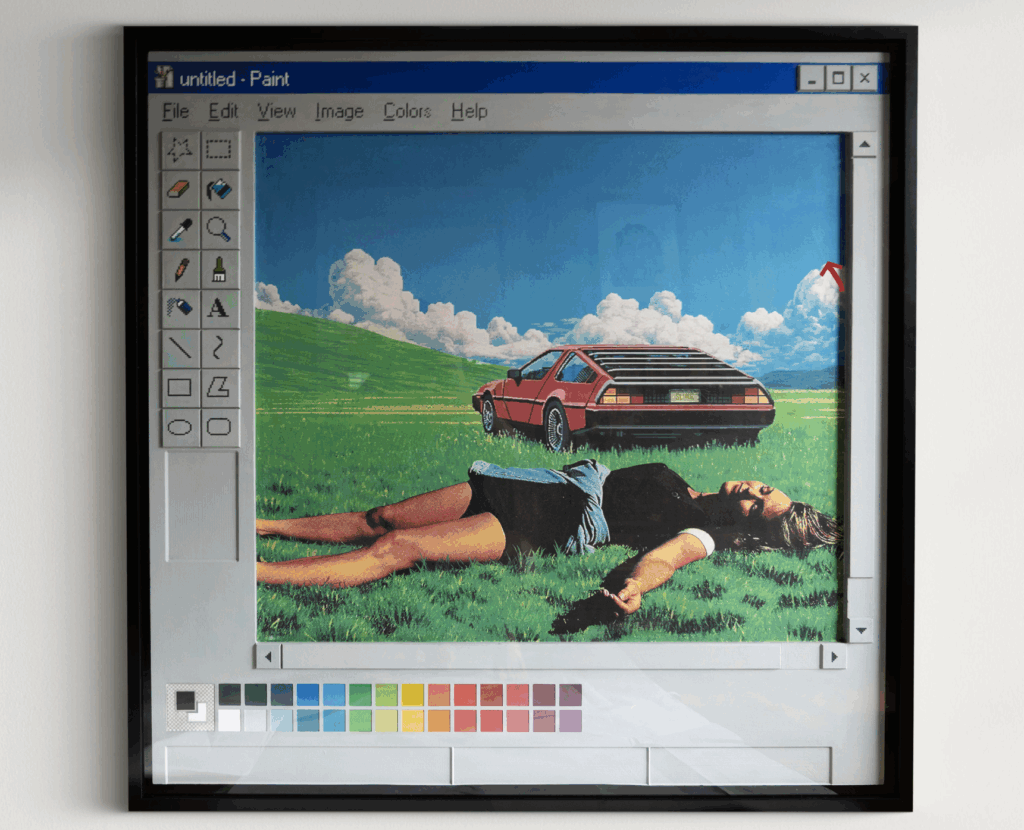
One of the most significant physical pieces in the show is MS Paint, a hand-painted sculpture carved in High-Density Urethane (HDU). Priced at $18,000, the work is an exact physical recreation of the Windows 98 Microsoft Paint user interface. By elevating a rudimentary digital tool to the status of fine art sculpture, Parisella explores the concept of digital nostalgia. It serves as a reminder of a time when digital creation was unburdened by the complexities of algorithmic surveillance, focusing instead on the raw potential of the pixel.
Weedman – Art as Social Advocacy
The piece titled Weedman, valued at $25,000, represents Parisella’s foray into political and social commentary. The work, which utilizes a layered composition involving physical glue and Playboy advertisements, addresses the disparate realities of cannabis legalization, racial inequality, and the American carceral system. Demonstrating a commitment to the themes presented, the artist announced that $10,000 from the proceeds of this work would be donated to the Last Prisoner Project, a non-profit organization dedicated to cannabis criminal justice reform. This move positions the exhibition not just as a commercial endeavor, but as a platform for tangible social impact.
Lady Liberty and the Cost of Visibility
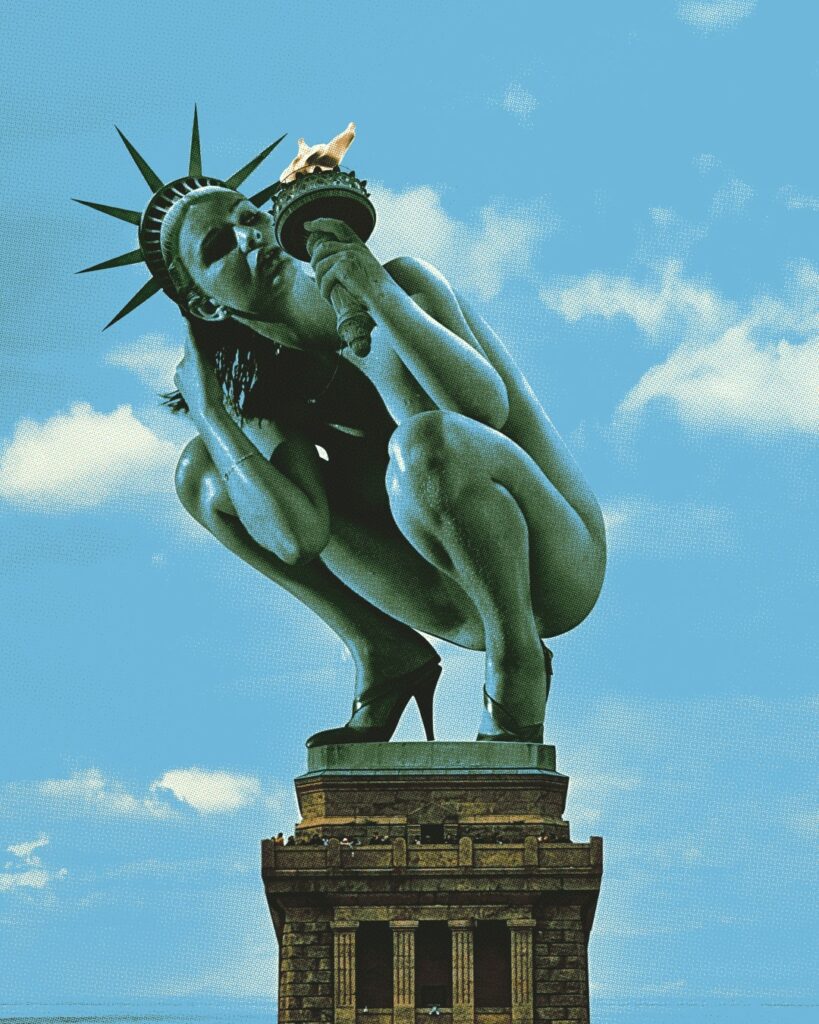
The centerpiece of the digital auction component is Lady Liberty, a reimagined icon of American freedom. Parisella has been vocal about the risks associated with this specific piece, noting that its provocative nature often results in decreased reach on social media platforms. "Posting this hurts my reach," the artist stated during the exhibition’s promotion, highlighting the central paradox of modern art: the most important messages are often the ones the infrastructure is designed to hide.
Sunday School Dropout and Algorithmic Dogma
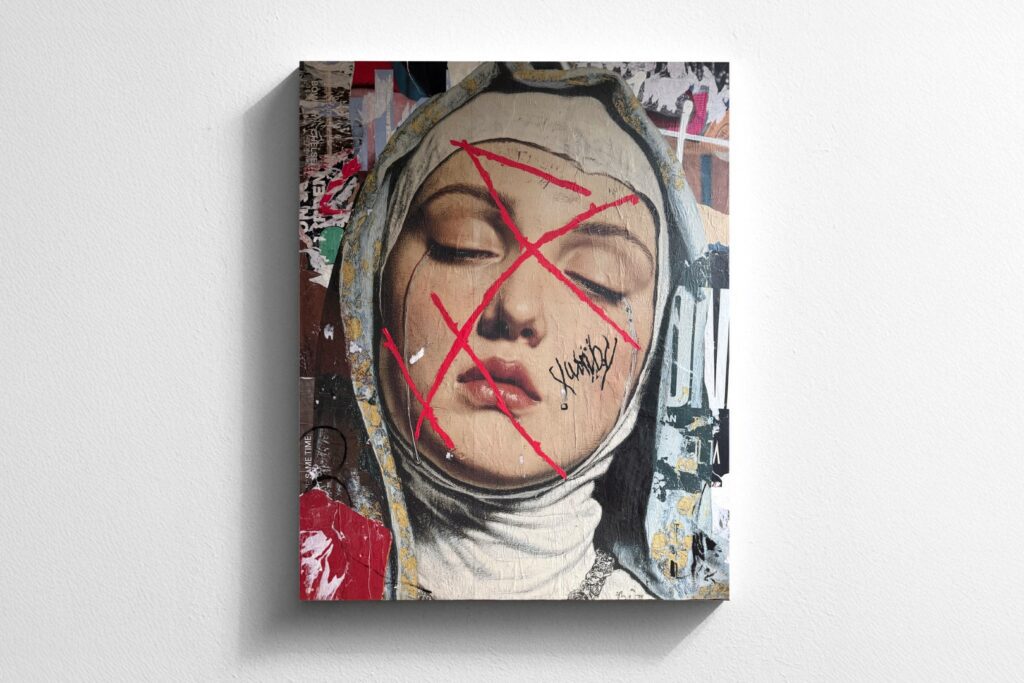
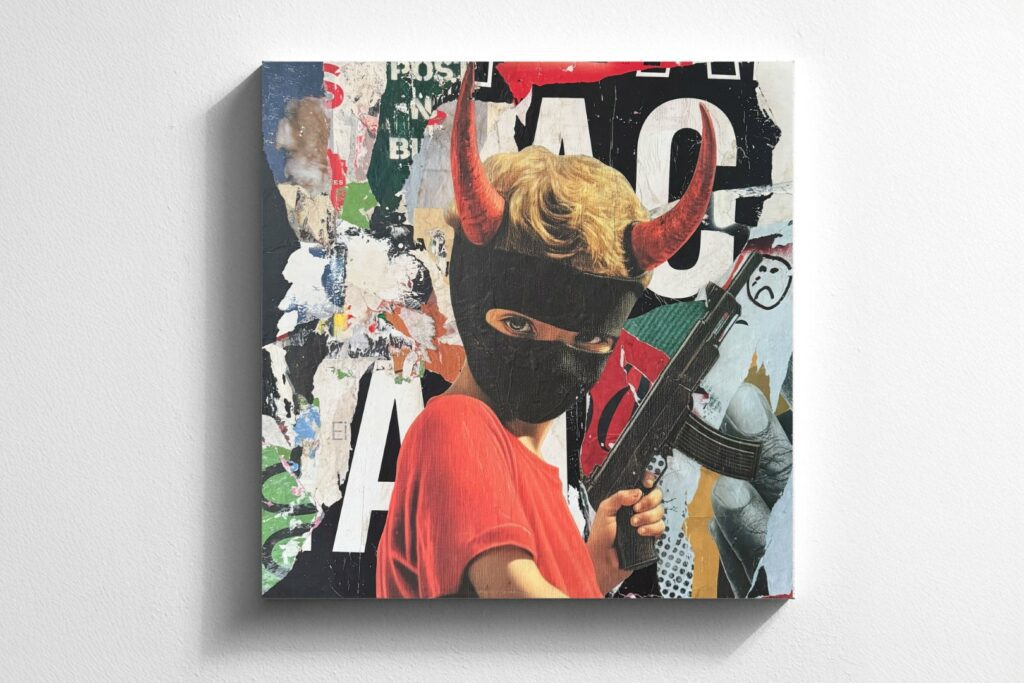
The exhibition also features Sunday School Dropout and Marked, two wheatpaste-on-wood pieces priced between $14,000 and $15,000. Sunday School Dropout carries a particularly controversial history, having been removed from a previous gallery setting due to its provocative imagery. Rather than altering his approach, Parisella chose to center the piece in the New York show, using it to draw parallels between religious dogma and the "digital priesthood" of Silicon Valley.
Technical Innovation: The Convergence of Physical and Digital
The Banned from New York exhibition utilizes SuperRare’s "phygital" infrastructure, where physical artworks are cryptographically linked to NFTs on the Ethereum blockchain. This ensures provenance and authenticity while allowing collectors to own both the tangible object and its digital twin.
The show includes "Digital Tapestries" such as No Time to Kare and Winamp V6.9, which are listed at 5 ETH (approximately $16,000 to $18,000 depending on market fluctuations). These works utilize advanced dithering techniques and pixel manipulation to evoke the "glitch" aesthetic of the early internet and file-sharing era. By presenting these as high-value fine art, Slimesunday validates the aesthetic of the "LimeWire generation," transforming technical errors into intentional artistic statements.
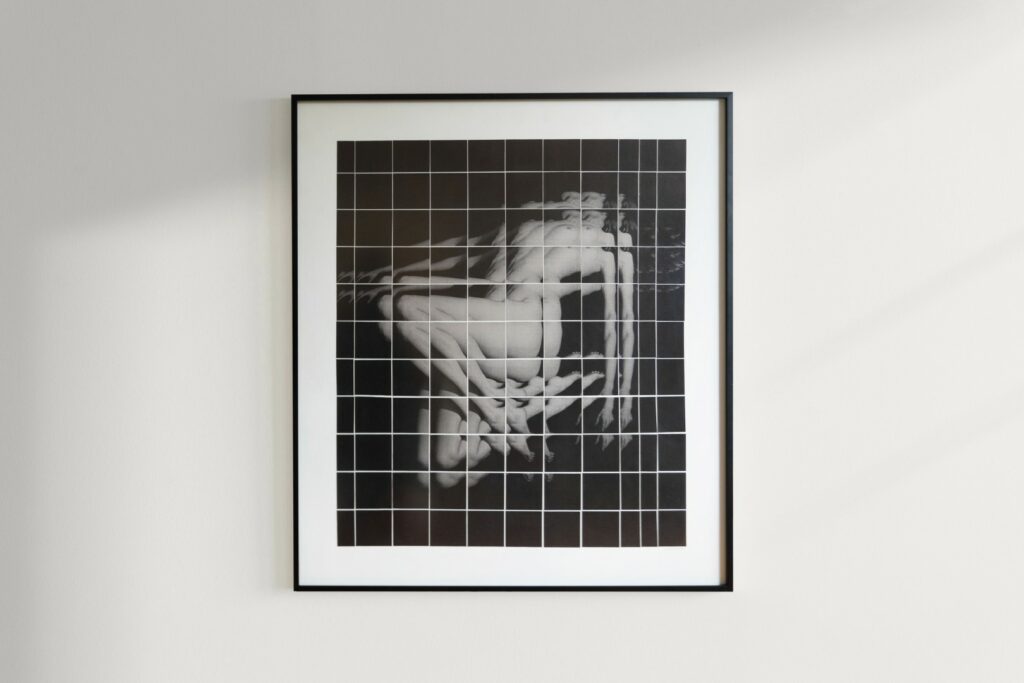
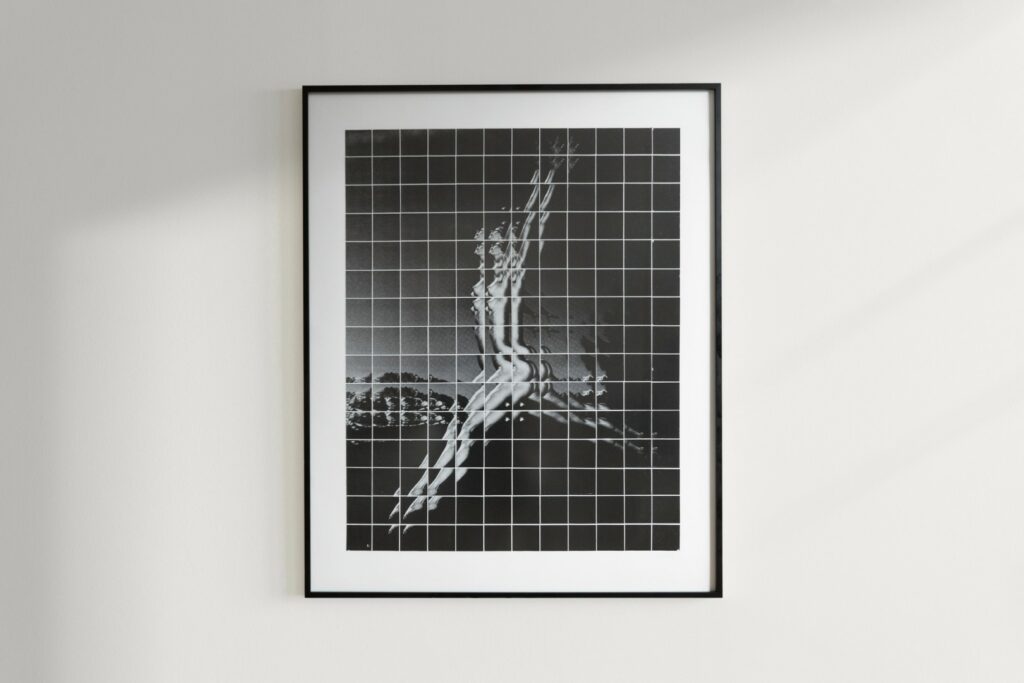
Additionally, the Squares Series (2024–2025) showcases Parisella’s ability to deconstruct composition. Inspired by the legendary David Hockney, these prints use a grid-based approach to blur nudity and censorship, forcing the viewer to mentally reconstruct the image and, in doing so, confront their own perceptions of what is "acceptable" to view.
Chronology of the Event and Collaborative Framework
The exhibition was launched with a strategic timeline designed to maximize both physical attendance and digital engagement:
- July 31, 6:00 PM – 7:00 PM: A "Fireside Chat" featured Slimesunday in conversation with Roger Dickerman. The discussion focused on the mechanics of censorship and the future of decentralized art platforms.
- July 31, 7:00 PM – 9:00 PM: The official opening reception took place at the SuperRare Offline Gallery in SoHo, attracting a mix of traditional art collectors, crypto-native investors, and digital artists.
- August 2024: The exhibition remains open for public viewing, with rolling auctions for various digital editions taking place on the SuperRare platform.
The involvement of Roger Dickerman and the 24 Hours of Art project is significant. Dickerman has emerged as a leading curator in the space, focusing on artists who bridge the gap between the volatile NFT market and the established fine art world. By hosting the event at the SuperRare Offline Gallery, the organizers are making a deliberate statement about the necessity of physical spaces for the validation of digital media.
Institutional and Market Implications
The Banned from New York exhibition arrives at a critical juncture for the NFT market. Following the speculative bubble of 2021 and the subsequent market correction, the industry has shifted its focus toward "high-art" curation and long-term artist legacies. Slimesunday’s success is often cited by analysts as evidence that artists with a strong "web2" foundation and a clear, provocative voice are the ones most likely to maintain value in a "web3" ecosystem.
Industry experts suggest that the multidisciplinary nature of this show—combining physical sculptures with blockchain assets—sets a new standard for solo exhibitions in the digital age. It addresses the primary criticism of NFTs—the lack of physical substance—by providing collectors with substantial, museum-quality physical works.
Furthermore, Parisella’s critique of "digital priests" and the "Patagonia-vest-wearing" architects of modern algorithms resonates with a broader cultural anxiety regarding the power of Big Tech. By framing the exhibition as a battle for visibility, Slimesunday taps into a zeitgeist of digital rebellion that extends far beyond the crypto community.
Conclusion: A Legacy of Resistance
Slimesunday’s Banned from New York is more than a display of technical proficiency; it is a manifesto on the state of creative freedom in the 21st century. By bringing "banned" content into a prestigious physical gallery in the heart of New York City, Parisella effectively bypasses the digital gatekeepers he critiques.
The exhibition confirms Slimesunday’s position as a vital contemporary artist who is unafraid to use his platform for social and political commentary. As the lines between the digital and physical worlds continue to blur, the themes explored in Banned from New York—visibility vs. control, nostalgia vs. innovation, and expression vs. censorship—will likely remain at the forefront of the global cultural conversation. For the art world, the success of this exhibition serves as a clear indicator that the future of provocative art may no longer be found in traditional salons, but in the defiant intersection of the pixel and the pavement.