
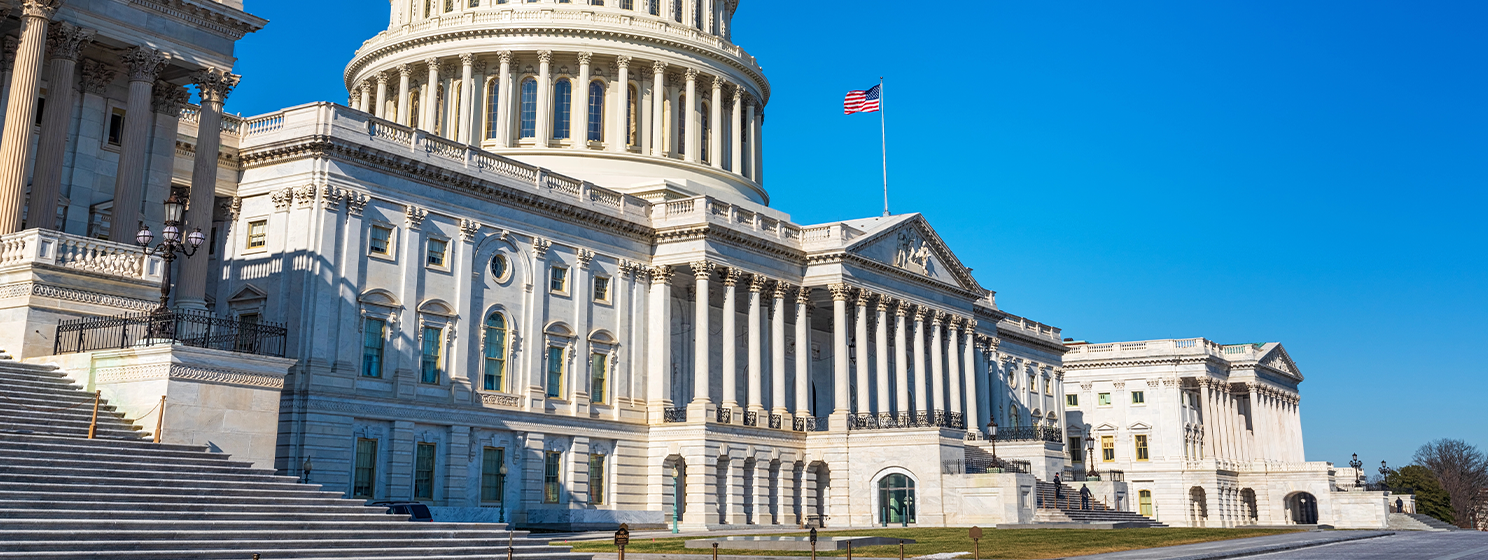
The United States digital asset landscape remains mired in legislative uncertainty, as critical market structure legislation continues to stall in Congress, while major cryptocurrency exchanges contend with significant security challenges and financial pressures. Concurrently, a high-profile, Trump-linked decentralized finance (DeFi) project faces intense scrutiny over its operational transparency and asset management, underscoring the complex and often contentious environment defining the sector. This confluence of political inertia, market volatility, and internal controversies paints a multifaceted picture of an industry grappling with maturity, regulatory oversight, and public perception.
Legislative Limbo: The CLARITY Act’s Rocky Path
The much-anticipated CLARITY Act, a pivotal piece of digital asset market structure legislation, faces renewed delays following Congress’s return from its Easter recess. Originally envisioned to provide a comprehensive regulatory framework for cryptocurrencies in the U.S., the bill’s journey has been fraught with political infighting and industry pushback. A scheduled markup session in mid-January was abruptly canceled after Coinbase (NASDAQ: COIN), one of the largest digital asset exchanges, unexpectedly withdrew its support. This withdrawal highlighted a deep-seated disagreement within the industry and with traditional financial institutions regarding the treatment of stablecoin yields.
The core of this contention revolves around the practice of crypto platforms offering "rewards" or "yield" to users holding stablecoins. Coinbase, for instance, reportedly derives a significant portion—one-fifth—of its revenue from such offerings. Traditional banks, however, are vehemently opposing this, advocating for crypto platforms to be subjected to the same "yield" prohibition faced by stablecoin issuers under the GENIUS Act, which Congress passed last year. Their argument centers on preventing unfair competition, mitigating systemic risk, and ensuring a level playing field across financial services. The White House has actively engaged in these discussions, reportedly pressuring banks to concede ground, yet a durable compromise remains elusive. While White House crypto advisor Patrick Witt expressed "hopeful" sentiment on CoinDesk TV about a stablecoin compromise being reached, he conceded that resolving this issue was a "must-have" prerequisite for addressing other outstanding matters. The continuous back-and-forth, with neither side willing to fully capitulate, reflects the high stakes involved in defining the future operational parameters of digital asset businesses. The impasse risks leaving the U.S. behind other nations that have moved more decisively on crypto regulation.
Beyond stablecoin yields, several other critical issues continue to impede the CLARITY Act’s progress. Democrats have consistently championed two non-negotiable points: the "quorum" issue, aimed at ensuring minority party representation on federal agencies overseeing digital assets, and the perennially
