
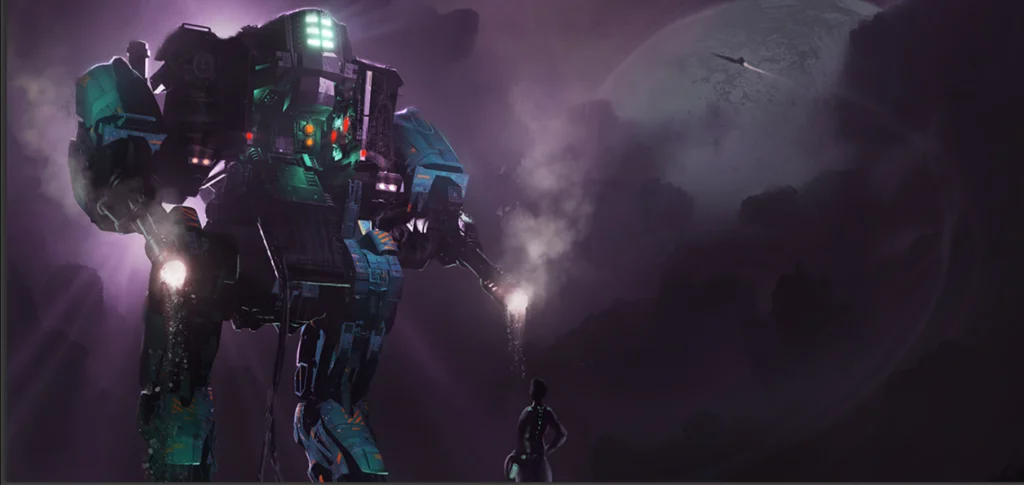
The global Web3 gaming sector is witnessing a significant shift toward high-utility digital assets, and Void 2122 is positioning itself at the forefront of this evolution. As the project enters its second year of operations, the development team has announced a pivotal transition that integrates non-fungible tokens (NFTs) into its core gameplay loop. Starting October 31, the tactical card battle system will leverage blockchain technology to provide players with verifiable ownership of their in-game assets, marking the debut of the highly anticipated "Void Connect" initiative. This move represents a strategic effort to merge the competitive depth of traditional collectible card games (CCGs) with the transparency and security of the Polygon network.
The Strategic Evolution of Void 2122 and the Launch of Void Connect
Void 2122 began its journey as a turn-based strategy card game designed to challenge the status quo of the gaming industry. Unlike many early Web3 projects that focused primarily on "play-to-earn" mechanics—often at the expense of gameplay quality—Void 2122 was built with a "fun-first" philosophy. The development team, comprised of Web3 enthusiasts and veteran gamers, drew heavy inspiration from industry titans such as Magic: The Gathering and Pokémon. The goal was to replicate the emotional investment and strategic complexity of these physical games while removing the geographical and logistical barriers associated with traditional card collecting.
The introduction of "Void Connect" serves as the technological bridge for this vision. This ecosystem allows players to command specialized troops and participate in high-stakes battles where the rewards are more than just digital points. Players compete for loot and global rankings, with every victory and acquisition recorded on the blockchain. This system ensures that the "grind" associated with strategy games results in tangible value that remains under the player’s control. By entering its second year, the project demonstrates a level of longevity and commitment that is often rare in the fast-paced and volatile decentralized gaming market.
Addressing the Challenges of Traditional Collectible Card Games
The transition to digital assets in Void 2122 is not merely a trend-following exercise but a calculated solution to long-standing issues in the collectible card market. For decades, enthusiasts of physical card games have grappled with the complexities of authentication and preservation. To determine the value and legitimacy of a rare card, owners typically must rely on third-party grading services. This process involves shipping valuable items to centralized authorities, paying high fees, and waiting weeks or months for a professional evaluation of the card’s condition and authenticity.
Stan Tran, the founder of Void 2122, identifies this as a primary friction point that Web3 technology is uniquely equipped to solve. By utilizing NFTs, Void 2122 eliminates the need for external validation. The blockchain acts as a permanent, immutable ledger that proves the origin, history, and current ownership of every card in the ecosystem. This transparency ensures that the secondary market can operate with 100% confidence, as the "grading" is baked into the digital DNA of the asset.
Furthermore, the digital nature of these cards allows for dynamic evolution. In the physical world, a card is a static object; in the Void 2122 universe, these assets can be enhanced and empowered. Players can transform basic units into formidable powerhouses through gameplay and strategic upgrades. Because these changes are recorded on-chain, they are verifiable. This prevents the "cheating" or "counterfeiting" that can plague both physical and traditional digital games, as no player can artificially bolster their power without following the established rules of the game’s smart contracts.
Technical Foundation: The Role of Polygon and MetaMask
To ensure a seamless user experience, Void 2122 has selected the Polygon network as its underlying infrastructure. In the broader context of blockchain gaming, the choice of network is critical. High "gas" fees—the costs associated with processing transactions on a blockchain—have historically been a barrier to entry for many players, particularly on the Ethereum mainnet. By building on Polygon, a Layer-2 scaling solution, Void 2122 offers its community a high-speed environment with negligible transaction costs.
Access to the game and its assets is managed via MetaMask, the industry-standard cryptocurrency wallet. This integration serves several functions:
- Security: Players maintain custody of their cards in their own private wallets rather than on a centralized company server.
- Portability: Assets can be traded on open marketplaces or moved between different decentralized applications (dApps) within the Polygon ecosystem.
- Identity: The wallet serves as the player’s unique entry point, housing their achievements, triumphs, and loot in a single, secure location.
This technical setup is designed to be as unobtrusive as possible, allowing the focus to remain on the tactical gameplay rather than the complexities of the underlying technology. For the project, the goal is to make blockchain interactions feel as natural as logging into a traditional gaming account, while retaining all the benefits of decentralization.
Market Context and the Shift Toward Community-Driven Ecosystems
The launch of Void 2122’s NFT integration comes at a time when the Web3 gaming market is maturing. According to industry reports from 2023 and early 2024, there is a growing demand for games that prioritize player retention over speculative trading. Void 2122 aligns with this trend by emphasizing an "ardent user base built on genuine love for the card game."
By moving beyond the promise of quick financial gains, the project seeks to build a sustainable economy. In this model, value is derived from the utility of the cards in battle and their rarity within the game’s lore. This approach mirrors the success of "Everquest" and other classic MMORPGs, where the community and the shared experience of the world are the primary drivers of engagement.
The project also addresses the "skill gap" that often intimidates new players in the strategy genre. While tactical mastery is rewarded, the ecosystem provides multiple pathways to success. Players who may not have the time to master every nuance of turn-based combat can still participate meaningfully through the trading and collection of assets. This "helping hand" from the community and the ability to boost gameplay through strategic asset acquisition ensures that the game remains accessible to a diverse audience, ranging from hardcore competitive players to casual collectors.
Chronology of Development and Future Outlook
The journey of Void 2122 has been characterized by steady, iterative growth. The first year was dedicated to establishing the core mechanics of the turn-based system and building a community of early adopters who shared the founders’ passion for TCGs. The transition into the second year marks the "on-chain" phase of the project, where the theoretical benefits of Web3 are being put into practice.
Timeline of Key Milestones:
- Phase 1 (Year 1): Development of the tactical engine, character design, and initial community building.
- Phase 2 (Late Year 1): Beta testing of the "Void Connect" interface and stress-testing the Polygon integration.
- Phase 3 (October 31): Official launch of the NFT ecosystem, enabling the minting, trading, and battling of verified digital assets.
- Phase 4 (Future): Expansion of the unit roster, introduction of seasonal tournaments, and further integration of community-governed features.
As the project moves forward, the implications for the wider gaming industry are clear. Void 2122 is contributing to a blueprint for how digital collectibles can be integrated into competitive gaming without compromising integrity. The emphasis on transparency—ensuring that no "shortcuts" were taken to bolster a card’s power—sets a high standard for competitive fairness in the digital age.
Analysis of Broader Implications for Digital Ownership
The launch of Void 2122’s NFTs is a microcosm of a larger shift in digital consumer rights. In traditional gaming, players spend thousands of hours and dollars on assets that they do not truly own; if a game’s servers are shut down, the player’s inventory vanishes. Void 2122 challenges this paradigm by giving the power back to the user. Even if the game’s interface were to change, the NFT remains in the player’s wallet as a permanent record of their participation and achievement.
This model of "verifiable originality" has the potential to influence sectors beyond gaming, including digital art, music, and corporate loyalty programs. By proving that a complex, strategy-heavy game can successfully operate on a decentralized framework, Void 2122 provides a proof-of-concept for the future of the "Ownership Economy."
In conclusion, Void 2122 is not just launching a set of digital cards; it is deploying a comprehensive ecosystem that addresses the limitations of both physical and traditional digital gaming. Through the use of the Polygon network, a focus on "fun-first" design, and a commitment to absolute transparency, the project is poised to redefine what it means to be a "collector" in the 21st century. As the battles begin on October 31, the gaming community will be watching to see how this pioneering force shapes the next chapter of the Web3 landscape. For those interested in joining the journey, the project maintains an open invitation to explore the universe of Void 2122 and witness the evolution of tactical card combat firsthand.
