
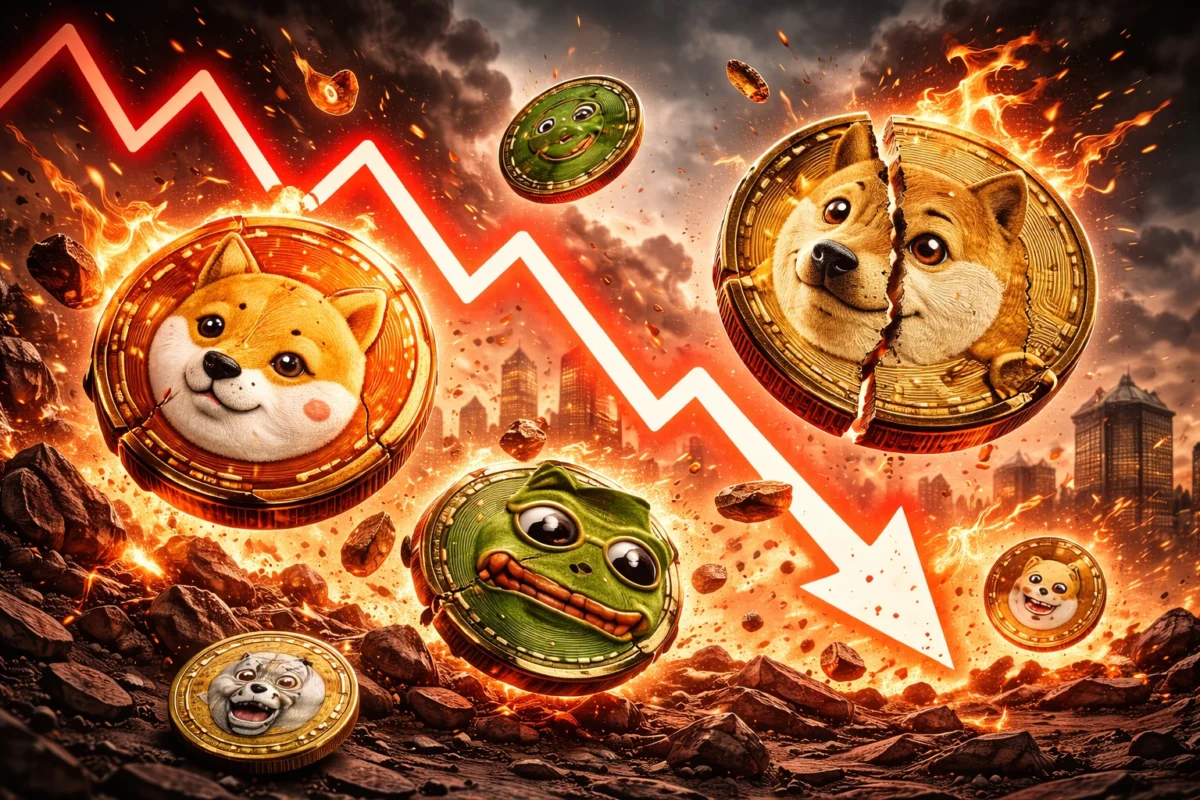
The recent cryptocurrency bull market, famously characterized by the meteoric rise of "Solana meme coin season," saw an unprecedented surge in digital assets that catapulted from obscure market capitalizations in the tens of millions to valuations exceeding a billion dollars, often within a mere few months. This explosive growth, fueled by speculative fervor, viral marketing, and a broad base of retail investors, transformed nascent cryptocurrencies into household names within the digital asset space. However, as the market dynamics shifted and a bear market cycle took hold, these once-soaring billion-dollar meme coins have experienced catastrophic declines, erasing the vast majority of their gains and leaving a trail of significant financial losses for their extensive holder communities. This dramatic downturn underscores the inherent volatility and speculative risks associated with meme coins, particularly those built on high-throughput blockchains like Solana, which facilitate rapid trading and liquidity but offer minimal intrinsic value.
The Rise of Solana Meme Mania: A Confluence of Technology and Hype
Solana emerged as a prime breeding ground for this meme coin explosion due to its foundational technical advantages: exceptionally low transaction fees, high transaction speeds, and a robust developer ecosystem. These features made it an attractive alternative to Ethereum, where gas fees could quickly erode profits for small-scale traders engaging in frequent transactions. The ease of token creation on Solana, combined with the power of social media and influencer marketing, created a perfect storm for assets that relied almost entirely on community hype and viral trends rather than technological innovation or real-world utility.
During the peak of the bull market, roughly spanning late 2023 through mid-2024, the narrative of "getting rich quick" became intoxicating, drawing in a new wave of investors eager to capitalize on the next viral sensation. Platforms like X (formerly Twitter), Telegram, and Discord became central hubs for shilling new projects, coordinating "pump" efforts, and disseminating news, both real and fabricated, to maintain momentum. This period also coincided with a broader upswing in the cryptocurrency market, with Bitcoin and Ethereum reaching new highs, further emboldening speculative capital to flow into riskier, high-reward assets like meme coins. The market was characterized by a "greater fool" theory, where investors bought in the hope that someone else would pay an even higher price, driving valuations to unsustainable levels. Data from CoinGecko indicates that the total market capitalization for meme coins collectively peaked at over $150 billion during this period, a testament to the sheer volume of capital flowing into this highly speculative sector.
A Chronology of Euphoria and Collapse: The Turning Tide
The cryptocurrency market, by its very nature, is cyclical. Following a period of intense bullish activity and speculative exuberance, a correction is often inevitable. For many Solana-based meme coins, this turning point began to manifest significantly in late 2024, as broader market sentiment shifted towards risk-off assets and profit-taking accelerated. What started as minor pullbacks soon cascaded into full-blown crashes, exacerbated by illiquidity and a lack of fundamental support. The rapid ascent had been matched by an equally rapid, if not more brutal, descent. Investors who had enjoyed paper gains in the thousands of percent watched helplessly as their portfolios evaporated, often within weeks or even days. The promise of decentralization and community-driven wealth creation quickly gave way to the harsh realities of market cycles and the precariousness of assets without underlying utility. The cumulative effect was a dramatic deleveraging across the meme coin sector, where attention, rather than innovation, had been the primary currency. The overall meme coin market capitalization plummeted from its peak of over $150 billion to approximately $31 billion, signaling a brutal unwinding of speculative positions.
Case Study: POPCAT’s Meteoric Ascent and Precipitous Fall
Among the most prominent examples of this boom-and-bust cycle is POPCAT. Emerging from the vibrant Solana meme coin ecosystem, POPCAT quickly distinguished itself, not just for its playful feline theme but for its extraordinary growth trajectory. Launched with a market capitalization well below $1 million, POPCAT captured the imagination of the crypto community. Its journey to prominence was marked by a significant milestone in early 2024 when its token price surpassed $1, making it the first cat-themed meme coin to achieve this notable valuation. This achievement was widely celebrated within its rapidly expanding community, signaling a new era for feline-inspired digital assets and momentarily overshadowing the dominance of dog-themed tokens.

The growth did not halt there. In less than one year from its inception, POPCAT’s market capitalization surged past the $2 billion mark, representing one of the most impressive and rapid rallies ever witnessed in the volatile meme coin sector. At its peak, the token traded at approximately $2.05 per coin, transforming early investors into overnight millionaires, at least on paper. This remarkable ascent attracted a vast number of holders, drawn by the allure of quick riches and the coin’s viral appeal, with daily trading volumes often exceeding hundreds of millions of dollars at its zenith.
However, the euphoria was short-lived. Following the broader market downturn that began in late 2024, POPCAT experienced a brutal correction. Its price plummeted by more than 97% from its all-time high. At the time of this report, POPCAT is trading at approximately $0.05 per coin, with its market capitalization having fallen below $50 million. This dramatic reversal categorizes POPCAT as one of the most severe crashes to affect a previously top-tier meme coin, underscoring the extreme fragility of assets built predominantly on hype. The swift and devastating decline serves as a stark reminder of the risks inherent in highly speculative assets, where liquidity can dry up quickly and investor sentiment can shift without warning. The extensive holder base that once celebrated its ascent now grapples with substantial losses, a common narrative in the wake of speculative bubbles.
Case Study: Cats in a Dogs World (MEW) – A Controversial Entry’s Demise
Another notable casualty of the meme coin market correction is Cats in a Dogs World (MEW), an asset whose entry into the market was as dramatic as its subsequent decline. Unlike many meme coins that begin with minuscule valuations, MEW burst onto the scene in early 2024 with a significant initial market capitalization already exceeding $100 million. This unusual launch immediately raised eyebrows within the crypto community, leading to allegations and speculation that it might be a "cabal coin"—a term often used to describe projects suspected of being controlled by a small group of insiders or whales, potentially manipulating the market from the outset. Despite these initial controversies and skepticism, MEW managed to leverage the prevailing bull market sentiment and its unique branding, which playfully positioned cats against the dominant dog-themed meme coins like Dogecoin and Shiba Inu. This narrative resonated with a segment of the market, allowing MEW to continue its upward trajectory. It eventually reached an impressive market capitalization just above $1.2 billion, demonstrating that even assets with controversial origins could thrive during periods of intense speculative interest, reaching peak trading volumes in excess of $500 million per day.
However, similar to POPCAT and other high-flying meme coins, MEW could not withstand the broader market forces that began to exert downward pressure in late 2024. As the bear market conditions intensified and investor confidence waned, MEW’s price began a precipitous decline. Since its peak, the coin has fallen by more than 95%, with its market capitalization currently hovering around a mere $50 million. The rapid erosion of value from over a billion dollars to a fraction of that figure within a short period highlights the extreme vulnerability of even well-capitalized meme coins to market downturns. The initial "fully formed" entry, while providing an early boost, ultimately offered no immunity against the deleveraging forces that swept through the speculative corners of the crypto market. The MEW narrative serves as a cautionary tale about the transient nature of hype-driven valuations and the inherent risks associated with assets lacking tangible utility or robust technological foundations.
Case Study: Peanut The Squirrel (PNUT) – Viral Fame to Financial Fallout
Perhaps the most poignant example of a meme coin born from viral internet culture and subsequently subjected to the market’s unforgiving nature is Peanut The Squirrel (PNUT). The coin’s origin story is rooted in a real-world event: the tragic death of an Eastern gray squirrel named Peanut in 2024. This particular squirrel had achieved viral fame across social media platforms for its unique antics and
