
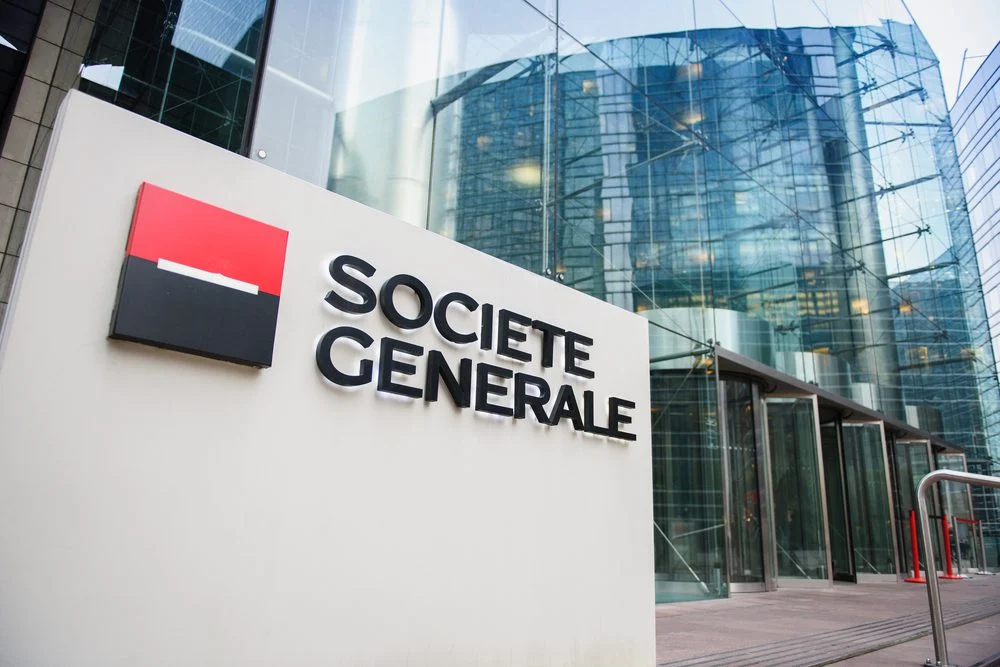
French banking giant Societe Generale is significantly broadening the accessibility of its regulated dollar-denominated stablecoin, the USD CoinVertible (USDCV), by integrating it with the widely used cryptocurrency wallet, MetaMask. This strategic move, announced on Wednesday, April 15, 2026, by Societe Generale-FORGE, the bank’s dedicated digital asset subsidiary, in partnership with blockchain technology firm Consensys, marks a pivotal moment in bridging traditional finance with decentralized digital ecosystems. For the first time, millions of MetaMask users will have direct access to a stablecoin issued by a subsidiary of a major European financial institution, underscoring a growing trend of established banks embracing blockchain technology and digital assets.
A Strategic Alliance for Enhanced Digital Asset Access
The collaboration between Societe Generale-FORGE and Consensys is designed to embed the USDCV token within the MetaMask ecosystem. This integration will allow MetaMask users to leverage the stablecoin for a variety of functions, including seamless on-and-off-ramping of fiat currency, trading of crypto assets, and interaction with decentralized finance (DeFi) protocols. Furthermore, the partnership introduces the "Gas Station" feature, enabling users to pay for blockchain transaction fees using USDCV, thereby simplifying the user experience within the decentralized web.
Joseph Lubin, co-founder of Ethereum and founder and CEO of Consensys, highlighted the significance of this development in a statement released by the bank: "We’re at an inflection point in how value moves and how financial systems are structured. Stablecoins are an important part of that evolution, helping bridge traditional frameworks and decentralized infrastructure. At Consensys, we’re focused on helping steward that shift by building open, global, interoperable infrastructure that expands access, unlocks innovation, and enables more dynamic and user-centric financial experiences."
This sentiment reflects a broader industry recognition of stablecoins as crucial components for the future of finance, facilitating smoother transactions and greater interoperability between legacy financial systems and the burgeoning world of blockchain.
Timeline of Societe Generale’s Stablecoin Initiatives
Societe Generale’s foray into the stablecoin market has been a deliberate and progressive endeavor. The bank first introduced its dollar-pegged stablecoin, USD CoinVertible, in April 2025, making it one of the first major lenders globally to launch such a product. This was preceded by the unveiling of a euro-pegged stablecoin by SG-FORGE in 2023, demonstrating a strategic approach to offering stablecoin solutions across key fiat currencies.
The progression can be mapped as follows:
- 2023: Societe Generale-FORGE launches its first stablecoin, a euro-pegged digital asset, signaling the bank’s initial commitment to the digital asset space.
- April 2025: The bank introduces the USD CoinVertible (USDCV), a dollar-pegged stablecoin, marking a significant expansion of its stablecoin offerings and positioning itself as a leader among traditional financial institutions in this emerging market.
- April 15, 2026: Societe Generale-FORGE announces its partnership with Consensys to integrate USDCV into the MetaMask wallet, dramatically expanding access and utility for millions of users worldwide.
This chronological overview illustrates Societe Generale’s sustained investment and innovation in the stablecoin landscape, moving from initial product launches to broader integration and accessibility.
The Evolving Landscape of Bank-Issued Stablecoins
The increasing involvement of traditional banks in issuing stablecoins is a testament to the evolving financial landscape. Earlier in 2026, PYMNTS analysis highlighted that the market for bank-issued stablecoins is unlikely to follow a "one-size-fits-all" model. Instead, it is segmenting based on specific functionalities and use cases. These include tokens designed for interbank settlement, asset servicing, corporate treasury management, and cross-border transactions. The choice of blockchain, programmability features, interest-bearing capabilities, and access controls are all critical design considerations that inform the specific purpose of each stablecoin.
Biswarup Chatterjee, Global Head of Partnerships and Innovation, Citi Services at Citi, shared his perspective with PYMNTS earlier in the year: "We don’t start with the asset. We typically start with our client need, and then we look at the pros and cons of each type of asset or financing instrument." This client-centric approach underscores how financial institutions are strategically developing digital asset solutions to meet diverse market demands.
Trust and Institutional Safeguards: The Bank Advantage
Research by PYMNTS has also explored why businesses often prefer to engage with stablecoins through banks rather than directly with crypto wallets. The primary driver is the inherent trust and institutional safeguards that banks provide. Chief Financial Officers (CFOs) often find this layer of familiarity and security more appealing.
According to a PYMNTS report, "They offer established custody frameworks, standardized reporting and compliance processes that align with existing audit requirements. When stablecoins are accessed through a bank, they are effectively wrapped in the institutional safeguards that finance teams depend on." This suggests that the integration of stablecoins by major banks like Societe Generale not only expands access but also lends a crucial layer of credibility and regulatory assurance to the digital asset space, potentially accelerating broader institutional adoption.
Implications and Future Outlook
The integration of Societe Generale’s regulated stablecoin with MetaMask has far-reaching implications. For individual users, it means easier and more secure access to a fiat-backed digital asset within a familiar wallet interface, potentially lowering the barrier to entry for those looking to engage with DeFi and other blockchain-based applications. For financial institutions, it signifies a growing willingness to embrace and integrate digital assets into their core offerings, signaling a future where traditional finance and decentralized finance operate in closer proximity.
This move by Societe Generale could set a precedent for other major banks, encouraging them to explore similar partnerships and integrations. The collaboration also highlights the maturation of the stablecoin market, moving beyond niche applications to become a more integrated part of the global financial infrastructure. The emphasis on a "regulated stablecoin" by a major European bank also points to the increasing importance of compliance and regulatory frameworks in the digital asset space, a trend that is likely to continue as the market evolves.
The partnership between Societe Generale-FORGE and Consensys is a concrete example of how established financial players and blockchain technology leaders can collaborate to drive innovation and expand the utility of digital assets. As more such integrations occur, the lines between traditional and decentralized finance will likely continue to blur, leading to a more interconnected and efficient global financial system. The USD CoinVertible, now readily available through MetaMask, is poised to play a significant role in this ongoing transformation.
