
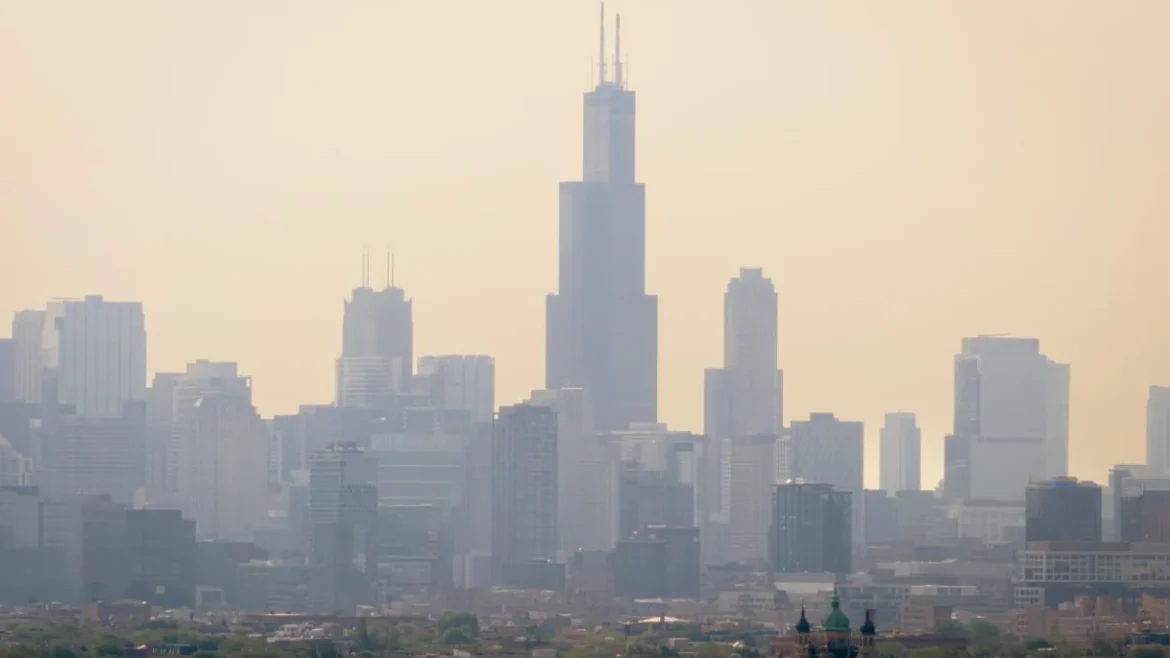
The escalating frequency and intensity of wildfire seasons across North America have transformed indoor air quality from a secondary domestic concern into a primary health imperative. As the climate crisis intensifies, the traditional boundary between outdoor smog and indoor safety has become increasingly porous. Research from the Yale Climate Connections indicates that the 2026 wildfire season has already reached historic levels of pollution, with smoke plumes from Canadian and Western U.S. forests drifting thousands of miles to engulf major metropolitan hubs. While individuals have little agency over the atmospheric conditions of their cities, the implementation of high-efficiency particulate air (HEPA) filtration systems provides a critical line of defense for the home environment.

The Science of Infiltration and Particulate Matter
A common misconception regarding wildfire smoke is that standard residential structures are airtight. In reality, particulate matter—specifically PM 2.5—is significantly smaller than a human hair, often measuring between 20 to 30 times thinner. These microscopic solids and liquid droplets can seep into homes through window seams, door frames, ventilation systems, and even electrical outlets.
Particulate matter is categorized by size. PM 10 includes larger particles like dust and pollen, which are generally trapped in the upper respiratory tract. However, PM 2.5 represents a more insidious threat. Because these particles are small enough to bypass the body’s natural filtration systems in the nose and throat, they can travel deep into the lungs and enter the bloodstream. According to data from Yale Medicine, systemic exposure to PM 2.5 is linked to an increased risk of cardiovascular disease, cognitive decline, and certain cancers. Furthermore, the U.S. Centers for Disease Control and Prevention (CDC) warns that wildfire smoke contains a complex mixture of gases and fine particles that can trigger oxidative stress, damaging the skin barrier and exacerbating pre-existing conditions such as asthma, diabetes, and heart disease.

The Role of HEPA and Specialized Filtration
The primary technology utilized to combat these risks is the HEPA filter. To meet the industry standard, a HEPA filter must be capable of removing at least 99.97% of dust, pollen, mold, bacteria, and any airborne particles with a size of 0.3 microns. In the context of wildfire smoke, this filtration is often paired with activated carbon layers designed to adsorb volatile organic compounds (VOCs) and the persistent odors associated with woodsmoke.
Recent testing of market-leading units reveals that while many devices claim to "purify" the air, only those with verified HEPA certifications and adequate Clean Air Delivery Rates (CADR) are effective during high-smoke events. The following analysis details the top-performing units based on hands-on residential testing, evaluating their efficiency, longevity, and specialized features.

Leading Solutions for Large-Scale Air Purification
For expansive living areas or open-concept homes, the volume of air that requires processing necessitates high-capacity units.
The Coway Airmega Mighty has long been regarded as an industry benchmark. Capable of covering up to 1,748 square feet, it utilizes a sophisticated four-stage filtration system. A notable advancement for this model is the "Intense Smoke Filter," a specialized component designed specifically for wildfire-prone regions. While this filter is an optional upgrade, third-party testing suggests it significantly enhances the sequestration of harmful pollutants compared to standard HEPA filters. This makes it a primary recommendation for individuals with chronic respiratory concerns.

Similarly, the Shark NeverChange Air Purifier Max addresses the logistical challenges of large-space maintenance. The unit is rated for 1,400 square feet and features a HEPA filter engineered to last up to five years. This longevity represents a significant shift in the economic landscape of air purification, as the recurring cost of filter replacements often exceeds the initial price of the device. The Shark unit also incorporates "Clean Sense IQ," a real-time monitoring system that provides a numerical percentage of air quality, allowing users to see the immediate impact of the machine’s operation.
Targeted Protection for Vulnerable Populations and Small Spaces
The impact of wildfire smoke is not uniform across all demographics. Children, pregnant individuals, and the elderly are classified as high-risk groups. Furthermore, household pets often exhibit sensitivity to air quality long before humans notice physical symptoms.

The Levoit Sprout Air Purifier is a specialized unit designed for nurseries and children’s rooms. Beyond its primary filtration duties—which include a three-stage pre-filter and a HEPA core—the Sprout offers a comprehensive suite of environmental sensors. It tracks CO2 levels, Total Volatile Organic Compounds (TVOCs), and multiple tiers of particulate matter (PM 1.0, 2.5, and 10). By integrating a nightlight and white noise machine, it serves as a multi-functional hub for pediatric health.
For pet owners, the Dreame FP10 (also known as the Furcatcher) addresses a specific mechanical failure point: filter clogging. Pet hair and dander can quickly saturate a HEPA filter, rendering it ineffective against smoke. The FP10 utilizes a unique "Furcatch" roller that physically removes hair from the filter surface, maintaining airflow and extending the life of the HEPA core for up to two years. Its design is also structurally reinforced to support the weight of pets who may attempt to sit on the unit, a common behavior observed during testing.

In smaller environments such as home offices or dormitories, the Shark NeverChange Compact Pro offers a balance of aesthetics and efficiency. Despite its small footprint, it retains the five-year filter life of its larger counterparts and operates at a decibel level low enough to remain unobtrusive during professional video calls or sleep.
Multi-Functional Units and Smart Integration
The modern air purifier is increasingly becoming a year-round appliance rather than a seasonal emergency tool. Units that offer heating and cooling capabilities provide higher utility during the months when wildfire smoke is not a primary threat.

The Blueair ComfortPure 3-in-1 functions as a heater, fan, and air purifier simultaneously. Its design features a magnetic filter closure and a portable handle, reflecting a focus on user experience. The associated Blueair app includes "geofencing" capabilities, which can trigger the device to enter high-performance mode when the user is within 15 minutes of arriving home, ensuring the indoor air is scrubbed before entry.
For those prioritizing medical-grade assurance, the LG PuriCare AeroTower holds a rare certification from the Asthma and Allergy Foundation of America. This tower-style unit is capable of performing four complete air changes per hour in a standard room, a metric that provides significant peace of mind during peak AQI alerts. It also includes a deodorizing carbon filter to neutralize the smell of smoke and common household odors.

Economic and Health Implications of Long-Term Exposure
The shift toward permanent indoor air filtration is backed by sobering economic data. The healthcare costs associated with respiratory and cardiovascular ailments triggered by air pollution are mounting. A brief fact-based analysis suggests that the investment in a $200 to $600 air purifier is a preventative measure that may offset thousands of dollars in medical expenses over time.
Furthermore, the psychological impact of "AQI anxiety"—the stress associated with monitoring air quality maps—can be mitigated by the presence of reliable indoor sensors. When an air purifier displays a "100% Clean" reading, it provides a psychological sanctuary for residents who feel overwhelmed by the environmental degradation outside their doors.

Conclusion and Testing Methodology
The selection of these specific models followed rigorous hands-on testing in residential settings. The primary criteria included:
- Filtration Integrity: Only units with true HEPA filters were considered, excluding "HEPA-type" or "HEPA-like" filters that lack standardized performance metrics.
- Maintenance Scalability: Preference was given to units with pre-filters, which extend the life of more expensive internal components by capturing large debris.
- Operational Acoustics: Because wildfire smoke often requires purifiers to run 24/7, noise levels were measured to ensure they did not disrupt daily life.
- Data Transparency: Units that provide real-time metrics (PM 2.5 levels) were ranked higher than those using vague color-coded systems.
As the 2026 wildfire season continues to challenge public health infrastructure, the adoption of localized air purification technology remains the most effective strategy for individual respiratory protection. While the global community works toward long-term climate solutions, the immediate priority remains the preservation of the air we breathe within the four walls of our homes.
