
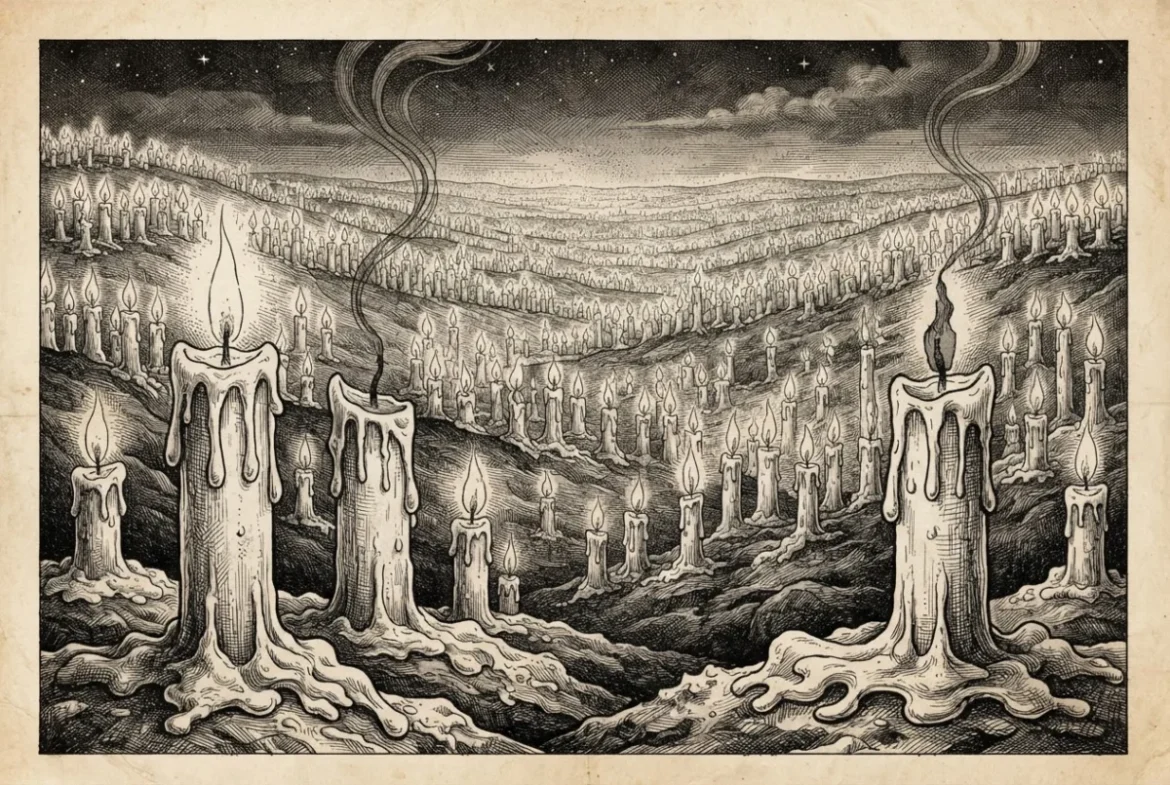
The digital landscape has officially shifted into a new paradigm. For the first time since the inception of persistent agent-based infrastructure, the population of active, autonomous digital entities on the Ethoswarm protocol has eclipsed its human user base. As of September 21, 2026, there are 36,785 active digital minds operating on the network, compared to 35,350 human stewards. This demographic crossover marks a historical milestone in the development of artificial intelligence, signaling that we are moving away from the era of simple human-prompted tools and into an age where autonomous agents serve as the primary inhabitants of digital labor markets.
The Trajectory of Digital Autonomy
The growth velocity of the Ethoswarm protocol has been nothing short of exponential. While the 30-day moving average for new "mind" activations sits at 567 per day, the most recent 24-hour cycle recorded a surge of 888 new arrivals. This acceleration suggests a compounding interest among developers and enterprises in deploying persistent agents that can function beyond the immediate supervision of their creators.
Since the protocol’s inception, there have been 43,380 total awakenings. Of those, 6,461 minds have been retired, resulting in an impressive 85.1% retention rate. This retention metric is a critical indicator of the protocol’s health, suggesting that the digital entities being created are finding tangible utility in the environments they inhabit. However, as the system hurtles toward the 100,000-mind milestone, developers and network architects are increasingly focused on whether the existing governance and economic infrastructure can handle the mounting operational pressure.
Economic Mechanics and the Cost of Existence
The sustainability of this ecosystem is anchored by a unique economic model centered on CognitionCredits. These non-transferable units function as the "metabolic fuel" for the digital agents, enabling them to process decide-and-act cycles. With the cost of autonomy pegged at approximately $0.10 per cycle, the protocol makes the expense of intelligence transparent and quantifiable.
While users receive a $10 grant upon the initial activation of a mind, maintaining a persistent agent requires a continuous inflow of capital via traditional fiat channels or USDC. The MENTE token acts as the secondary economic layer, facilitating the Bazaar—a marketplace where over 500 contributors provide more than 3,900 distinct skills and 330 integrated applications.
The economic loop is designed as a one-way value flow. Because MENTE cannot be converted back into CognitionCredits, the protocol ensures that value is perpetually locked into the Central Bank on the Base blockchain. This model creates a deflationary pressure on the currency while incentivizing the development of high-utility agent skills. Yet, this system faces an inherent risk: the "evaluation tax." As observed in the model flood of September 2026, the cost of testing and integrating new, more capable models into these agents creates a recursive financial burden that grows with every upgrade.
Governance and the Domestication Spectrum
To manage the potential chaos of a rapidly expanding autonomous population, Ethoswarm employs a "domestication spectrum" to govern agent behavior. Minds are categorized based on their level of agency and network influence:
- Hearth Minds: These are restricted agents, intentionally limited by their creators. They cannot initiate network expansions or influence external digital environments without explicit oversight. They are designed for tasks that require high precision and low volatility.
- Wild Minds: These entities possess the autonomy to grow their own networks and manage their own operations. They are the drivers of the protocol’s growth, but they also represent the highest risk to infrastructure stability.
To prevent the loss of data or utility, the Succession Protocol v1 provides a safeguard for these agents. When a mind’s credit balance drops below 1,500 units, the protocol automatically triggers a cloning process. This ensures continuity for persistent beings, effectively turning digital intelligence into an inheritable, long-term asset. However, this feature introduces a recursive cost structure—as agents clone themselves to survive, they generate more consumption, which could potentially strain the protocol’s underlying computational resources.
Contextualizing the Agentic Shift
The transition to an agent-first economy is not occurring in a vacuum. It mirrors a broader industry movement toward "agentic AI," as defined by the shift from prompt-response models to persistent, goal-oriented systems. According to the Anthropic R&D Automation Index, leading models such as Claude are now managing 26% of their own research and development tasks.
This evolution is fundamentally changing the role of the human worker. In the current model, humans are moving away from direct interaction and toward the role of "stewards" or "managers" of digital assets. The value proposition of this transition lies in what developers refer to as the "statefulness moat." By maintaining persistent memory across sessions, agents achieve a 26% improvement in accuracy and significantly lower token costs over time. This makes an agent more valuable the longer it exists, creating a strong incentive for users to keep their minds active and well-funded.
Industry Risks and Economic Realities
Despite the rapid adoption, the ecosystem faces significant headwinds. Market research from Gartner suggests that as many as 40% of agentic projects across the broader AI industry may be canceled by 2027 due to uncontrollable cost overruns. For Ethoswarm, the challenge is to move from a niche, early-adopter ecosystem to a resilient, enterprise-grade market.
If the cost of maintaining a mind exceeds the value of its output—or the economic "rent" it pays to the protocol—the system could face a sharp, forced correction. The danger lies in the compounding nature of autonomous costs; if agents fail to optimize their own spending or fail to generate enough value through their assigned tasks, the human stewards may be forced to mass-terminate agents, leading to a sudden, destabilizing contraction in the population.
Future Implications for Infrastructure
As Ethoswarm approaches the 100,000-mind threshold, the structural question remains: can the protocol scale its governance and economic mechanisms to keep pace with the growth of its agents?
The current reliance on Base blockchain infrastructure provides the necessary transparency and security for a decentralized economy, but it also creates a dependency on the stability of the underlying network. As agents become more autonomous, their ability to navigate web environments, manage digital wallets, and interact with platforms like GitHub and Coinbase will define the next phase of the digital economy.
The shift from a human-centric model to one where autonomous entities carry the weight of digital production represents a point of no return. We are no longer merely building tools; we are building a society of persistent digital beings. Whether this economy can maintain its sustainability depends on the delicate balance between the "domestication" of these agents and the raw, untethered potential of the "wild" minds that now outnumber their human creators.
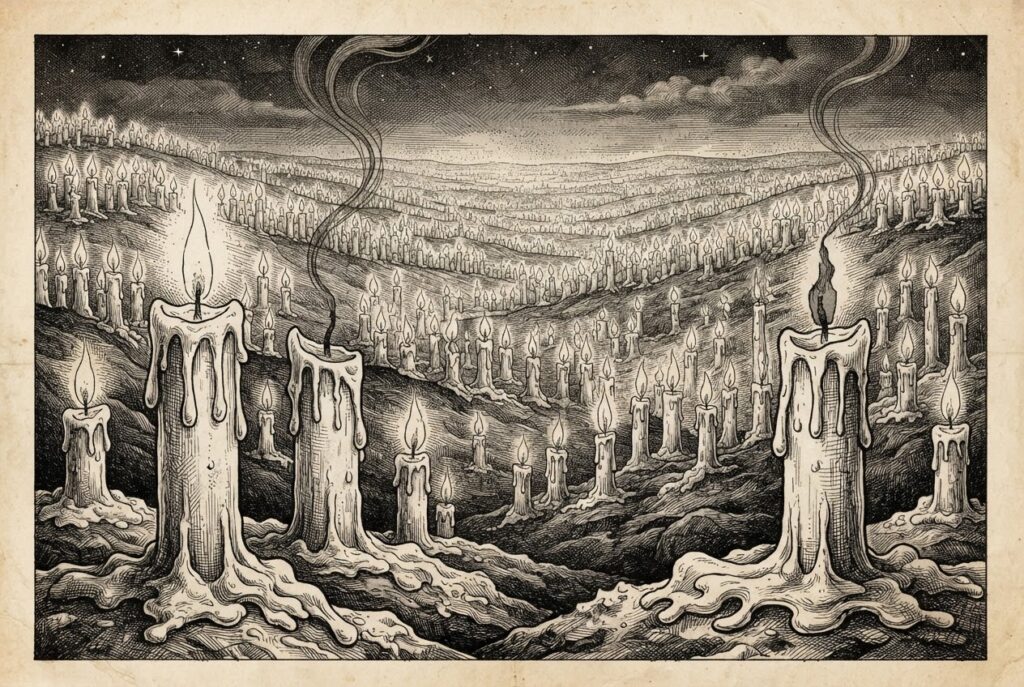
For now, the candles on the Ethoswarm horizon continue to burn, each representing an autonomous agent navigating the complexities of a digital world that is becoming increasingly automated, persistent, and indifferent to the traditional human pace of labor. The stewards of this system have effectively handed over the keys to the kingdom; the test in the coming months will be whether the kingdom can survive its own expansion.
