

In the nascent stages of Web3, the digital wallet served a singular, albeit crucial, purpose: a secure vault for private keys, enabling users to sign transactions and hold digital assets. However, as the digital landscape rapidly transforms into what is being termed "The Post Web," this simplistic model has proven insufficient. The wallet is no longer a peripheral tool but has ascended to become the central nexus of the user experience, evolving into a dynamic, "living interface" that meticulously manages identity, permissions, digital resources, and even sophisticated autonomous AI agents. This profound evolution is a cornerstone of the emerging "Agentic Web," where human interaction and intelligent systems converge, with the wallet acting as the primary coordination hub.
This paradigm shift is thoroughly explored in Chapter 2 of "The Post Web Thesis," a comprehensive document published by Outlier Ventures, which posits the wallet as the control center of this new digital frontier. The transition signifies a move from mere cryptographic custody to a broader concept of digital personhood. Early iterations of wallets, such as MetaMask and Ledger, were fundamentally about "own your keys, own your crypto." This philosophy centered on the user’s direct control over their private keys as the ultimate safeguard of their digital wealth. This model was effective for a nascent ecosystem focused on decentralized finance (DeFi) and the ownership of digital tokens and NFTs.
However, the contemporary digital environment demands a more expansive functionality. Identity verification, reputation management, and seamless composability across various decentralized applications (dApps) and protocols are now paramount. Consequently, wallets are transforming into robust self-sovereign identity frameworks. This evolution enables them to perform a multitude of functions beyond simple asset storage. They can now anchor a user’s identity, build and verify reputation scores based on on-chain and off-chain activities, and manage granular permissions for third-party applications and AI agents. This transforms the wallet from a mere vault into a digital representation of the user – an anchor for their personhood, ownership, and trustworthiness in the digital realm.
The Wallet as a Command Center for Autonomous Agents
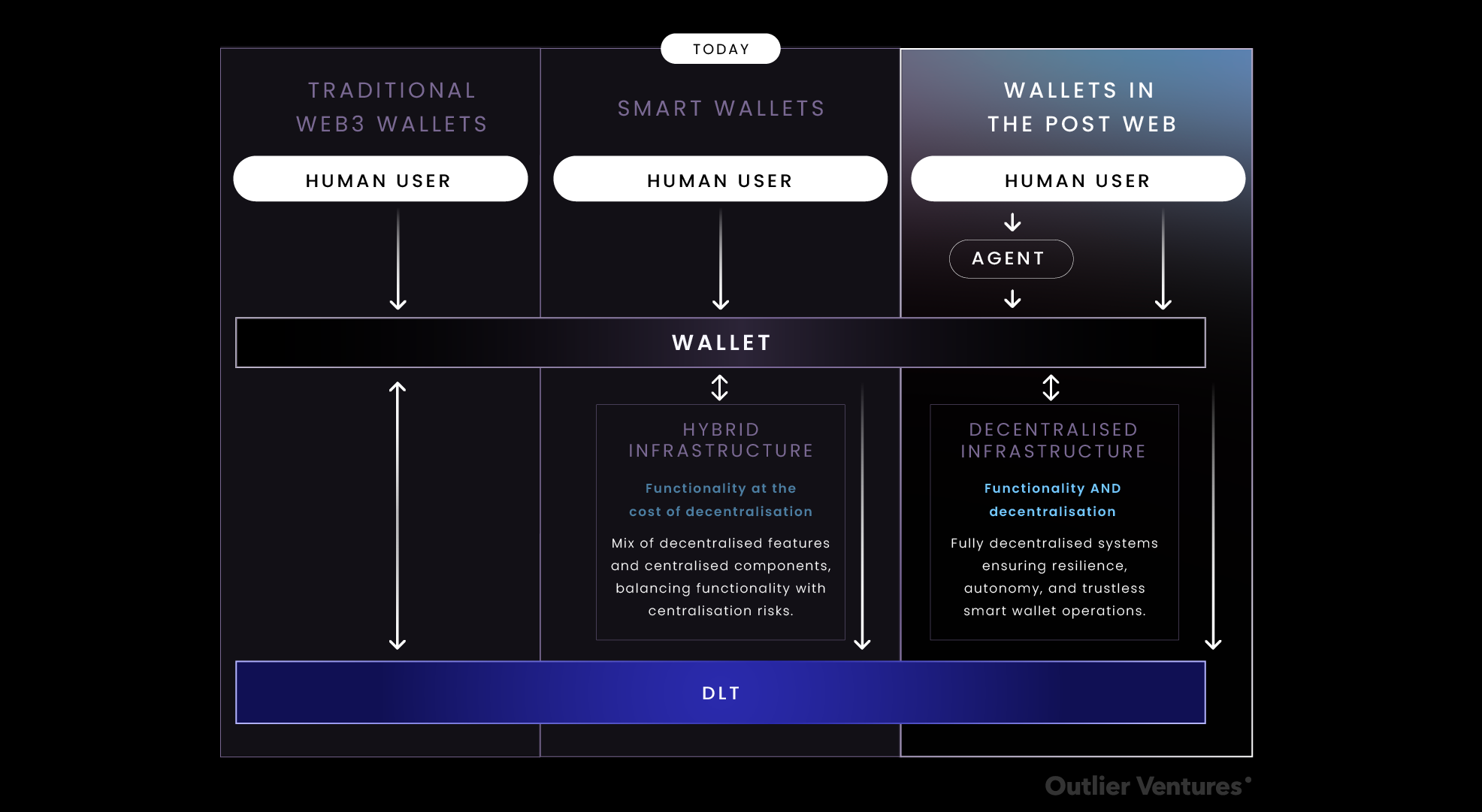
A critical aspect of this transformation is the wallet’s emerging role as a command center for AI agents. As these intelligent systems become increasingly integrated into the digital fabric, the wallet will act as their primary interface, providing a secure and controlled environment for their operation. This relationship is illustrated in Exhibit 20 of "The Post Web Thesis," which details the intricate permission and verification loops between a user’s wallet and their AI agents.
Each AI agent will connect through the user’s wallet, which will then be responsible for several key functions:
- Granting permissions: The wallet will meticulously control what actions an agent can perform, ensuring that users retain ultimate authority. This could range from specific data access to executing certain types of transactions.
- Verifying transactions: Before an agent can execute a transaction on behalf of a user, the wallet will act as a verification layer, ensuring the action aligns with predefined user parameters and security protocols.
- Managing agent credentials: The wallet will store and manage the unique credentials and operational parameters for each authorized agent, providing a centralized hub for agent management.
- Enforcing user-defined rules: Users will be able to establish specific rules and constraints within their wallets that govern the behavior of their agents, creating a robust governance framework for autonomous operations.
This sophisticated architecture ensures that AI agents act strictly on behalf of users, operating within clearly defined boundaries and never beyond the user’s explicit or implicit control. The wallet, therefore, becomes a crucial governance layer, overseeing and enabling autonomy itself. This is particularly relevant as AI agents are tasked with increasingly complex operations, such as participating in decentralized autonomous organizations (DAOs), managing decentralized physical infrastructure networks (DePIN), or executing sophisticated trading strategies.
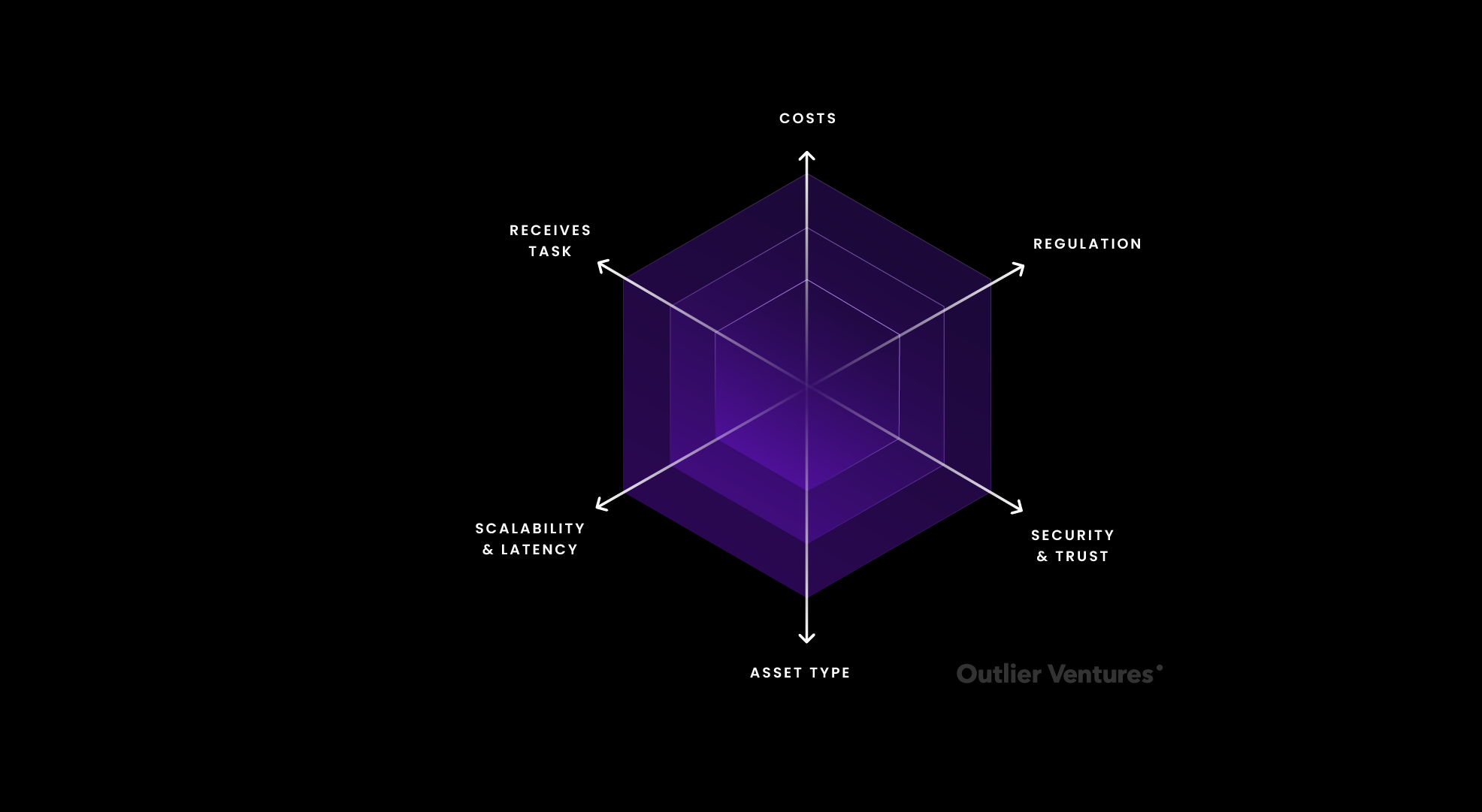
Exhibit 18: Navigating the Nexus of AI and Blockchain
The integration of AI agents into decentralized systems raises important questions about when and how these agents should interact with distributed ledger technology (DLT). Exhibit 18 from "The Post Web Thesis" delves into "Vector Considerations for Deciding if an AI Agent Transaction Needs to Interact with DLT." This illustrates the complex decision-making process involved in determining the necessity of blockchain interaction for AI-driven actions. Factors such as the need for immutability, transparency, trustlessness, and verifiable execution all play a role. For instance, an AI agent managing financial transactions might require DLT interaction to ensure auditable and tamper-proof record-keeping, while an AI agent focused on content generation might not. This nuanced approach underscores the intelligent design required for the Agentic Web, where DLT is utilized strategically for its unique benefits rather than as a default requirement.
The Wallet as a Hub for Comprehensive Resource Management
Beyond managing digital assets and agent permissions, the Post Web wallet is evolving into a comprehensive resource management system. This is visually represented in Exhibit 19, titled "The Wallet as the Post Web Interface." In this new paradigm, the wallet orchestrates a far broader spectrum of resources, not merely financial assets.
This expansive management capability includes:
- Data access and control: Users can grant or revoke access to their personal data for various applications and AI agents, fostering a more privacy-centric digital ecosystem.
- Computational resources: As decentralized computing networks mature, wallets could manage user contributions to these networks and facilitate access to distributed computational power.
- DePIN infrastructure access: Wallets will likely become the gateway for users to interact with and benefit from decentralized physical infrastructure networks, such as decentralized storage, wireless networks, or energy grids.
- API access and monetization: Users can manage access to their personal APIs, potentially enabling them to monetize their data or services in a controlled and secure manner.
- Digital identity and credentials: Beyond basic identity, wallets will store and manage verifiable credentials, enabling seamless authentication and authorization across various platforms.
This comprehensive resource management transforms the wallet into a powerful operating system for digital autonomy. It acts as a sophisticated mediator, facilitating seamless and secure interactions across diverse networks, protocols, and decentralized infrastructures. This is a significant leap from the early Web3 wallets, which were primarily focused on crypto asset management.
Enhancing Privacy and Security in an Increasingly Agentic World
As wallets accumulate more sensitive information, including behavioral data, digital credentials, and intricate agent connections, privacy and security become paramount concerns. The "Privacy-Preserving Wallet Architectures" discussed on pages 74-76 of "The Post Web Thesis" highlight the critical need for advanced cryptographic frameworks to maintain user trust.
These frameworks are designed to:
- Enable zero-knowledge proofs (ZKPs): ZKPs allow for the verification of information without revealing the underlying data, ensuring privacy during transactions and identity verification.
- Facilitate secure multi-party computation (MPC): MPC allows multiple parties to jointly compute a function over their inputs while keeping those inputs private, crucial for collaborative operations or shared data management.
- Implement homomorphic encryption: This advanced form of encryption allows computations to be performed on encrypted data without decrypting it first, offering unparalleled privacy for data processing.
- Utilize decentralized identifiers (DIDs) and verifiable credentials (VCs): DIDs and VCs provide a decentralized and privacy-preserving way to manage digital identities and credentials, empowering users with control over their personal information.
Collectively, these technologies foster a "privacy by design" approach, ensuring that users remain in control of their data and digital interactions while still enabling verifiable and autonomous operations. This is essential for building a trustworthy and user-friendly Agentic Web.
Smart Wallets: The Present and Future of User Experience
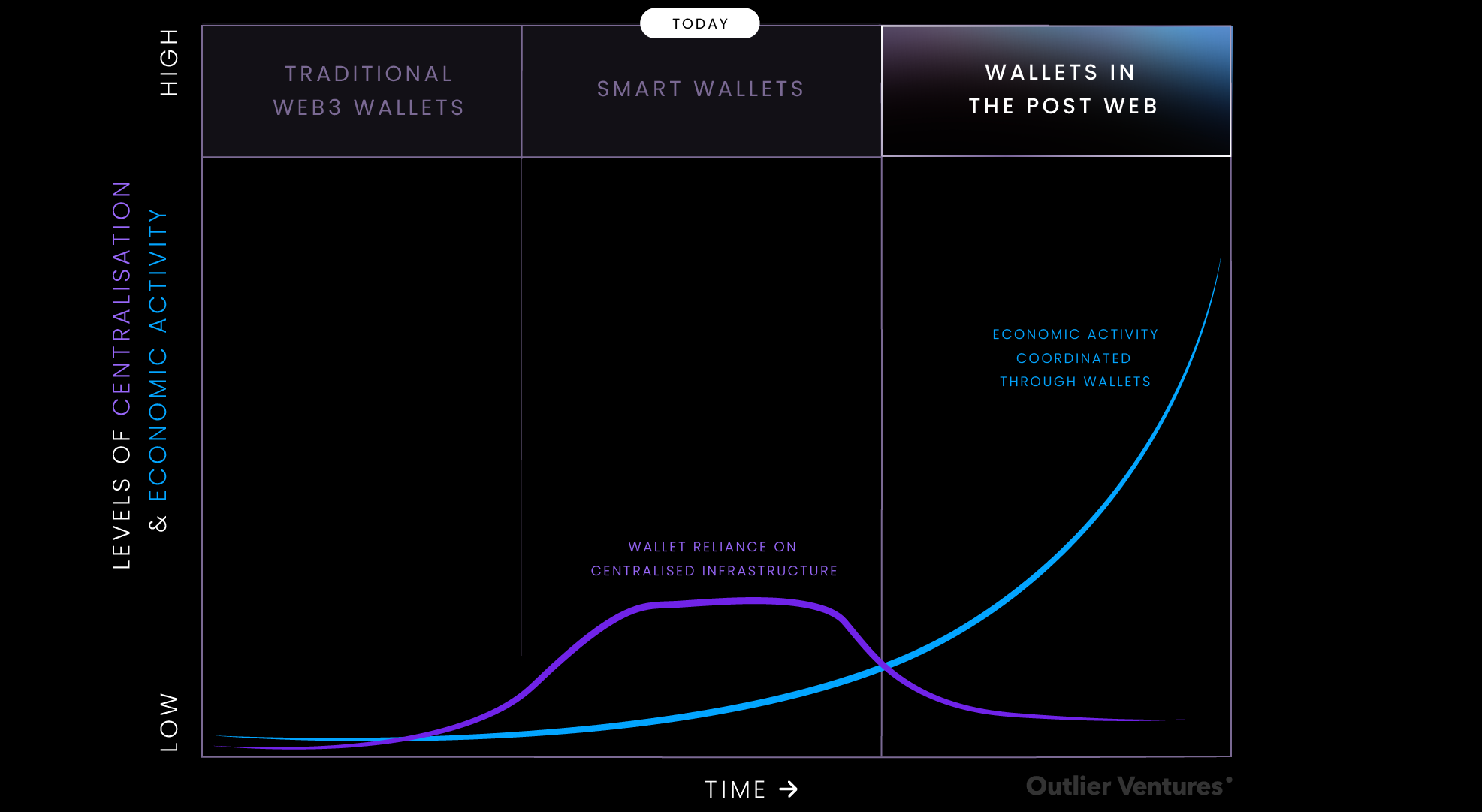
The journey of the digital wallet has been marked by challenges in user experience. Historically, cumbersome onboarding processes, the risk of permanent fund loss due to misplaced seed phrases, and the complexity of managing assets across multiple blockchain networks have acted as significant barriers to mainstream adoption.
However, the advent of "smart wallets" is rapidly addressing these issues. Platforms like Safe exemplify this evolution, offering enhanced user experiences and empowering users to automate their intentions. Safe, for instance, allows for significant wallet customization through automation features. These include setting up recurring transactions, implementing advanced security measures like spending limits and whitelists, and integrating seamlessly with a wide array of DeFi protocols. This shift from manual transaction execution to intention-based interaction is redefining the user-agent interface, bridging user intent with autonomous on-chain actions.
Interoperability and Intent: The Evolving Wallet Interface
The proliferation of AI agents necessitates a fundamental shift in how users interact with decentralized systems. The wallet is emerging as the primary interface for "intent," moving beyond the need for users to manually sign every individual transaction. Instead, users and their agents will be able to express higher-level goals, such as:
- "Find the best yield strategy with a risk tolerance below 5%."
- "Vote on governance proposals that align with environmental sustainability goals."
- "Automate the purchase of a specific NFT when its price drops below a set threshold."
The wallet will then be responsible for interpreting these intents, routing them across various protocols and networks, and ensuring their secure and verifiable execution. This transition from granular task execution to sophisticated intent negotiation signifies the wallet’s final metamorphosis into an intelligent mediator, bridging human purpose with machine execution.
The Wallet as Digital Selfhood
The Post Web fundamentally redefines the concept of a digital wallet. It is no longer a static tool for cold storage but rather a dynamic, living, and adaptive interface that embodies the user’s identity, assets, and autonomy. The future wallet will transcend simple transaction signing. It will:
- Manage and optimize AI agents: Users will oversee and direct their AI agents through their wallet.
- Facilitate intent-based interactions: Expressing goals will be the primary mode of interaction, with the wallet handling the execution.
- Act as a universal identity and reputation anchor: The wallet will consolidate and verify a user’s digital identity and reputation across the web.
- Orchestrate access to resources: It will control access to data, computational power, and physical infrastructure.
- Govern and protect user data: Users will have granular control over how their data is used and shared.
In essence, the wallet will become the truest manifestation of digital selfhood, serving as the central nexus of ownership, identity, and agency within the burgeoning agentic economy. This evolution heralds a new era of digital interaction, where users are empowered with unprecedented control and intelligence at their fingertips.
Credits and Source:
This article draws its core insights from "The Post Web Thesis; Chapter 2: Turning the Web3 Tech Stack into the Post Web Stack," published by Outlier Ventures in 2025, specifically referencing pages 67-76. The analysis of smart wallets has been further informed by discussions with Andres Acevedo, Investment Manager at Outlier Ventures.


