
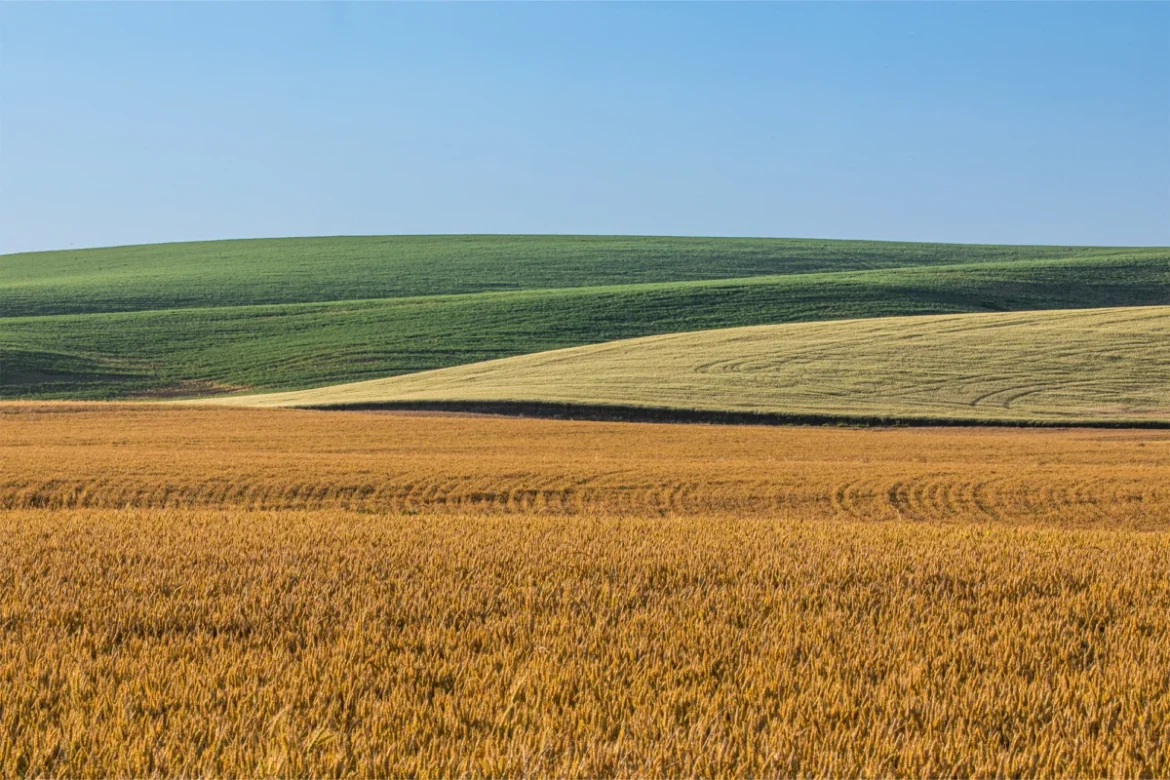
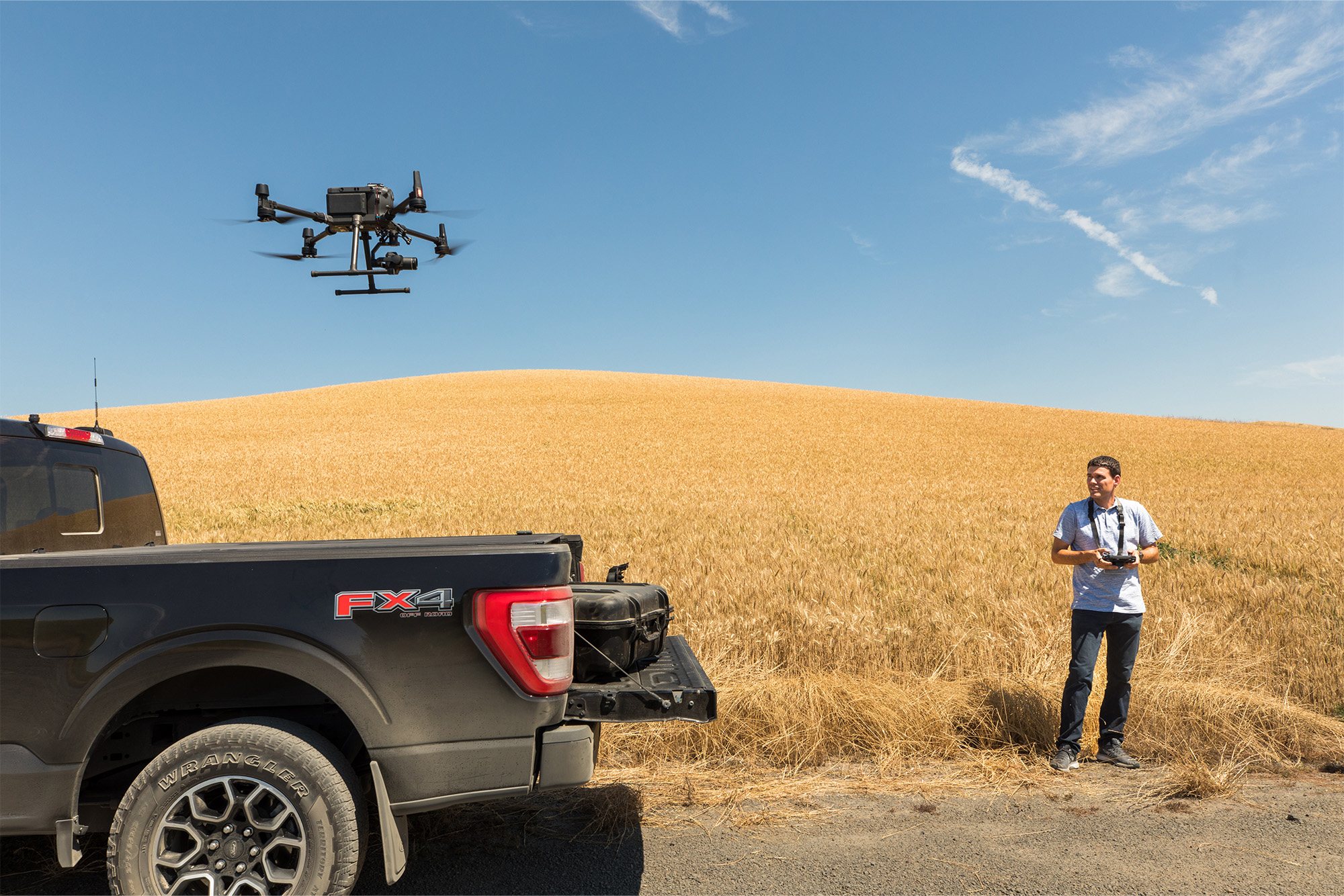
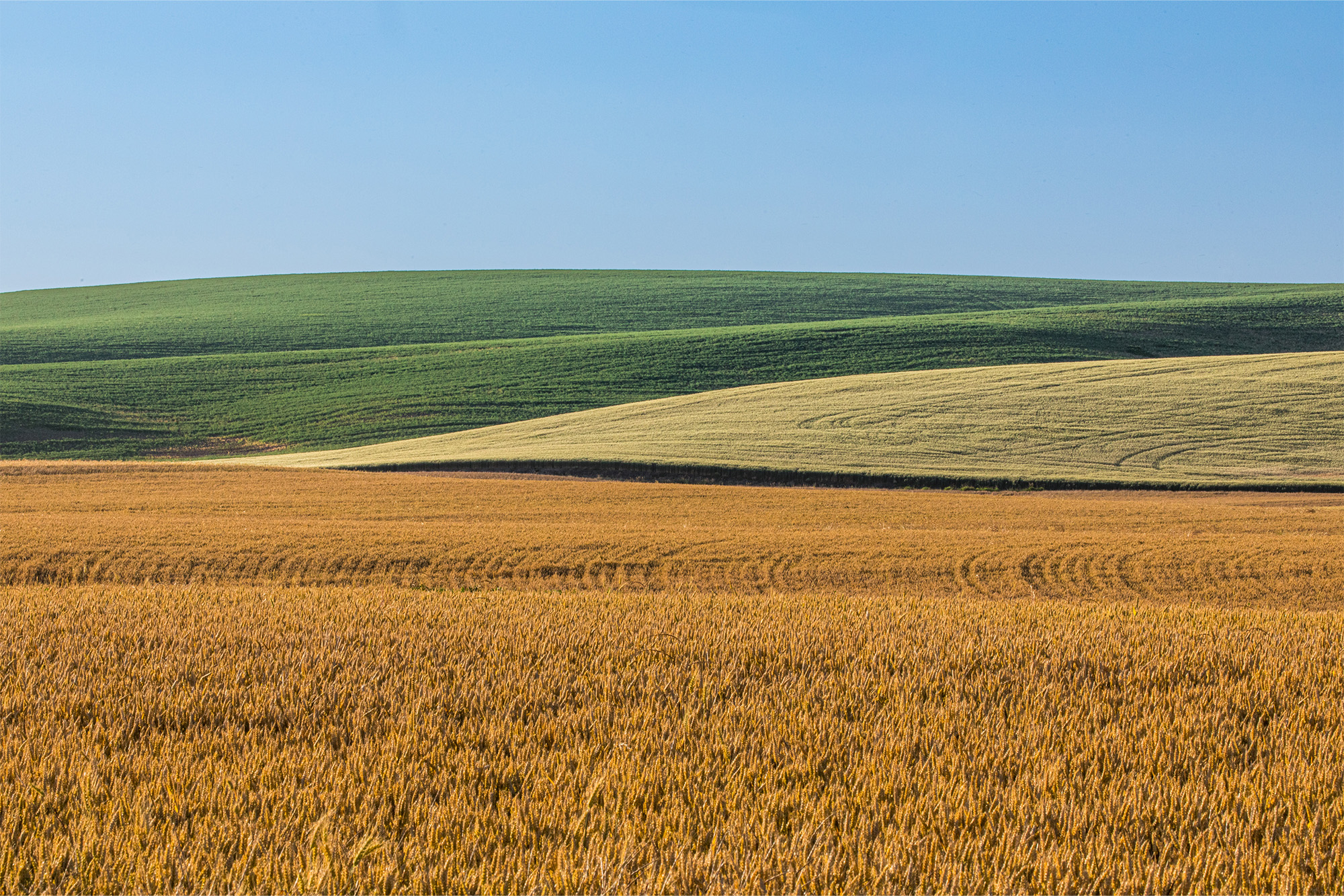
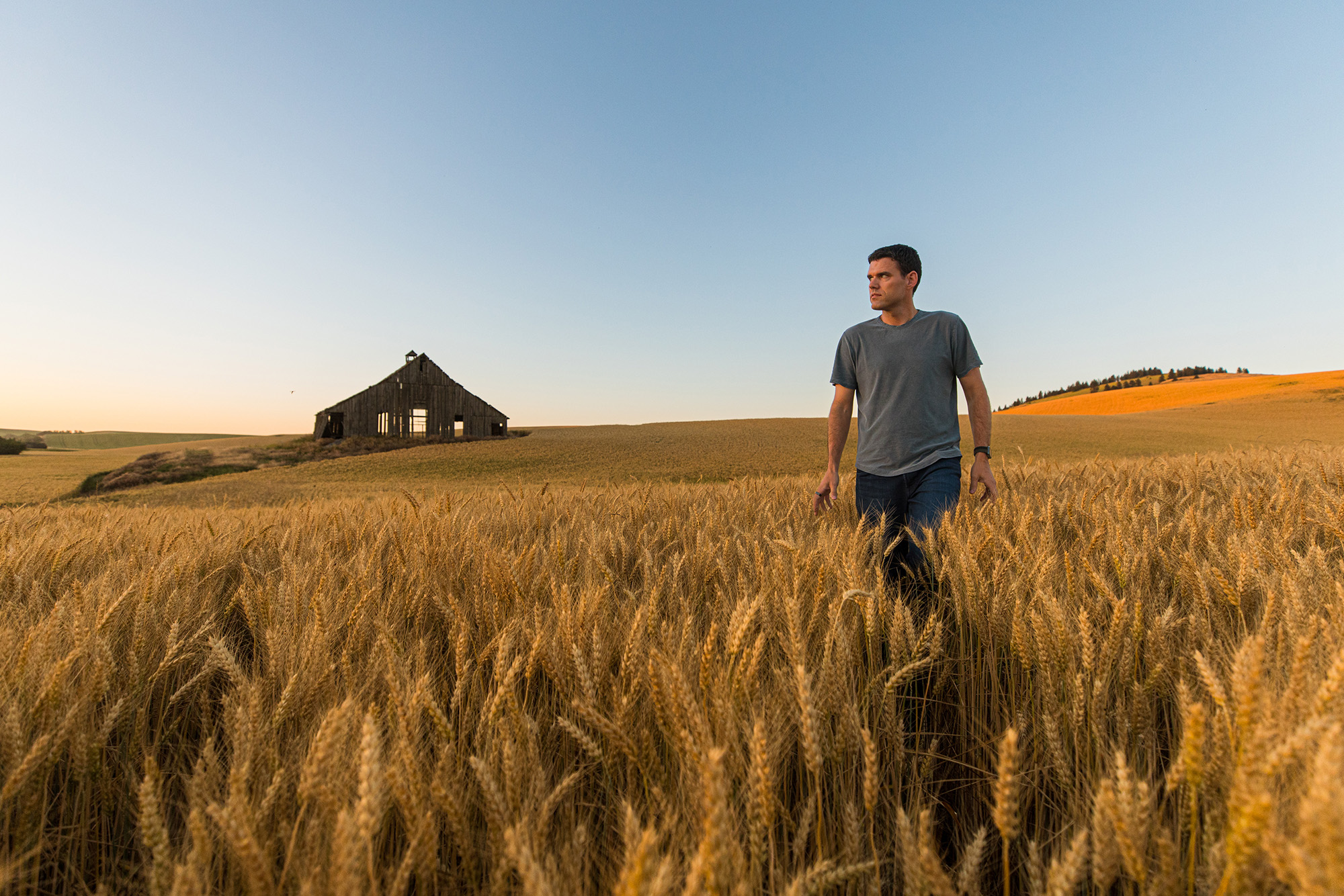
In the rolling Palouse hills of Farmington, Washington, fifth-generation farmer Andrew Nelson is harvesting more than just the wheat, barley, and lentils that have defined his family’s legacy for over a century. On his 7,500-acre operation, Nelson is cultivating a new kind of asset: high-resolution data. Through a sophisticated network of soil sensors, aerial drones, and orbital satellites, Nelson monitors temperature fluctuations, soil moisture, nutrient levels, and plant health with surgical precision. This data is no longer just a collection of metrics; it is the fuel for Project FarmVibes, a newly open-sourced suite of technologies from Microsoft Research designed to bring the power of artificial intelligence to the global agricultural sector.
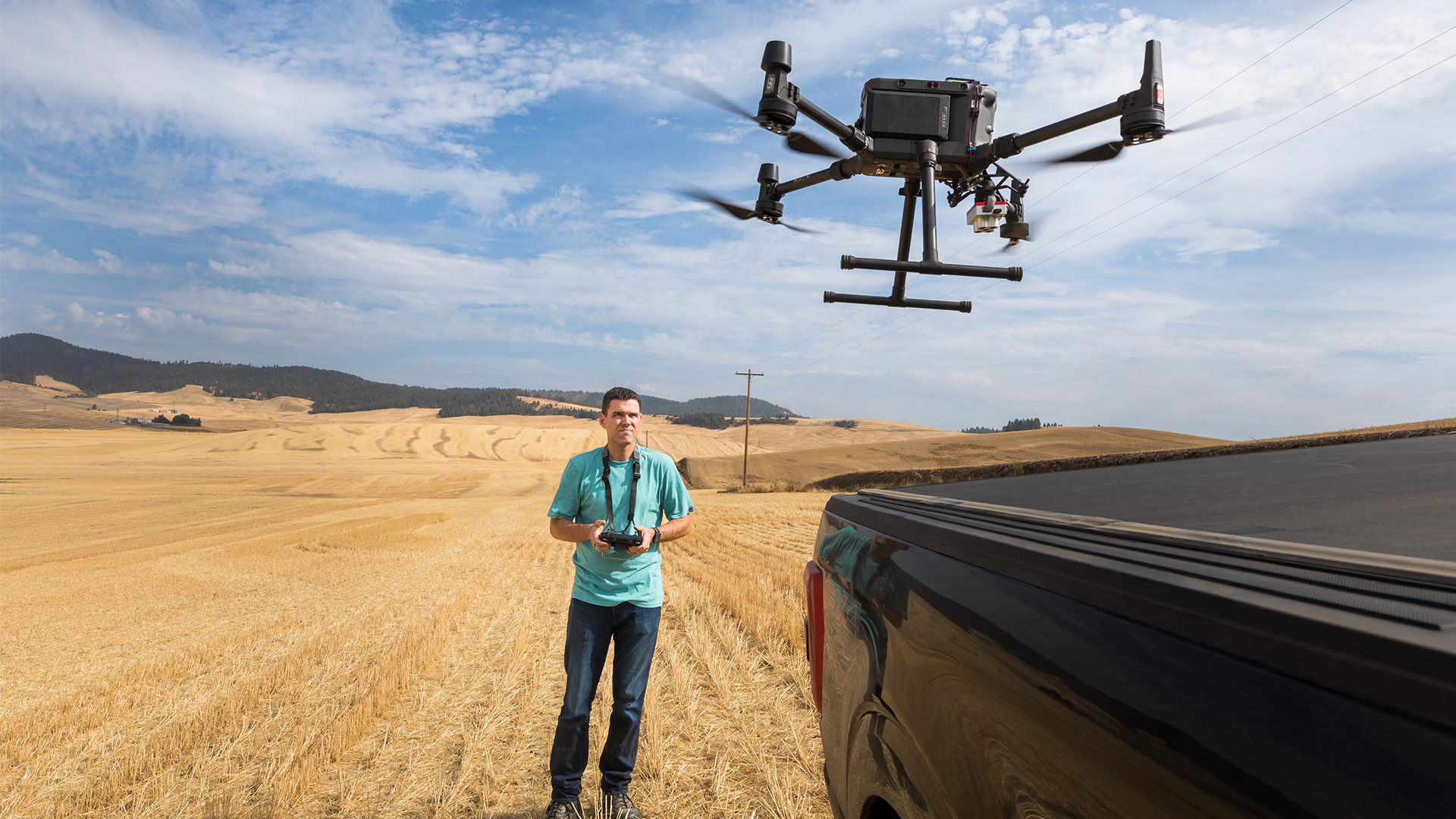
The initiative, spearheaded by Microsoft’s Research for Industry division, marks a significant shift in the accessibility of ag-tech. By making these tools open source, Microsoft is inviting researchers, data scientists, and the global agricultural community to build upon a foundation of AI-powered algorithms. The goal is to transform raw environmental data into actionable insights that can simultaneously increase crop yields, reduce operational costs, and promote environmental sustainability. For Nelson, who balances his time between a combine harvester and a software terminal, the integration of Project FarmVibes represents the dawn of the "farm of the future."
The Architecture of Project FarmVibes
At the heart of this release is FarmVibes.AI, a toolkit of algorithms currently hosted on Microsoft Azure. These algorithms are designed to handle the complex variables of modern farming, offering predictive capabilities that were previously reserved for high-budget corporate entities. Nelson utilizes these tools to guide his decisions across the entire agricultural lifecycle. Before a single seed is planted, FarmVibes.AI analyzes soil moisture to determine the optimal planting depth. During the growing season, it forecasts hyper-local weather patterns, including wind speeds and temperature shifts, to dictate the safest and most effective times to apply fertilizers and herbicides.
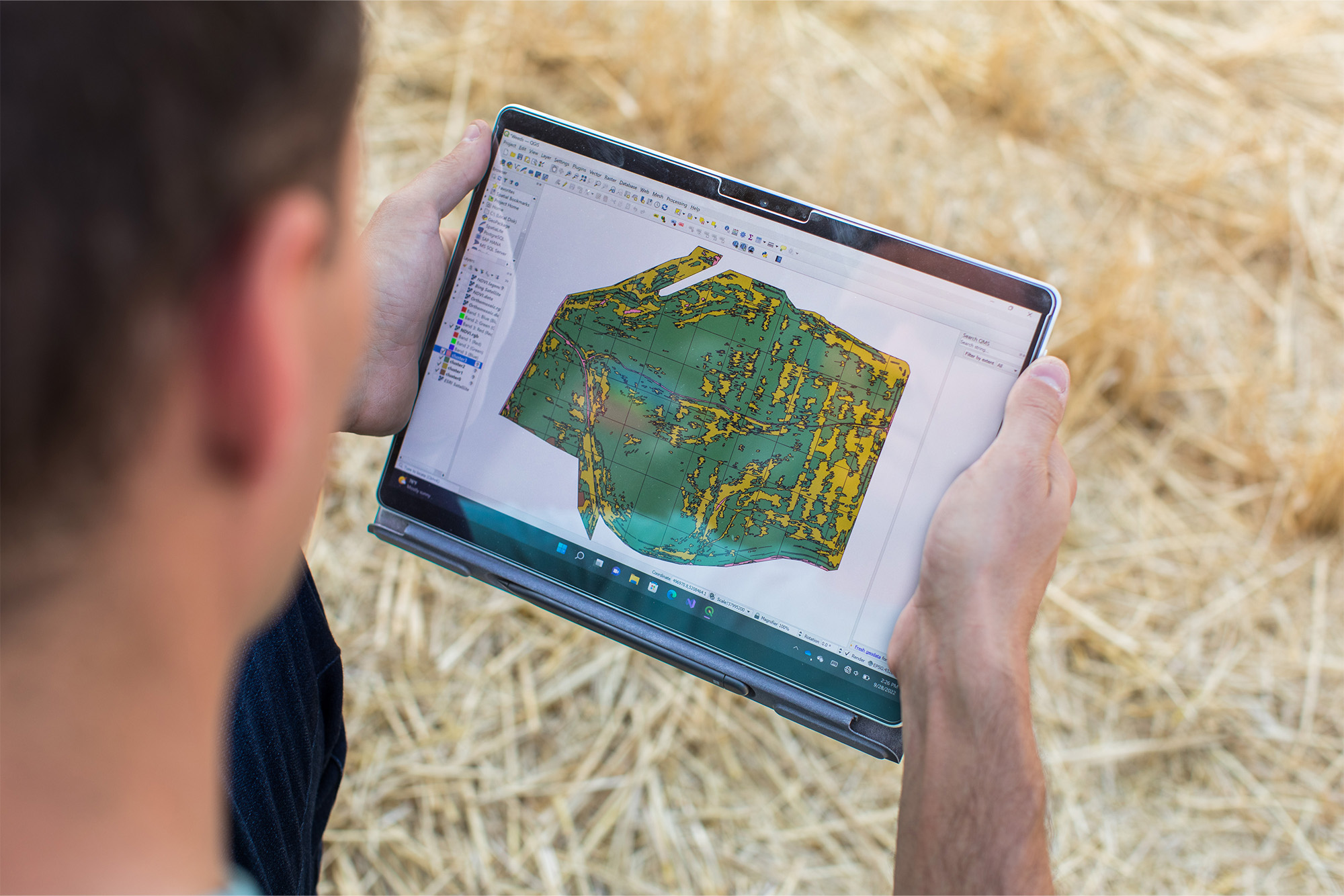
One of the most impactful components of the suite is its ability to optimize chemical usage. By identifying exactly where weeds are located through multispectral drone imagery, the AI can prescribe precise "variable-rate" applications. This means instead of spraying an entire field, Nelson can target only the areas that need treatment. The financial implications are staggering. In his first year of data-guided spraying, Nelson reported that the savings in chemical costs were equivalent to the salary of a full-time employee. On one-third of his acreage alone, he reduced chemical use by 35%, with projections suggesting a 40% reduction following the fall harvest.
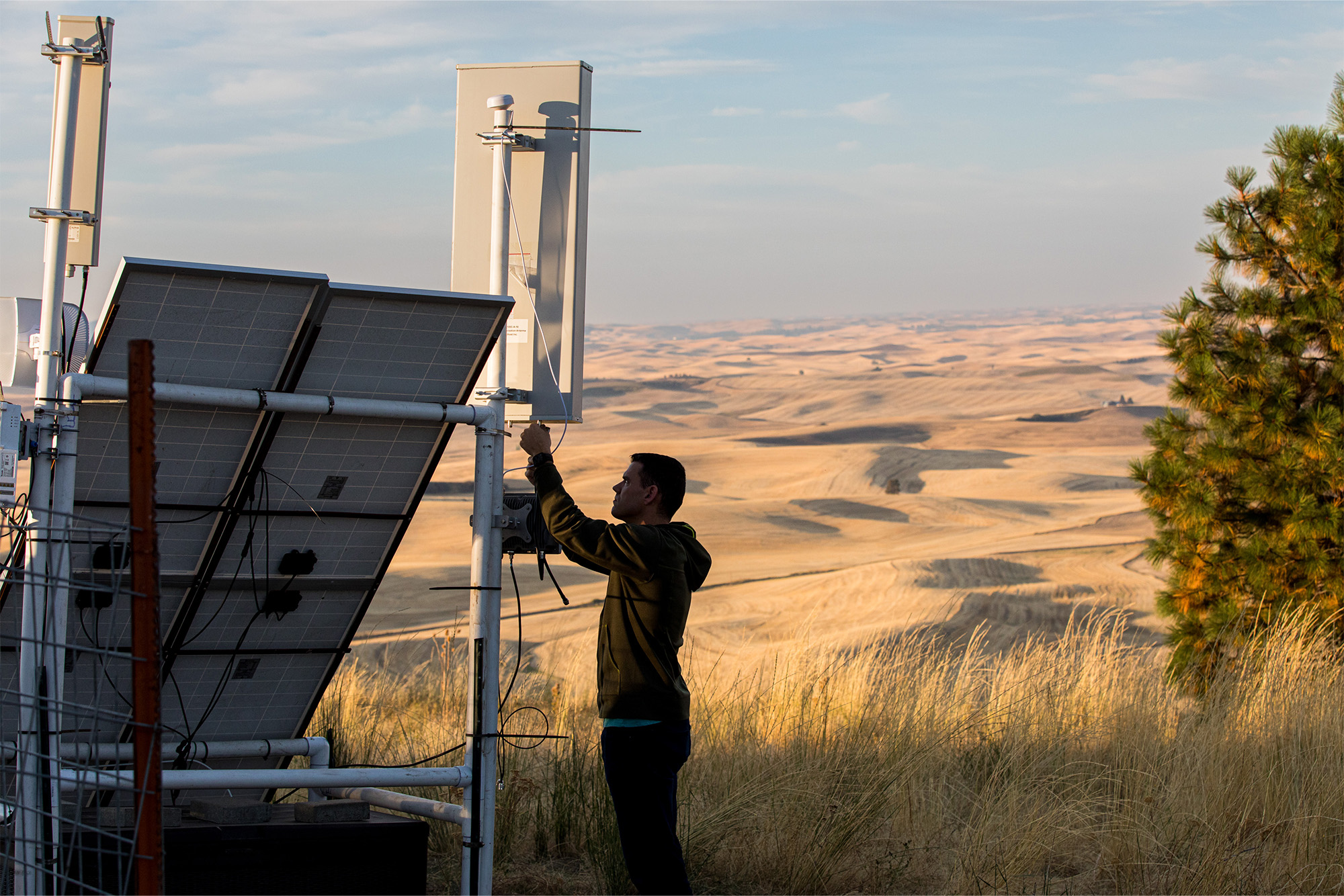
Beyond the AI toolkit, the project addresses one of the most persistent hurdles in rural technology: connectivity. FarmVibes.Connect utilizes "TV white spaces"—the unused spectrum between broadcast television channels—to deliver broadband-quality internet to remote fields. In many rural areas, including Farmington, cellular signals often vanish outside the farmhouse. By using a solar-powered TV white space antenna that acts as a long-range Wi-Fi router, Nelson has turned his 7,500-acre "dead zone" into a fully connected laboratory. This connectivity allows for real-time data transmission from the field to the cloud, enabling the use of FarmVibes.Edge, a tool that compresses large drone images by identifying and prioritizing critical data—such as weed patches—while ignoring irrelevant details like roads or fences.
Historical Context and the Evolution of Precision Agriculture
The transition to data-driven agriculture is the latest chapter in a long history of agricultural innovation. From the mechanization of the early 20th century to the "Green Revolution" of the 1960s, farmers have always sought ways to produce more with less. However, the current shift is driven by a different set of pressures: a rapidly growing global population and a shrinking pool of natural resources.
According to the United Nations Food and Agriculture Organization (FAO), global food production must increase by roughly 70% to 100% by the year 2050 to feed an estimated population of 9.7 billion. This challenge is compounded by climate change, which has made weather patterns more volatile, and the degradation of arable land. Microsoft’s move to open source Project FarmVibes is a direct response to these global pressures. Ranveer Chandra, Managing Director of Research for Industry at Microsoft, emphasizes that data-driven agriculture is not just a luxury for wealthy nations but a necessity for global survival.
Microsoft’s journey into this space began years ago with Project FarmBeats, which focused on the Internet of Things (IoT) in farming. The evolution into FarmVibes reflects deeper research into sustainability and precision. The project has been refined through collaborations with industry giants like Land O’ Lakes and Bayer, who have used Microsoft’s infrastructure to analyze vast datasets. By moving these tools into the open-source domain via GitHub, Microsoft aims to democratize the technology, allowing it to reach smallholder farms in developing regions where the impact on food security could be most profound.
Environmental Implications and Carbon Management
Agriculture is uniquely positioned in the climate change narrative: it is a significant contributor to greenhouse gas emissions, one of the sectors most vulnerable to climate shifts, and potentially one of the greatest tools for carbon sequestration. Project FarmVibes includes tools specifically designed to help farmers manage their carbon footprint.
The suite’s "what if" analytics allow farmers to simulate how different practices—such as no-till farming or cover cropping—affect the amount of carbon sequestered in the soil. Healthy soil acts as a massive carbon sink, and by providing data that proves sequestration, Microsoft is helping farmers prepare for future carbon credit markets. Furthermore, the reduction in chemical and water usage facilitated by FarmVibes.AI directly lowers the environmental impact of farming operations.
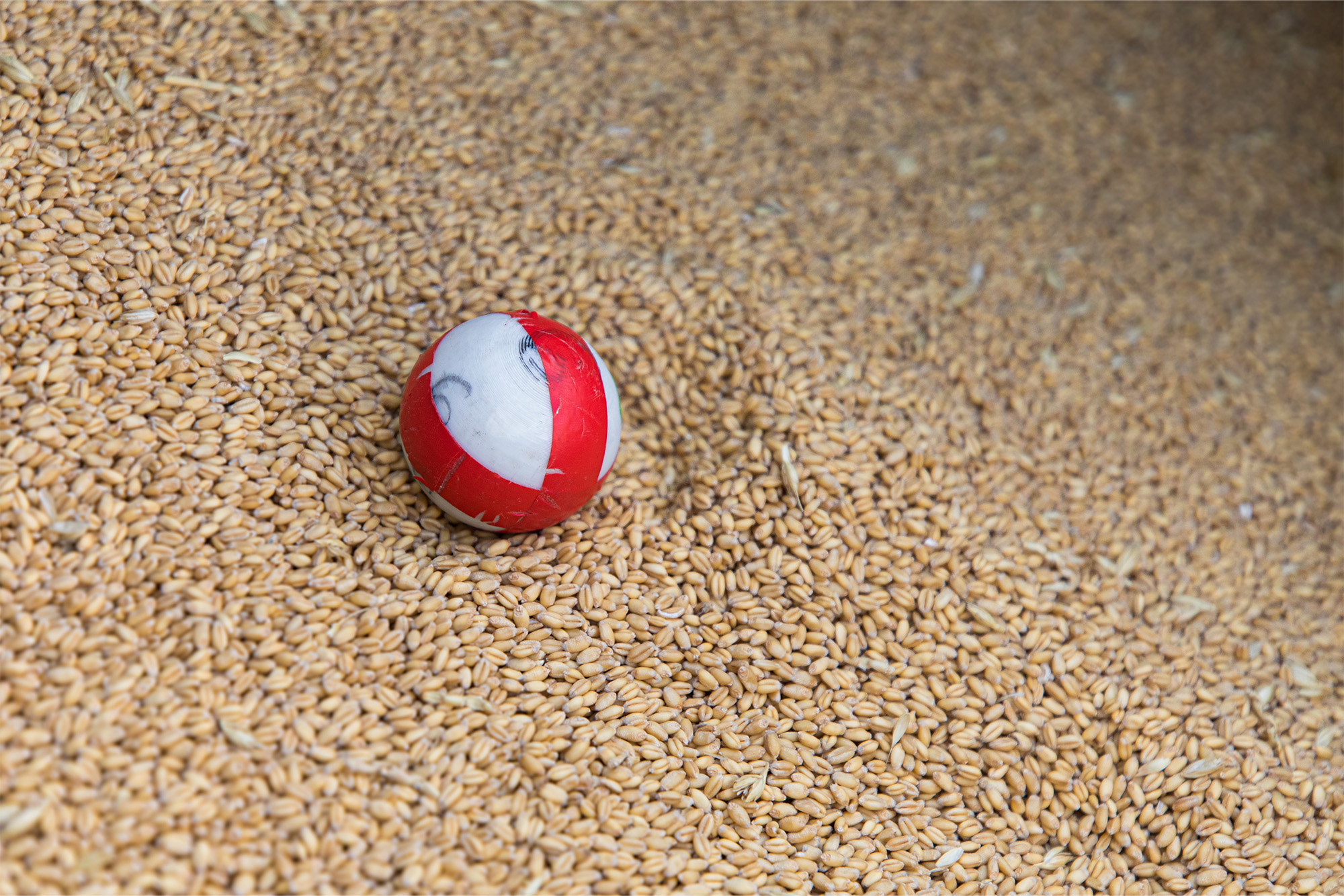
In addition to soil health, Microsoft is testing traceability sensors that follow crops from the field to the storage bin. In Nelson’s grain silos, these sensors monitor carbon dioxide levels. An uptick in CO2 can indicate excess moisture or the presence of pests, allowing the farmer to intervene before the crop is spoiled. This level of granular monitoring ensures that food waste is minimized and that the final product meets the specific quality standards required by international buyers.
Chronology of the Digital Harvest
The implementation of Project FarmVibes on the Nelson farm followed a strategic timeline of integration:
- Phase I: Infrastructure (The Connection): The installation of TV white space antennas provided the necessary broadband backbone across the 7,500-acre property, solving the "last mile" connectivity issue.
- Phase II: Data Acquisition (The Sensors): Deployment of soil sensors and drone flights began, creating a baseline of multispectral imagery and moisture data.
- Phase III: Algorithmic Analysis (The AI): The raw data was fed into FarmVibes.AI to generate prescriptive maps for planting and spraying.
- Phase IV: Optimization (The Edge): Implementation of FarmVibes.Edge allowed for the efficient processing of high-resolution imagery even with limited upload speeds.
- Phase V: Monitoring and Traceability: The introduction of storage sensors and tracking technology to ensure crop quality from harvest to the Snake River barges for export.
Analysis of Global Impact and Future Prospects
The decision to open source Project FarmVibes represents a strategic move toward "Ag-Tech democratization." While large-scale commercial farms have had access to proprietary precision agriculture tools for years, these systems are often expensive, closed-loop, and difficult to customize. By providing the source code, Microsoft is enabling academic institutions and local startups to tailor the technology to specific regional needs—whether that is managing rice paddies in Southeast Asia or maize fields in Sub-Saharan Africa.
Industry analysts suggest that this move could accelerate the standardisation of agricultural data. Currently, the sector suffers from fragmentation, with different sensors and machines using incompatible formats. A common, open-source framework could act as a "lingua franca" for the industry, encouraging more rapid innovation.
However, challenges remain. The "digital divide" is not just about technology but also about digital literacy. While Andrew Nelson is a software engineer, most of the world’s 570 million farmers are not. The success of Project FarmVibes will likely depend on the "intermediary layer"—the consultants, cooperatives, and government agencies that can take Microsoft’s research and turn it into user-friendly applications for the average grower.
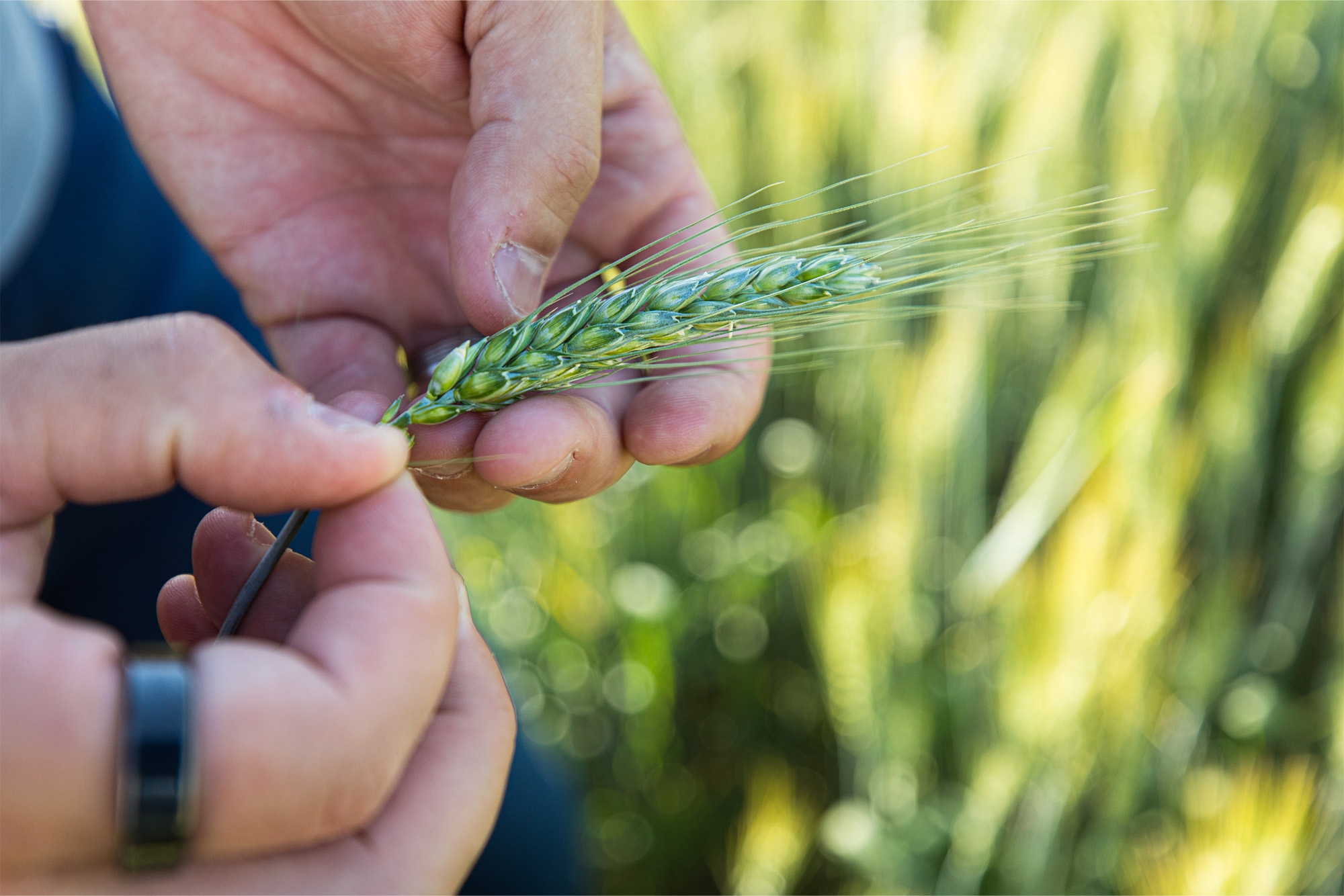
As climate change continues to redraw the maps of global agriculture, the ability to farm "acre by acre" rather than "field by field" will become the standard. For Andrew Nelson, the transition is a natural evolution. He views his laptop and his combine harvester as two parts of the same machine. Through Project FarmVibes, Microsoft is betting that this integrated approach is the only way to ensure that the harvests of the future remain as rich as those of the past.
