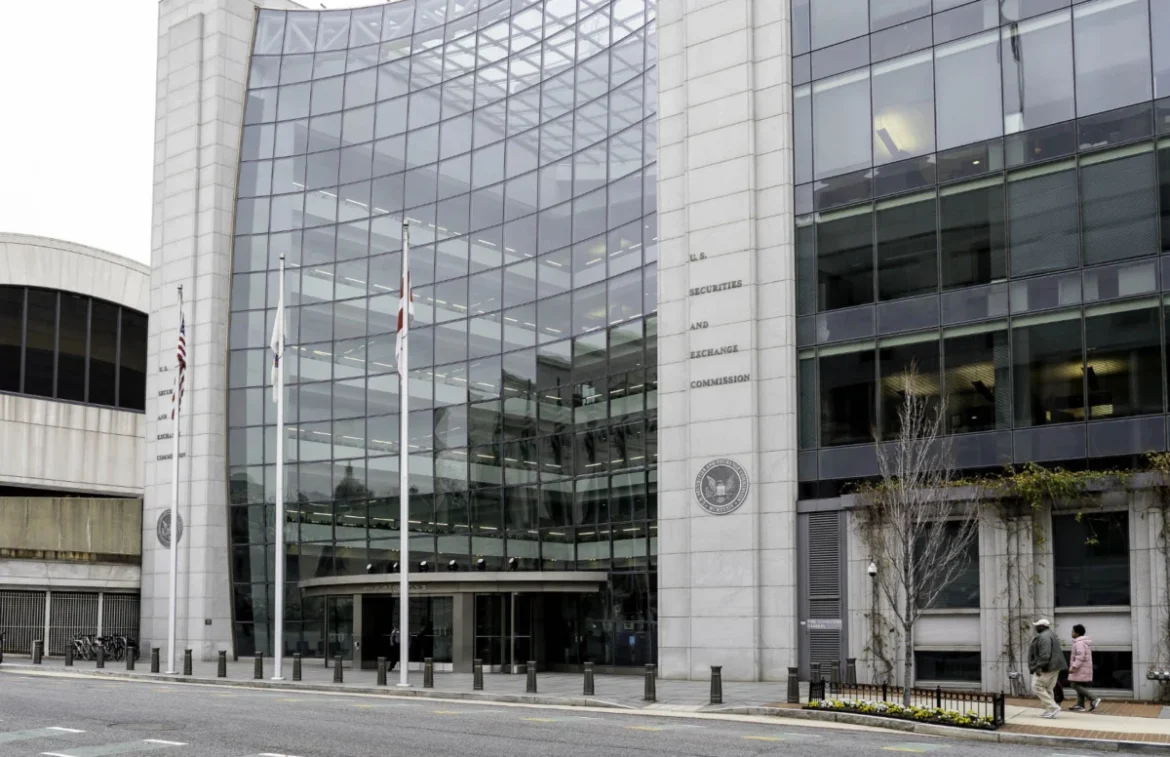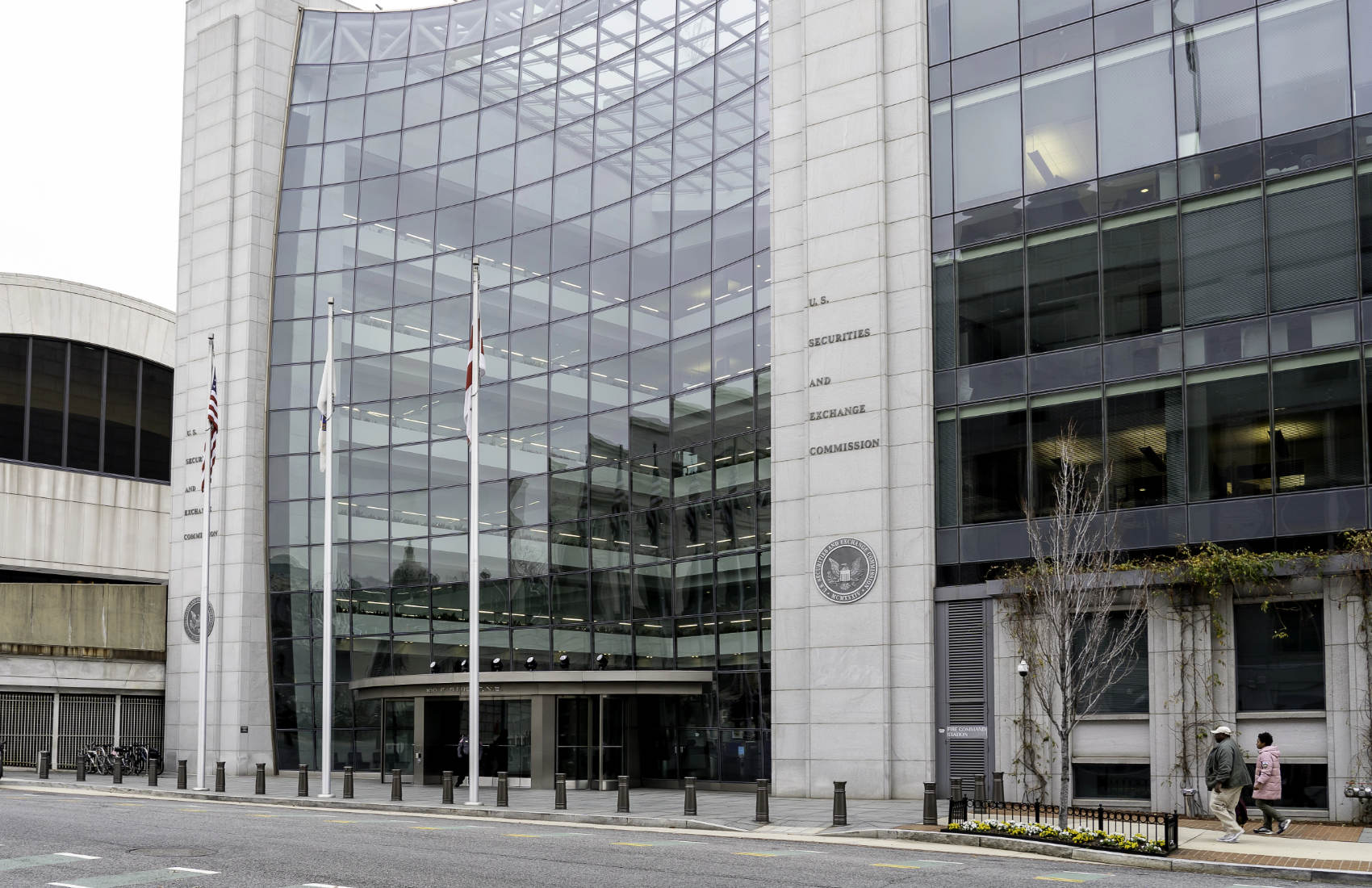
The intersection of traditional equity markets and decentralized finance (DeFi) continues to evolve as publicly traded blockchain infrastructure firms align their operations with emerging regulatory frameworks. Nasdaq-listed BTCS Inc. has advanced preparations to position its proprietary trading and asset management unit, Imperium, as a liquidity provider for tokenized equities. This strategic positioning follows a recent corporate update issued by the firm detailing its administrative and compliance-related alignment with a conditional regulatory pathway established by the United States Securities and Exchange Commission (SEC).
While the announcement highlights an expanding institutional appetite for on-chain capital deployment, corporate disclosures underscore a critical operational distinction: the enterprise has completed the preliminary regulatory prerequisites, yet actual liquidity provisioning for tokenized stocks has not officially commenced. The unfolding narrative reflects a broader industry trend wherein public corporations seek to bridge the gap between legacy capital markets and blockchain-based financial infrastructure, navigating complex legal boundaries to capture nascent market opportunities.
Understanding the SEC Covered Firm Exemption and Its Procedural Realities
To fully contextualize the strategic positioning undertaken by BTCS, market analysts must examine the precise regulatory mechanism driving the corporate announcement. The framework in question involves conditional temporary relief provided by the SEC regarding the statutory definition of a "dealer." In traditional securities markets, entities that routinely buy and sell securities for their own account are generally required to register as broker-dealers under the Securities Exchange Act of 1934, subjecting them to rigorous oversight, capital requirements, and compliance mandates.
However, the rapid proliferation of automated market maker (AMM) protocols and blockchain-based trading venues has created regulatory ambiguity for liquidity providers operating in decentralized environments. To address these structural changes without stifling technological development, regulatory authorities have occasionally introduced targeted exemptions. The SEC’s Covered Firm exemption provides conditional, temporary relief from traditional dealer registration requirements specifically for qualifying institutions that contribute liquidity through automated market maker pools on eligible tokenized-securities trading venues.
Despite the strategic value of this framework, procedural details dictate that administrative compliance does not equate to regulatory endorsement or the granting of a traditional license. BTCS has explicitly clarified that Imperium has neither applied for nor received a broker-dealer license, nor has the SEC formally endorsed the company’s specific tokenized-equity strategy. Rather, the regulatory relief is conditional and broad-based, applying to any entity that meets strict statutory criteria and fulfills specific reporting obligations.
Chronology of Events and Compliance Milestones
The timeline leading up to the late-September disclosure illustrates a methodical, step-by-step approach to regulatory alignment. BTCS management began laying the groundwork for institutionalized DeFi participation months prior, culminating in specific administrative milestones finalized ahead of the September 28 announcement.
During the preparatory phase, the Imperium unit focused on meeting the rigorous disclosure and notice requirements mandated by the SEC’s temporary relief framework. This process required the submission of formal notices to the regulatory body, signaling the firm’s intention to potentially rely upon the Covered Firm exemption should market conditions and infrastructure readiness align. Additionally, the company published mandatory internal and external disclosures to maintain transparency with shareholders and market participants regarding its risk exposure and operational scope.
Despite the successful completion of these administrative prerequisites, a significant operational dependency remains. Under the terms of the SEC’s temporary relief provisions, a firm cannot actively rely on the exemption until a qualifying Tokenized Securities Venue is fully operational and compliant with regulatory standards. Consequently, while the bureaucratic machinery has been primed, the actual execution of tokenized-equity liquidity provisioning remains on hold pending the launch of approved on-chain trading infrastructure.
The Mechanics of On-Chain Market Making and Traditional Equity Tokenization
To appreciate the strategic rationale behind BTCS positioning Imperium for this role, one must analyze the mechanics of modern market making and the structural evolution of asset tokenization. In conventional equity markets, market makers play an indispensable role in maintaining market efficiency, price discovery, and liquidity. By continuously quoting bid and ask prices for specific equities, these intermediaries ensure that investors can enter and exit positions smoothly without experiencing severe price slippage.
As financial technology advances, market participants are increasingly exploring ways to replicate these foundational functions on distributed ledger technology. Tokenization—the process of representing ownership of a traditional asset, such as common stock, via cryptographic tokens on a blockchain—enables assets to trade continuously, settle instantly, and integrate seamlessly with decentralized protocols.
However, tokenized securities face the same fundamental economic challenge as their traditional counterparts: they require deep, reliable liquidity to function effectively. Without active liquidity providers, decentralized pools for tokenized equities risk suffering from high volatility, wide bid-ask spreads, and order execution failures. Automated market makers, which utilize liquidity pools rather than traditional order books, offer a decentralized alternative for price formation, but they still require substantial capital deployment to operate efficiently.
Imperium’s Evolution Within the DeFi and Blockchain Ecosystem
BTCS has historically operated as a pioneer in the publicly traded blockchain sector, participating in proof-of-stake validation, digital asset treasury management, and various decentralized finance applications. Through its Imperium unit, the firm already actively deploys capital into established DeFi protocols, engaging in activities such as lending, borrowing, and supplying liquidity to digital asset markets.
Expanding this operational scope to include tokenized equities represents a logical, albeit highly regulated, extension of the firm’s existing business model. By transitioning from purely native crypto assets to regulated securities represented on blockchain infrastructure, BTCS aims to capture a specialized segment of the financial services market. This strategy allows the company to leverage its accumulated technical expertise in smart contract interaction, private key management, and protocol risk assessment, applying these core competencies to a potentially massive total addressable market.
At the same time, this expansion exposes the firm to a more complex compliance landscape. While native crypto assets operate largely outside the direct purview of traditional securities laws, tokenized equities remain subject to federal securities regulations, investor protection rules, and anti-money laundering (AML) mandates. The SEC’s exemption framework attempts to draw a functional boundary, distinguishing between passive automated liquidity provisioning and active, dealer-driven securities trading.
Broader Industry Implications for Public Companies and Digital Asset Integration
The strategic maneuver by BTCS serves as a bellwether for how publicly traded entities are preparing for the convergence of traditional finance (TradFi) and decentralized finance (DeFi). For years, regulatory uncertainty has deterred many institutional players and publicly listed corporations from engaging deeply with on-chain financial infrastructure. By publicly aligning with SEC-sanctioned pathways, firms like BTCS are attempting to chart a compliant course through uncharted regulatory waters.
Market observers note that the announcement is fundamentally strategic rather than revenue-generating in the immediate term. By securing the necessary paperwork, submitting regulatory notices, and establishing compliant operational protocols ahead of time, BTCS is positioning itself as a first-mover. When qualifying tokenized securities venues finally launch and achieve regulatory clearance, firms that have already completed the arduous compliance preparations will be uniquely positioned to deploy capital immediately.
This proactive stance highlights a growing trend across the fintech and digital asset sectors. Rather than waiting for comprehensive legislative reform or permanent rulemaking—processes that can take years—forward-thinking enterprises are utilizing existing regulatory tools, temporary exemptions, and conditional frameworks to build out their operational capabilities.
Analysis of Regulatory Risks and Strategic Considerations
While the potential upside of tokenized equity liquidity provisioning is substantial, financial analysts emphasize the inherent risks and complexities involved in this business model. Operating at the intersection of federal securities law and decentralized finance creates unique compliance challenges.
First, the regulatory status of tokenized securities remains dynamic. Changes in SEC leadership, shifts in judicial interpretations, or new legislative enactments could alter the legal foundation upon which temporary exemptions are built. Firms relying on conditional relief must maintain dynamic compliance programs capable of adapting to sudden regulatory revisions.
Second, smart contract and protocol risks inherent in decentralized finance do not disappear simply because the underlying asset is a regulated security. Liquidity providers operating within automated market maker pools remain exposed to risks such as impermanent loss, protocol exploits, and smart contract vulnerabilities. Balancing the stringent risk-management requirements of a publicly traded corporation with the fast-paced, permissionless nature of DeFi protocols requires sophisticated internal controls and robust risk mitigation strategies.
Finally, the success of this strategic initiative depends heavily on the broader adoption of tokenized securities by traditional market participants. While technology firms and blockchain startups are enthusiastic about the potential of on-chain equities, mainstream institutional investors, broker-dealers, and clearinghouses must also embrace tokenized infrastructure for the market to achieve meaningful scale.
Conclusion and Future Outlook
The decision by BTCS to position its Imperium unit for tokenized stock liquidity provisioning under the SEC’s Covered Firm exemption underscores a pivotal moment in the institutionalization of digital assets. By completing the requisite compliance disclosures and administrative notices, the company has signaled its readiness to participate in the next phase of market evolution.
Nevertheless, the practical reality remains measured. As corporate leadership has emphasized, actual trading and liquidity provisioning have not yet commenced, awaiting the operational deployment of qualifying Tokenized Securities Venues. For market watchers and investors, the development offers a clear window into how forward-thinking public companies are quietly building the plumbing for a more tokenized financial future—preparing the machinery long before the switch is ultimately flipped.