
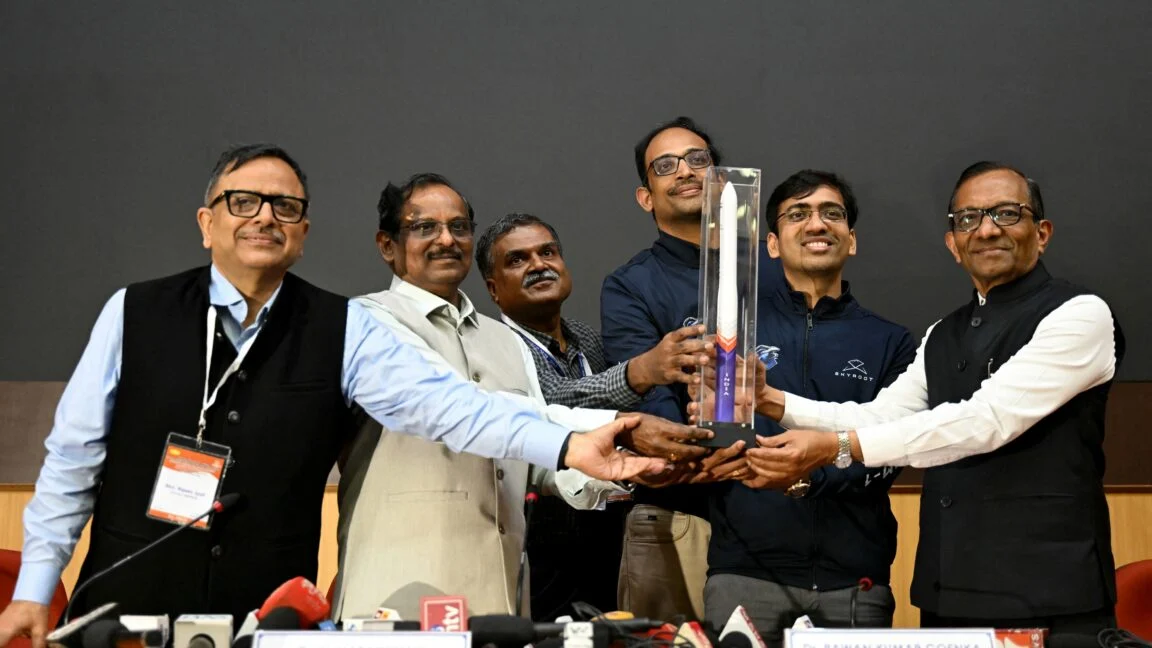
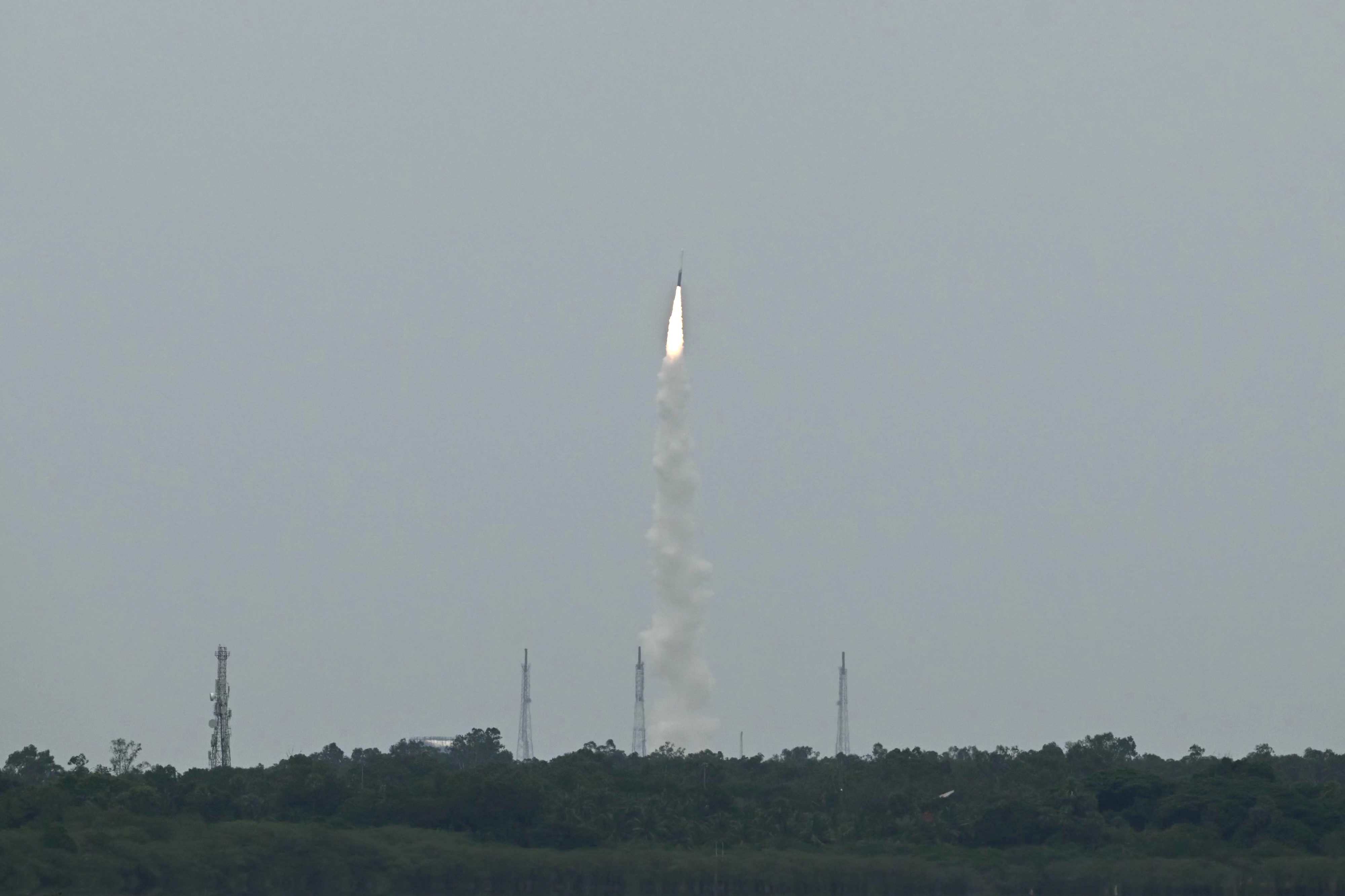
In a landmark achievement for the global commercial space industry, Skyroot Aerospace successfully placed its Vikram-1 rocket into orbit on Saturday, marking the first time a privately developed Indian launch vehicle has reached space on its inaugural attempt. The mission, which lifted off from the Satish Dhawan Space Center (SDSC) on Sriharikota Island, represents a pivotal shift in India’s space strategy as the nation moves from a government-dominated model to a competitive commercial ecosystem.
The Vikram-1, a multi-stage launch vehicle designed to cater to the burgeoning small-satellite market, commenced its journey at 1:35 am EDT (06:35 UTC), piercing the midday sky over the Bay of Bengal. Despite a tense 30-minute hold during the countdown to address a last-minute technical glitch, the rocket’s first-stage solid-fueled motor ignited with precision, propelling the 72-foot (22-meter) structure off the launch pad and into the history books.
A Flawless Ascent and Technical Milestones
The flight profile for the Vikram-1 was designed to test the limits of Skyroot’s proprietary technology. The vehicle features a four-stage configuration: three solid-fueled stages followed by a liquid-fueled upper stage responsible for final orbital insertion. According to telemetry data and onboard camera feeds, the first three stages performed as expected, carrying the rocket through the dense lower atmosphere and into the vacuum of space.
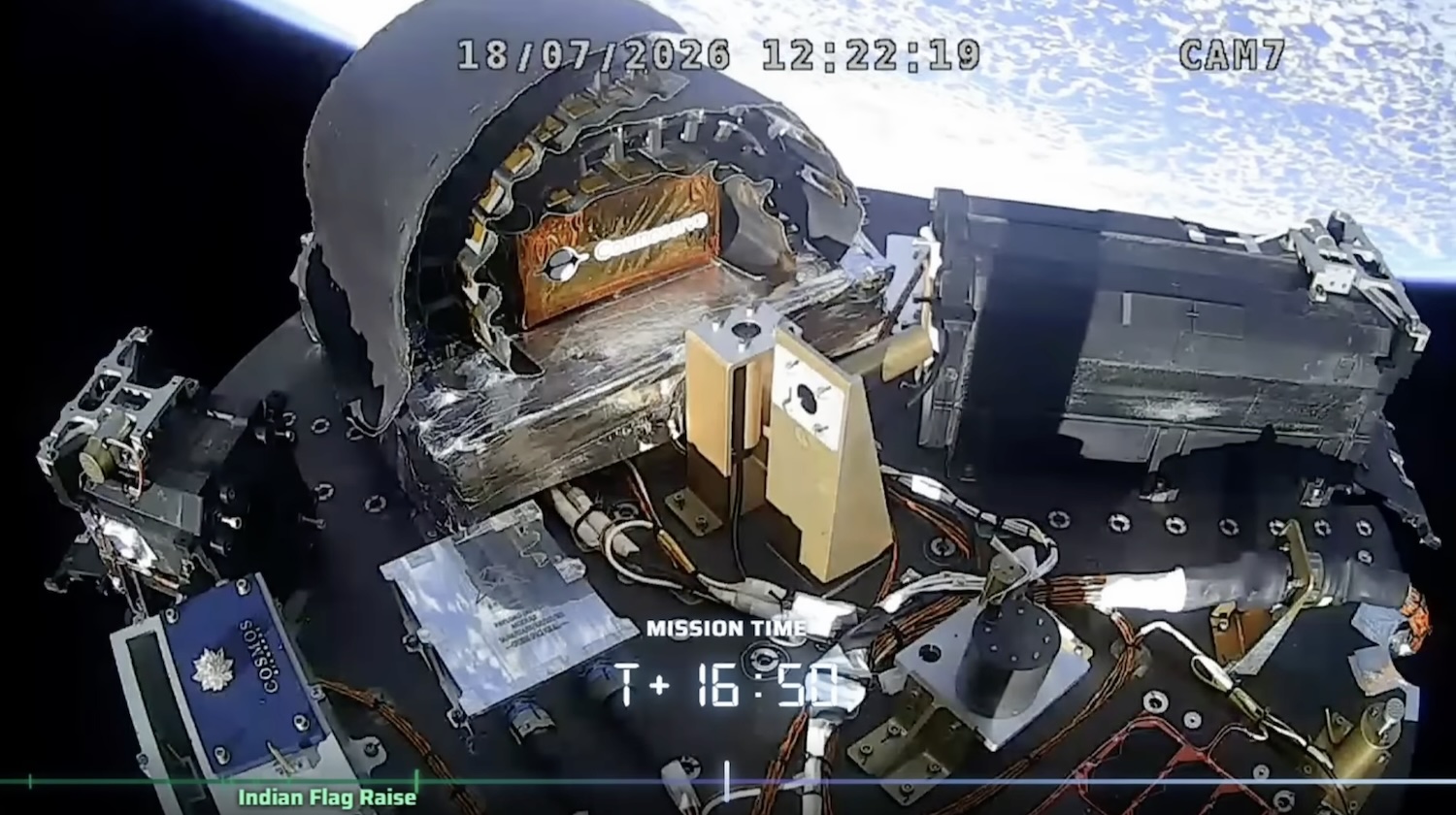
A moment of minor concern occurred during the separation of the third stage. Visuals from the onboard camera suggested that the spent motor remained in close proximity to the fourth stage during the coast phase, rather than drifting away immediately. However, this did not impede the mission. The fourth stage, powered by a sophisticated 3D-printed liquid engine, ignited on schedule. This final burn accelerated the payload deck to a velocity of approximately 17,000 mph (27,350 km/h).
Skyroot Aerospace confirmed that the rocket reached its intended circular orbit at an altitude of approximately 280 miles (450 kilometers) with an inclination of 60 degrees. U.S. military tracking data later verified the successful insertion, confirming that India had officially joined the elite group of nations capable of private orbital launches.
Defying the Odds of Aerospace Tradition
The success of Vikram-1 is particularly notable given the historically high failure rate of debut orbital launches. In the aerospace sector, the first flight of a new rocket is often viewed as a "test of fire" where success is hoped for but rarely expected.
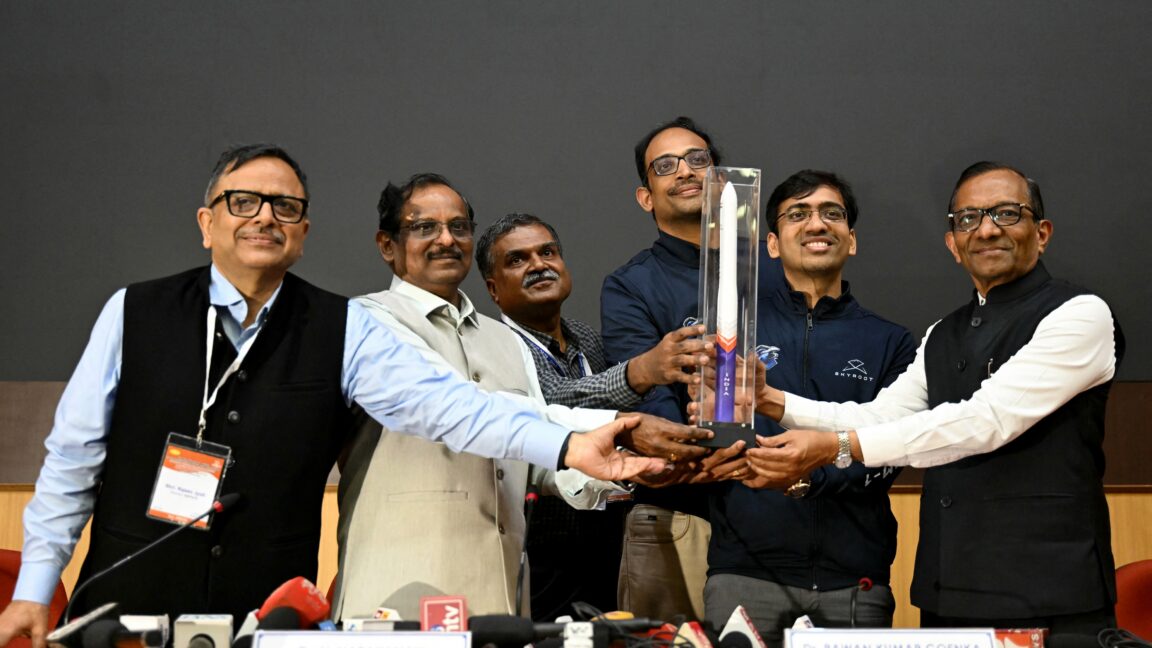
Pawan Kumar Chandana, co-founder and CEO of Skyroot Aerospace, expressed the magnitude of the achievement in an emotional address to his team. "On the first attempt, reaching orbit, I never thought it was possible," Chandana said. "Skyroot’s team made it possible. This launch was nothing short of a suspense movie."
To put this achievement in perspective, industry leaders have often struggled with initial attempts. SpaceX, now the world’s most dominant launch provider, failed three times with its Falcon 1 rocket before reaching orbit on the fourth attempt in 2008. Similarly, Rocket Lab’s Electron—currently the benchmark for small-satellite launchers—failed to reach orbit during its "It’s a Test" flight in 2017. While Blue Origin’s New Glenn achieved success on its first flight in 2025, it did so backed by decades of suborbital experience and massive capital reserves. Skyroot’s success on its first try places the startup in an exceptionally rare category of engineering excellence.
Technical Specifications and the Vikram Family
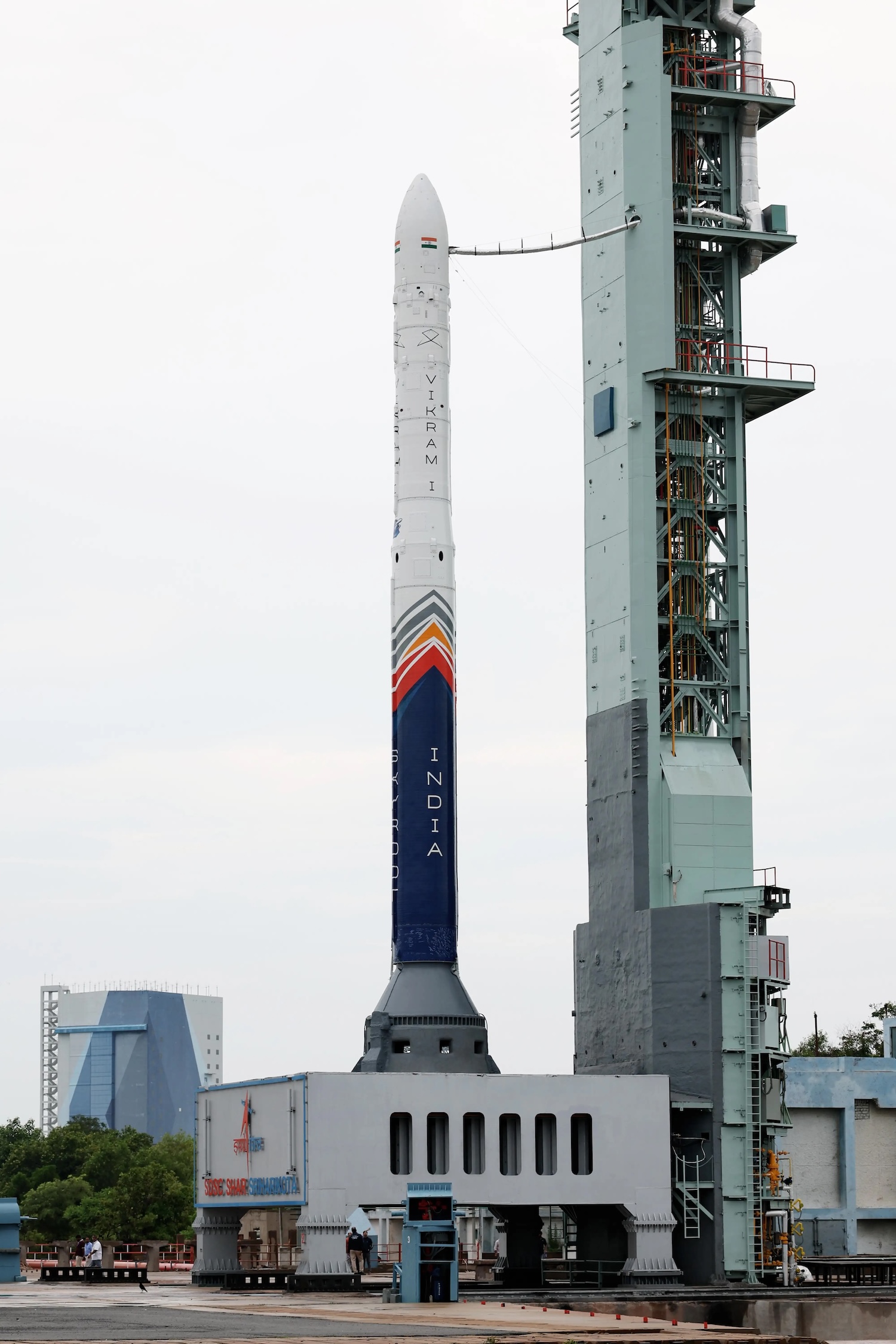
The Vikram-1 is engineered primarily from lightweight carbon composite materials, a choice that maximizes payload efficiency by reducing the structural mass of the vehicle. Named after Dr. Vikram Sarabhai, the visionary physicist known as the father of the Indian space program, the rocket is designed to carry up to 770 pounds (350 kilograms) to Low Earth Orbit (LEO).
This capacity places Vikram-1 in direct competition with Rocket Lab’s Electron and other emerging small-launch providers. Skyroot’s design philosophy emphasizes "responsive space"—the ability to launch satellites on short notice with minimal infrastructure.
The Saturday mission also served as a validation of Skyroot’s 3D-printing capabilities. The upper stage engine, which performed the critical final burn, was manufactured using additive manufacturing techniques. This approach significantly reduces the number of parts, lowers production costs, and shortens the lead time for engine fabrication.
Looking ahead, Skyroot has outlined an ambitious roadmap:
- Vikram-1U: An upgraded version of the current vehicle featuring additional solid rocket strap-on boosters to increase payload capacity.
- Vikram-2: A larger launcher that will introduce a cryogenic upper stage, capable of lifting 2,000 pounds (900 kilograms) to LEO.
- Reusability: Long-term plans include the development of larger, liquid-fueled rockets with fully reusable stages, aimed at achieving a "daily cadence" of launches.
The Role of IN-SPACe and Government Policy
The success of Skyroot is not an isolated event but the result of a deliberate shift in Indian government policy. In 2020, the administration of Prime Minister Narendra Modi established the Indian National Space Promotion and Authorization Center (IN-SPACe). This autonomous agency was created to act as a bridge between the Indian Space Research Organization (ISRO) and private startups.
ISRO played a critical "handholding" role in the Vikram-1 mission. The government agency provided Skyroot with access to its world-class facilities, including solid rocket motor casting units and test stands at Sriharikota. Furthermore, ISRO permitted the private firm to use its primary launch pads, infrastructure that would have cost a startup billions of dollars and decades to build from scratch.
Pawan Goenka, Chairman of IN-SPACe, noted that while the official mission objective was simply to "clear the tower"—a modest goal meant to manage expectations—the rocket exceeded all parameters. "The mission was absolutely perfect," Goenka stated, highlighting that the rocket not only reached orbit but also successfully deployed its satellite payloads.
Economic Impact and the Indian Space Ecosystem
Skyroot’s ascent has significant economic implications for the Indian technology sector. To date, the company has raised approximately $160 million in venture capital, pushing its valuation to $1.1 billion and earning it "unicorn" status.
The company’s workforce, which now exceeds 1,000 employees, reflects the youthful energy of the Indian space boom. With an average age of just 28, the Skyroot team represents a new generation of engineers who are transitioning from the traditional public sector roles at ISRO to high-stakes private ventures.
This privatization is part of a broader national strategy. Prime Minister Modi has challenged the Indian space industry to increase its launch frequency tenfold—from an average of five launches per year to 50 by the end of the decade. Following the launch, the Prime Minister personally congratulated the Skyroot team, calling the event a "defining moment" that would "encourage countless youngsters to dream bigger and innovate fearlessly."
Global Strategic Implications
The success of Vikram-1 positions India as a primary destination for the global small-satellite market. As the demand for satellite constellations for internet connectivity, Earth observation, and climate monitoring grows, the world faces a shortage of reliable, low-cost launch options.
By proving that a private Indian company can deliver high-precision orbital insertion at a fraction of the cost of Western competitors, Skyroot is poised to capture a significant share of the international market. The mission also underscores the maturity of the Indian aerospace supply chain, as the Vikram-1 was "100 percent designed and made in India."
Outside of the United States and China, very few countries possess a vibrant private space sector. Skyroot’s achievement elevates India’s status, demonstrating that its space capabilities are no longer limited to state-run scientific missions but are now a powerful engine for commercial enterprise.
Future Outlook and Conclusion
With the first orbital flight concluded, Skyroot is already looking toward its second mission, which could occur before the end of the year. The data gathered from the Vikram-1 debut will be used to refine the vehicle’s flight software and separation mechanisms, particularly addressing the close-proximity coast observed after the third-stage separation.
The successful debut of the Vikram-1 is more than just a technical triumph; it is a proof of concept for a new era of space exploration. As private companies like Skyroot take over the routine task of hauling small satellites into orbit, ISRO is freed to focus on more complex missions, such as the Gaganyaan human spaceflight program and further lunar exploration.
"This was a historic moment for India, but also a very proud moment for the global space sector because the world needs more access to space," Chandana concluded. As the Vikram-1 settles into its 280-mile-high orbit, it leaves behind a transformed landscape on the ground—one where the stars are no longer the exclusive domain of governments, but a new frontier for Indian innovation.
