
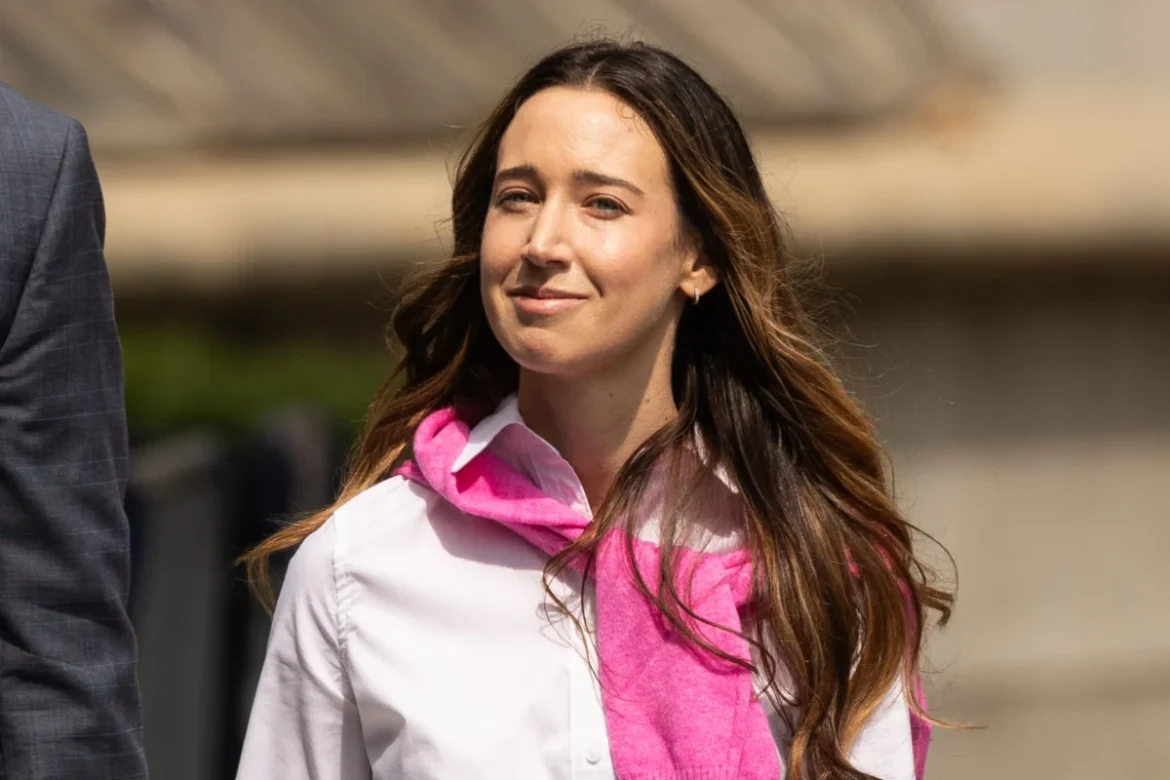
Charlie Javice, the founder of the now-defunct fintech startup Frank, who was convicted of defrauding JPMorgan Chase, is reportedly making efforts to secure a presidential pardon. Sources indicate that Javice’s legal team and associates have been discreetly engaging with individuals connected to the former Trump administration, according to a report by The Wall Street Journal. While these overtures are reportedly underway, her name has not yet appeared on any formal clemency request submitted to the Department of Justice. This development comes at a time when the administration is reportedly considering a significant number of pardons to commemorate America’s 250th anniversary, leading to a surge in clemency applications from various high-profile white-collar defendants, including Sam Bankman-Fried, the founder of the collapsed cryptocurrency exchange FTX.
Background of the Frank Fraud Case
The allegations against Charlie Javice stem from her conviction last September, where she was found guilty of fabricating customer data to inflate the perceived value of her company, Frank. Frank, which aimed to simplify the college financial aid application process, was sold to JPMorgan Chase in 2021 for $175 million. Prosecutors argued that Javice provided JPMorgan with falsified information about Frank’s user base, claiming millions of active users when, in reality, the number was significantly lower. This alleged deception was central to the bank’s decision to acquire the company at a substantial valuation.
Following her conviction, Javice was sentenced to over seven years in prison. She is currently appealing the verdict, with her defense team asserting that the case against her was fundamentally unfair and that key evidence was mishandled. The legal battle has been closely watched within the financial and tech industries, representing a significant fallout from the boom-and-bust cycle that characterized many fintech startups in recent years.
JPMorgan Chase’s Position and Potential Concerns
The news of Javice’s potential pursuit of a pardon is unlikely to be welcomed by JPMorgan Chase, the institution that acquired Frank and subsequently became the victim of the alleged fraud. The bank’s substantial investment was based on the data provided by Javice, and the revelation of falsified customer accounts led to significant reputational damage and financial repercussions for the banking giant. JPMorgan’s acquisition of Frank was part of a broader strategy to expand its digital offerings and reach a younger demographic, making the outcome of this case particularly sensitive for the bank.
Furthermore, the situation is potentially complicated by the existing strained relationship between JPMorgan Chase and former President Donald Trump. In early 2021, shortly after the January 6th Capitol riot, JPMorgan Chase closed several accounts associated with Trump and his businesses. Trump publicly decried this action as political "debanking" and subsequently filed a $5 billion lawsuit against JPMorgan Chase and its CEO, Jamie Dimon, alleging political retribution. While JPMorgan has consistently denied any political motivation behind its decision, the lawsuit and the public commentary surrounding it have created a contentious backdrop. If Javice were to receive a pardon, it could be perceived as a move that indirectly benefits entities that have been at odds with the bank, potentially adding another layer of complexity to an already sensitive situation.
The Broader Landscape of Clemency Requests
The timing of Javice’s alleged efforts to secure a pardon is significant, coinciding with reports that the Trump administration is contemplating a substantial number of pardons. With America’s 250th birthday approaching, there is speculation that as many as 250 clemency grants could be issued this summer. This potential wave of pardons has reportedly spurred a significant influx of requests from individuals convicted of white-collar crimes, a category that often includes complex financial fraud cases.
The mention of Sam Bankman-Fried, another high-profile figure convicted of financial crimes related to his cryptocurrency empire, alongside Javice, underscores the trend. Bankman-Fried was found guilty of orchestrating a massive fraud scheme involving FTX and Alameda Research, leading to billions of dollars in losses for investors and customers. His reported interest in clemency further highlights the intense scrutiny and legal pressures faced by founders and executives in the rapidly evolving tech and finance sectors. The sheer volume and high-profile nature of these requests suggest a potential pattern of individuals seeking to mitigate the consequences of significant financial misdeeds through executive clemency.

Powerful Connections and Influential Support
Charlie Javice’s quest for a pardon is reportedly bolstered by influential connections within the business and political spheres. Marc Rowan, the CEO of Apollo Global Management and an early investor in Frank, has emerged as a notable supporter. Rowan testified on Javice’s behalf during her trial, indicating his belief in her character and the legitimacy of her venture, despite the eventual legal outcome.
Rowan’s political engagement is also noteworthy. He has been a significant donor to Donald Trump’s political campaigns and has contributed substantial funds to Republican congressional groups since Trump’s election. This level of financial and personal support from prominent figures like Rowan could provide Javice’s camp with valuable access and influence in their efforts to lobby for clemency. Such connections are often crucial in navigating the complex and often opaque process of presidential pardons, where personal relationships and perceived political alignment can play a significant role. The involvement of early investors and industry leaders in advocating for convicted figures can also reflect broader debates within the startup ecosystem about risk-taking, innovation, and the line between ambitious entrepreneurship and fraudulent conduct.
The Pardon Process and Legal Implications
The path to a presidential pardon is typically arduous and involves a thorough review process. While President Trump has historically been known to grant pardons, particularly to allies and individuals who have expressed loyalty, the criteria for such grants can vary. The Department of Justice’s Office of the Pardon Attorney plays a crucial role in vetting clemency requests, conducting investigations, and providing recommendations to the President.
For Javice, a formal pardon would require her to submit a detailed application, outlining the grounds for clemency. This would likely involve demonstrating remorse, acknowledging wrongdoing, and presenting arguments for why her sentence should be commuted or waived. Her ongoing appeal against her conviction could also complicate any pardon request, as the two processes are distinct. A successful appeal could overturn her conviction entirely, rendering a pardon unnecessary. However, if the appeal is unsuccessful, a pardon would represent an alternative avenue for avoiding or reducing her prison sentence.
The broader implications of granting pardons in high-profile white-collar cases are significant. Such actions can spark debate about fairness, accountability, and the integrity of the justice system. Critics might argue that pardons could undermine deterrence and send a message that financial crimes are not subject to full consequences. Conversely, proponents might emphasize the potential for rehabilitation, the complexity of business dealings, or perceived injustices in the legal proceedings. The Trump administration’s approach to clemency has often been characterized by its discretionary nature, with pardons frequently seen as a tool to reward loyalty or to correct what the President perceives as unfair sentencing.
Future Outlook and Industry Impact
The unfolding situation surrounding Charlie Javice’s reported pursuit of a presidential pardon highlights the ongoing scrutiny faced by fintech founders and the potential for significant legal and financial repercussions in the event of fraud. The outcome of her efforts, whether successful or not, will likely be closely monitored by investors, regulators, and other entrepreneurs in the tech and finance sectors.
For JPMorgan Chase, the situation serves as a stark reminder of the risks associated with high-value acquisitions, particularly in rapidly evolving industries where valuations can be heavily influenced by user data and projected growth. The bank will likely continue to focus on strengthening its due diligence processes and risk management protocols to prevent similar incidents in the future.
The broader trend of high-profile clemency requests also raises questions about the role of executive power in the justice system and the potential for political influence to impact legal outcomes. As the nation approaches its 250th anniversary, the decisions made regarding clemency requests will undoubtedly be subject to public and media scrutiny, shaping narratives about justice, accountability, and the balance of power in the American legal framework. The Javice case, intertwined with the political dynamics surrounding former President Trump and JPMorgan Chase, adds another layer of complexity to this already significant public discourse.
