
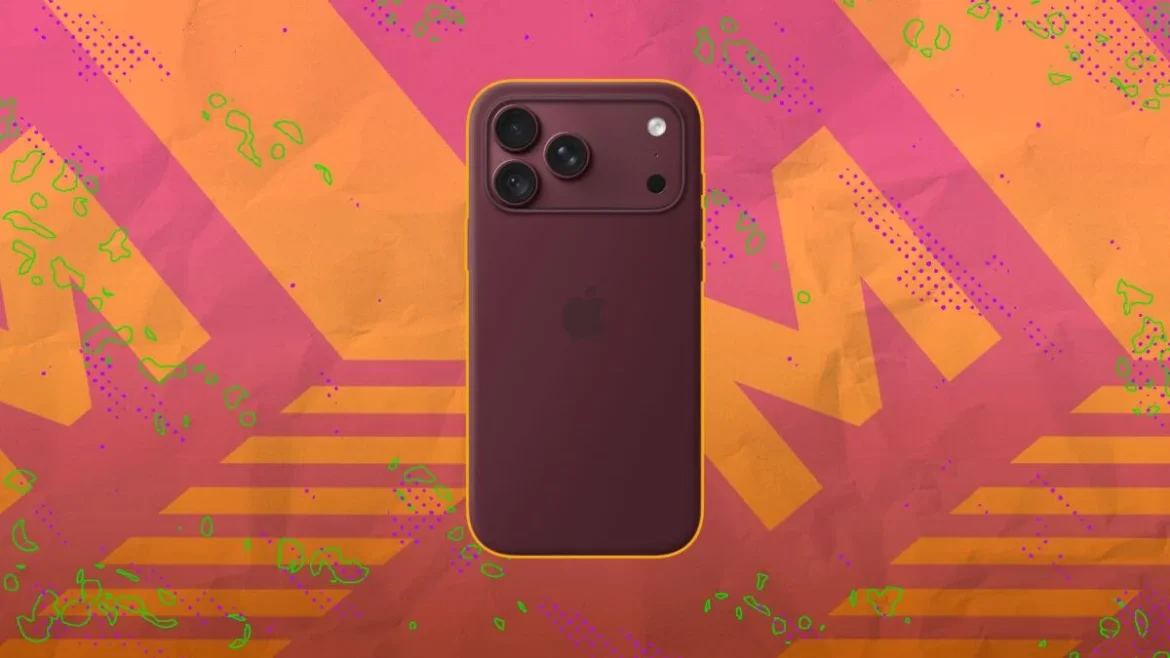
The annual release of Apple’s flagship smartphone lineup consistently serves as a major economic and technological milestone, triggering intense competition among major telecommunication providers eager to lock in high-value consumers. Following months of intense industry speculation, hardware leaks, and consumer anticipation, Apple officially pulled back the curtain on its newest generation of devices at its autumn hardware event. The comprehensive rollout introduced a fresh iteration of iPhones, alongside updated Apple Watch models and next-generation AirPods. While the ecosystem updates commanded significant attention, the iPhone models remain the primary driver of consumer upgrades and carrier acquisition campaigns.
Now that the initial wave of technical reviews has detailed the performance capabilities, camera enhancements, and design adjustments of the new hardware, the focus within the tech sector has shifted squarely toward launch promotions and carrier subsidization strategies. Among the aggressive slate of early-adopter offers, T-Mobile has emerged with a headline-grabbing promotion: the newly minted Apple iPhone 18 Pro is available at no initial equipment cost for qualifying customers. As carriers battle for market share in an increasingly saturated 5G landscape, offers of this magnitude warrant a closer examination of the underlying terms, financial structures, and broader implications for the consumer electronics and telecommunications industries.
Decoding the T-Mobile Promotional Structure
Securing Apple’s premier hardware without paying the retail price upfront is a compelling proposition for consumers weighing an upgrade, but the mechanics of carrier promotions require careful financial scrutiny. Under the terms of T-Mobile’s flagship launch offer, prospective buyers can claim a complimentary Apple iPhone 18 Pro by fulfilling specific criteria centered around plan adoption and customer acquisition.
To qualify for the promotion, consumers must choose one of two distinct pathways. The first option targets carrier switchers: individuals who bring their existing phone number over from a competing network and transition to an eligible "Experience Beyond" plan. The second option caters to existing subscribers or switchers alike, allowing them to trade in a qualifying smartphone—accepted in virtually any condition—while activating or maintaining service on the designated high-tier plan.
While the phone itself is marketed as "free," the financial value of the device is not wiped clean entirely; rather, it is distributed as a series of monthly bill credits over an extended commitment period. Specifically, T-Mobile spreads the savings across a 36-month device payment plan. This mechanism effectively locks the consumer into a three-year service agreement with the carrier. Should a customer decide to cancel their service or migrate to an ineligible plan before the 36-month term concludes, the remaining balance of the device becomes due immediately.
In addition to the long-term service commitment, buyers must account for certain upfront costs that are not covered by the promotional credit. T-Mobile requires customers to pay local sales taxes on the full, un-discounted retail value of the iPhone 18 Pro at the point of sale. Furthermore, a standard device connection fee of $35 per line is applied at checkout. While these initial out-of-pocket expenses are modest compared to purchasing a flagship phone outright, they represent immediate capital outlay that consumers must factor into their upgrade budgets.
The Chronology of Anticipation: From Leaks to Launch
The journey toward the release of the iPhone 18 Pro followed a well-established timeline that has come to characterize Apple’s annual product lifecycle. The narrative began months prior to the official announcement, fueled by supply chain murmurs, component manufacturing reports, and speculative commentary from technology analysts specializing in Apple’s operational roadmap. Throughout the spring and summer months, persistent leaks regarding potential design overhauls, thermal management improvements, and advanced imaging sensors dominated technology news cycles, steadily elevating consumer expectations.
As summer transitioned into autumn, the speculation reached a fever pitch. Industry observers closely monitored invitations sent out by Apple for its marquee September launch event, a fixture of the corporate calendar that routinely commands global media attention. When Apple executives finally took the stage to unveil the iPhone 18 Pro alongside companion hardware such as the Apple Watch Series 12 and updated audio peripherals, the event validated many of the core features anticipated by the market.
Following the announcement, a brief window of technical evaluation ensued. Media outlets, independent reviewers, and benchmarking laboratories subjected the hardware to rigorous testing to determine whether the generational leap justified the investment. With the technical consensus established and consumer demand validated, the market immediately pivoted to the commercial phase: retail availability and carrier subsidies. It is within this precise operational window that T-Mobile deployed its aggressive promotional strategy, aiming to intercept consumers at the exact moment of decision-making.
Strategic Implications for the Telecommunications Sector
The launch of a major Apple flagship invariably highlights the intense rivalry characterizing the United States telecommunications oligopoly, primarily contested between giants like T-Mobile, Verizon, and AT&T. Offering a device like the iPhone 18 Pro through a 36-month zero-net-cost promotion is not merely a charitable retail discount; it is a calculated customer acquisition and retention instrument.
By tying the hardware subsidy to the "Experience Beyond" plans, T-Mobile achieves multiple strategic objectives. First, it incentivizes churn from rival networks, drawing high-value consumers who might otherwise have remained loyal to competitors. Second, it encourages existing customers to upgrade their service tiers to meet the eligibility requirements, thereby increasing the carrier’s Average Revenue Per User (ARPU). Third, the three-year duration of the bill credit schedule effectively neutralizes customer churn for a significant duration, stabilizing subscriber metrics and securing predictable recurring revenue streams for the corporation.
This strategy reflects a broader industry trend where the smartphone itself has been largely decoupled from its retail price tag in the minds of consumers, functioning instead as a subsidized conduit for high-margin data services. As network infrastructure investments in 5G Advanced and emerging connectivity standards require substantial capital expenditure, carriers rely heavily on premium device bundles to justify tiered pricing structures and premium monthly fees.
Consumer Considerations and Financial Analysis
For the average consumer, evaluating a promotion like T-Mobile’s iPhone 18 Pro offer requires weighing short-term gratification against long-term financial obligations. Purchasing a flagship smartphone independently typically demands a substantial upfront investment, often exceeding one thousand dollars for pro-tier configurations. For households sensitive to immediate cash flow constraints, spreading the cost over 36 months via bill credits removes a significant barrier to entry.
However, financial analysts frequently emphasize the hidden costs associated with long-term carrier commitments. Committing to a specific service tier for three years limits a consumer’s flexibility to shop around for cheaper prepaid alternatives or competitor promotions should market conditions change or personal financial circumstances shift. Furthermore, customers must calculate the total cost of ownership by factoring in the monthly price of the required "Experience Beyond" plan compared to lower-cost standalone service options. If the mandatory plan carries a premium price tag that exceeds the monthly savings on the device, the consumer may ultimately pay more over the three-year period than they would have by purchasing the phone unlocked and pairing it with a budget carrier.
Additionally, the trade-in requirement introduces variables regarding the condition and residual value of the consumer’s legacy device. While T-Mobile’s policy of accepting phones "in any condition" democratizes access to the promotion—preventing consumers with cracked screens or outdated hardware from being excluded—it nonetheless transfers ownership of legacy assets to the carrier, which may refurbish and resell them or route them through secondary recycling markets.
Industry Outlook and Future Expectations
As the initial launch weekend unfolds, market researchers will closely monitor sales velocity and consumer uptake of the iPhone 18 Pro alongside competing offers from Verizon and AT&T. Historically, Apple’s pro-tier models capture a disproportionate share of early-adopter revenue, setting the tone for fourth-quarter financial results across both the technology and telecommunications sectors.
The aggressive nature of T-Mobile’s promotion signals that carrier subsidies will remain a dominant fixture of the mobile retail landscape for the foreseeable future. Despite regulatory scrutiny and shifting consumer preferences toward device longevity, the psychological appeal of acquiring the newest technological status symbol for "free" remains a potent marketing force. As the mobile ecosystem continues to evolve, the interplay between hardware innovation and carrier financing will continue to dictate how millions of consumers interact with personal technology.
