
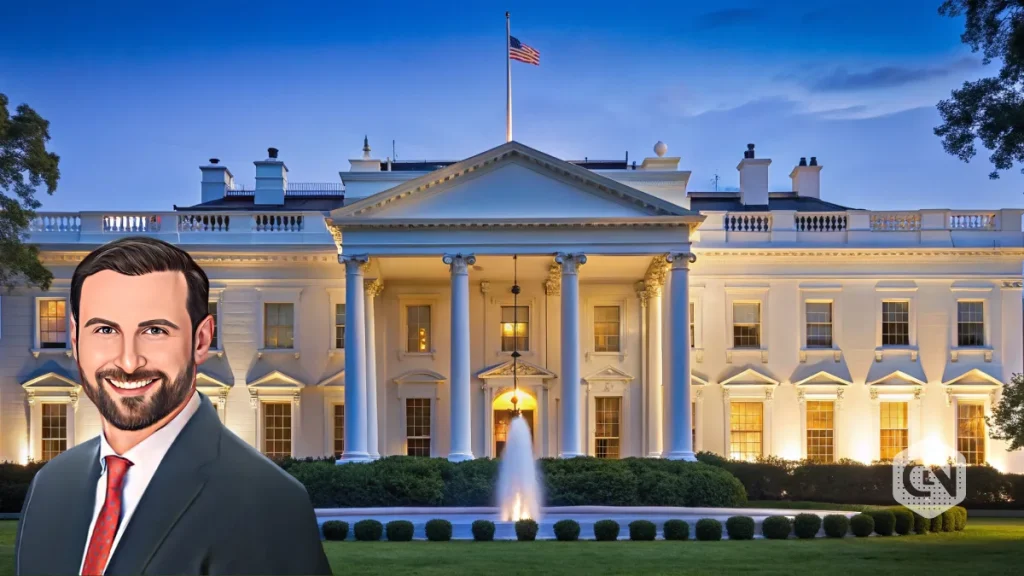
In a pivotal moment for the Digital Asset Market Clarity Act (CLARITY Act), White House crypto advisor Patrick Witt has successfully obtained a deferment from his mandatory service obligation with the Georgia Army National Guard. This deferment is critical as the U.S. Senate faces a rapidly shrinking legislative window to pass the landmark bill before its August recess. The potential absence of Witt, a key advocate for the legislation, at such a crucial juncture had raised significant concerns within the pro-crypto community and among proponents of the bill.
Witt himself confirmed the development via an official post, stating, "Last week, it was reported that I was set to leave for mandatory training as part of my service in the Georgia Army National Guard, right before Clarity hits the Senate floor. While I remain committed to fulfilling my service obligation, I am grateful to report that my training has been deferred, and that I will be able to see this effort through to the end." This statement underscores the high stakes involved and Witt’s dedication to advancing the CLARITY Act.
The CLARITY Act, which aims to establish a comprehensive regulatory framework for digital assets in the United States, has been a subject of intense debate and negotiation. The bill’s passage in the Senate requires a supermajority of 60 votes. According to multiple sources, it currently needs an additional seven votes from Democratic members to reach this threshold. Significant discussions are ongoing, particularly concerning the finalization of ethics language and robust consumer protection measures. These negotiations are crucial for garnering broader bipartisan support and addressing the concerns of various stakeholders.
This is not the first time Witt has had to navigate his military service commitments alongside his work on the CLARITY Act. He had previously postponed his Guard training in April to facilitate the bill’s advancement. Witt expressed his gratitude to former President Donald Trump and former crypto czar David Sacks for the opportunity to remain focused on his role in advancing digital asset policy.
Witt’s Urgent Call as Global Crypto Landscape Shifts
In a pointed commentary on the legislative stalemate, Patrick Witt recently issued a strong statement, implicitly criticizing U.S. lawmakers for the delays in approving the CLARITY Act. His remarks coincided with significant progress on similar legislation in Russia, highlighting a growing international divergence in approach to cryptocurrency regulation. Witt re-shared a previous post on social media, emphasizing the urgency of the situation: "The world won’t wait on America forever. We can either lead the way on digital assets by passing the Clarity Act, or watch as someone else sets the rules of global finance for us."
This warning comes as Russia is reportedly on the cusp of establishing a clear regulatory framework for cryptocurrencies. The foundational bill, titled "On Digital Currency and Digital Rights," successfully passed its first reading in the State Duma in April 2026. It is slated for its crucial second and third readings on July 21, 2026. This legislative push signifies Russia’s intent to actively engage with and regulate the burgeoning digital asset market, potentially positioning itself as a significant player in global digital finance.
The proposed Russian legislation is expected to recognize cryptocurrency as property. This classification would pave the way for regulated trading activities to be conducted through licensed intermediaries. Furthermore, the bill anticipates allowing limited use cases for digital assets, such as the purchase of securities and the swapping of digital assets. Such a comprehensive approach contrasts with the ongoing debates and incremental progress in the United States.
The CLARITY Act’s Critical Juncture Before August Recess
The current week represents one of the final opportunities for the Digital Asset Market Clarity Act to be brought to the Senate floor for a vote before the scheduled August recess. Lawmakers are anticipated to depart Washington D.C. between August 7th and 10th. Missing this legislative window could significantly postpone the bill’s prospects, potentially pushing its consideration into the post-midterm "lame-duck" session or even into 2027, following the midterm elections. This extended delay could allow other nations to solidify their regulatory positions and potentially set global standards, leaving the U.S. at a disadvantage.
The CLARITY Act is designed to delineate regulatory responsibilities between the Securities and Exchange Commission (SEC) and the Commodity Futures Trading Commission (CFTC) for digital assets. This division of authority aims to provide clarity and reduce regulatory ambiguity, which has been a significant impediment to innovation and investment in the U.S. crypto sector. The bill has already garnered support in the House of Representatives, having been approved in 2025. It subsequently advanced through the Senate Banking Committee in May 2026 with a bipartisan vote of 15-9, indicating a degree of consensus among key committee members.
Currently, the CLARITY Act is listed on the Senate calendar, but a specific date for a floor vote has not yet been scheduled. Senator Cynthia Lummis, a prominent advocate for the bill, has expressed optimism, stating that the legislation is "ready for prime time" and could be introduced for debate in the coming days. This suggests that legislative leadership is actively working to find a path forward.
However, significant disagreements persist regarding several key provisions within the bill. Democratic lawmakers have been vocal in their demands for more stringent ethics rules. Specifically, they are pushing for provisions that would prohibit federal officials, including the President, Vice President, and members of Congress, from holding or trading certain digital assets. This proposed ban aims to mitigate potential conflicts of interest and enhance public trust in the regulatory process.
President Donald Trump has publicly urged the Senate to pass the CLARITY Act, emphasizing the need for swift action. He has called for the support of key Senate leaders, including Senator Cynthia Lummis and Senator Tim Scott, who chairs the Banking Committee, as well as Majority Leader John Thune. A revised, merged draft of the bill is reportedly expected to be introduced this week, incorporating compromises and addressing outstanding concerns. The legislative strategy may involve a cloture motion to end debate or a direct floor debate, with the goal of securing a vote before the August recess.
The Evolving Global Regulatory Landscape for Digital Assets
The push for regulatory clarity in the United States occurs against a backdrop of accelerating global developments in cryptocurrency regulation. While the U.S. grapples with internal debates, other nations are moving decisively to establish legal frameworks for digital assets. This international competition for leadership in digital finance underscores the strategic importance of the CLARITY Act.
Key Chronology of the CLARITY Act’s Progress:
- 2025: The Digital Asset Market Clarity Act (CLARITY Act) is approved by the House of Representatives.
- April 2026: Patrick Witt postpones his Georgia Army National Guard training for the first time to focus on advancing the CLARITY Act.
- May 2026: The CLARITY Act advances through the Senate Banking Committee with a 15-9 vote.
- June 2026 (Early): Patrick Witt secures a deferment from his mandatory Guard training, ensuring his continued presence during the critical legislative period.
- July 2026 (Ongoing): Intense negotiations continue over ethics language and consumer protections, with a tight deadline looming before the August recess.
- July 21, 2026: Russia’s "On Digital Currency and Digital Rights" bill is scheduled for its second and third readings in the State Duma.
Broader Implications and Potential Impact:
The successful passage of the CLARITY Act would have far-reaching implications for the digital asset industry in the United States. A clear regulatory framework could:
- Boost Innovation and Investment: By reducing regulatory uncertainty, the bill could attract significant domestic and international investment into U.S.-based crypto companies and projects. This could foster job creation and economic growth within the technology sector.
- Enhance Consumer Protection: The inclusion of robust consumer protection measures would safeguard individuals from fraud and market manipulation, thereby increasing trust in digital assets.
- Strengthen U.S. Global Standing: Establishing clear rules would position the U.S. as a leader in the digital asset space, influencing global regulatory standards and preventing other nations from dictating the terms of international digital finance.
- Clarify Market Roles: The division of regulatory authority between the SEC and CFTC would provide much-needed clarity for market participants, streamlining compliance and reducing the risk of overlapping or conflicting regulations.
Conversely, the failure to pass the CLARITY Act before the August recess, or a significant delay, could lead to:
- Continued Regulatory Uncertainty: The absence of clear rules will likely deter institutional investors and stifle innovation, as companies remain hesitant to operate in a legally ambiguous environment.
- Exodus of Talent and Capital: U.S. crypto businesses might consider relocating to jurisdictions with more favorable regulatory regimes, leading to a loss of expertise and economic opportunity.
- Loss of Global Influence: Other countries could establish dominant regulatory frameworks, shaping the future of digital finance and potentially marginalizing the U.S. in this rapidly evolving sector.
The coming days are critical for the CLARITY Act. The ability of lawmakers to bridge divides on ethical considerations and consumer protections, coupled with the strategic presence of key advocates like Patrick Witt, will determine whether the United States can seize this opportunity to lead in the digital asset revolution or risk falling behind in the global financial landscape. The parallel progress of crypto legislation in Russia serves as a stark reminder of the competitive nature of this new economic frontier.
