
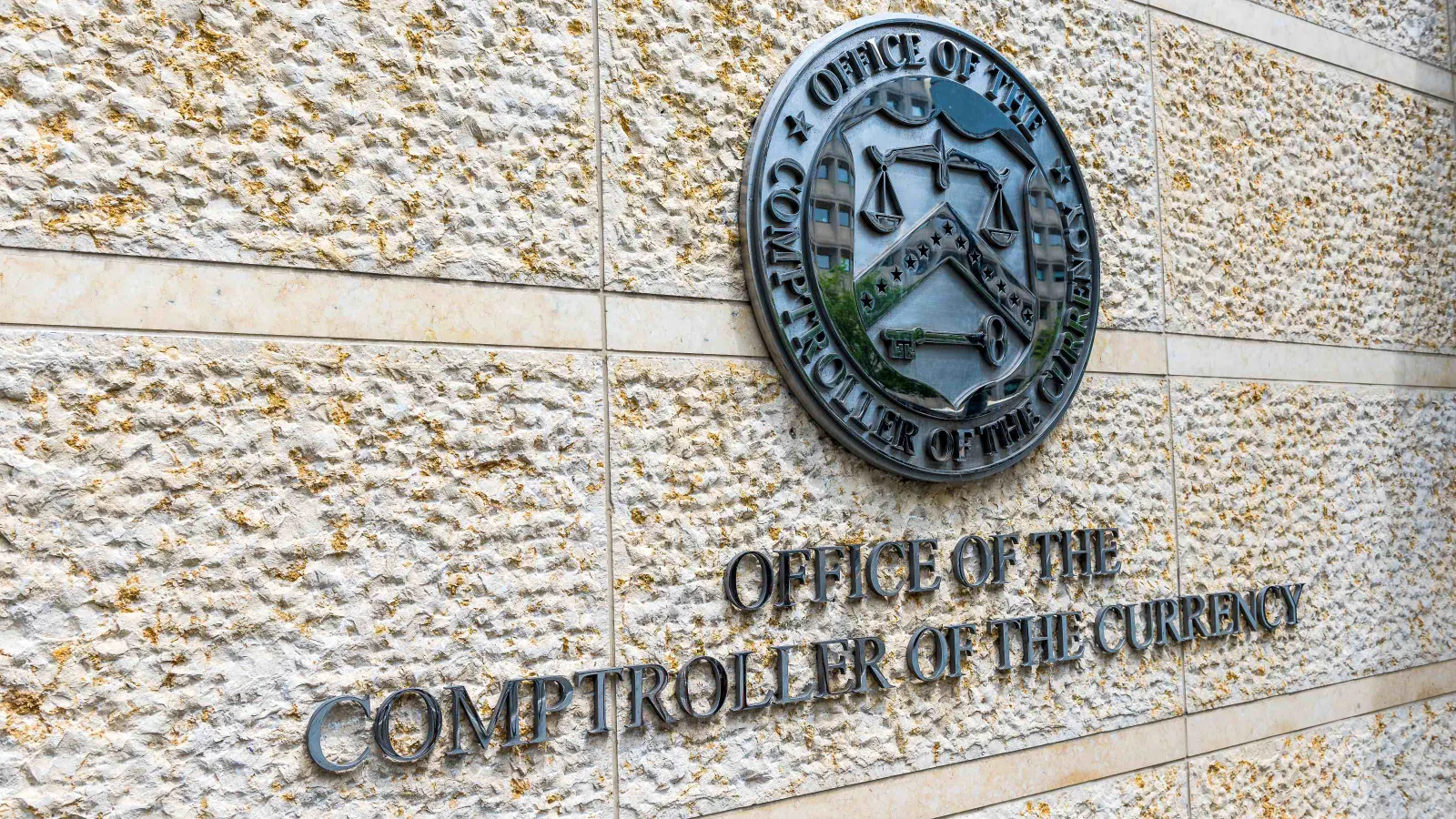
Embedded finance and payments technology firm Highnote has officially moved to transform its business model by applying for a national bank charter, a strategic pivot that signals a growing trend of fintech companies seeking to bring core banking functions in-house. The company, which specializes in card issuance and real-time payment processing, filed its formal applications with the Office of the Comptroller of the Currency (OCC) and the Federal Deposit Insurance Corp. (FDIC) this past Monday. The proposed entity, to be branded as Highnote Bank N.A., is being positioned as a "national bank built for payments," designed to integrate ledger, compliance, and capital flow services under a single federal regulatory umbrella.
Founded in 2020, Highnote has spent the last four years building a robust infrastructure that allows enterprises to manage credit programs, facilitate real-time money movement, and issue payment cards through a unified platform. By seeking a national charter, the company aims to move beyond the constraints of its current "fintech-as-a-service" model, which relies on partnerships with existing banks to provide the underlying infrastructure for its clients. Highnote’s current client roster includes prominent organizations such as BNY, the home-improvement retailer Lowe’s, and the cross-border payment specialist PingPong.
Strategic Leadership and Regulatory Guidance
To spearhead this transition, Highnote has appointed Tim Bogan as the leader of the new banking venture. Bogan brings deep institutional experience to the role, having previously served as the chief risk officer, chief compliance officer, and chief audit executive at LendingClub. His tenure at LendingClub was marked by the successful $185 million acquisition of Radius Bank in 2020—a landmark deal that effectively converted the online lender into a full-service digital bank, now operating as Happen Bank. Bogan’s expertise in navigating the complex regulatory landscape associated with bank mergers and chartering processes is viewed by industry analysts as a vital asset for Highnote’s ambitious expansion.
The application process is being managed with the support of the Klaros Group, a regulatory consultancy firm, and the law firm Davis Polk & Wardwell. Michele Alt, co-founder and partner at Klaros Group, noted that Highnote is an ideal candidate for such a transition. According to Alt, the company’s established footprint in the business-to-business sector and its sophisticated, proprietary technology stack provide a solid foundation for managing the regulatory requirements of a full-service national bank.
The Regulatory Landscape for De Novo Banks
The decision to apply for a national bank charter is part of a broader, ongoing shift in the American financial services landscape. Since 2025, the OCC has reported receiving 56 de novo bank applications, with 28 having received approval. These applications reflect a growing desire among fintech firms to achieve greater operational independence. By obtaining a charter, companies can reduce their dependence on "sponsor banks," thereby streamlining their compliance programs and significantly lowering the cost of transaction processing.
The path to a charter, however, is rarely straightforward. It is a resource-intensive endeavor that requires years of preparation and significant capital investment. While firms like Nubank and Checkout.com have recently achieved conditional approvals—Nubank with the OCC and Checkout.com via a limited-purpose bank charter in Georgia—other companies have explored alternative routes. For example, rent-focused fintech Flex and the credit card startup Upgrade have opted to pursue industrial loan company (ILC) charters, which are regulated by the FDIC and specific state authorities.
The variety of charter types being explored—ranging from national bank charters to Georgia’s merchant acquirer limited-purpose bank (MALPB) charter—highlights the diversity of strategies fintechs are employing to align their business models with the most efficient regulatory frameworks.
Implications for the Financial Ecosystem
The movement of fintechs into the banking sector is not merely an exercise in corporate restructuring; it represents a fundamental change in how financial services are delivered to consumers and businesses. Comptroller of the Currency Jonathan Gould recently emphasized that a functional and transparent chartering process is essential for the banking system to remain dynamic. According to the OCC, the infusion of new capital and fresh technological approaches into institutions subject to federal supervision allows the industry to evolve in tandem with consumer expectations for speed, transparency, and digital access.
From a competitive standpoint, the entry of technologically agile players into the banking market serves as a catalyst for incumbent banks. As newer entrants bring more efficient cost structures and modern user interfaces to the table, traditional banks are increasingly pressured to modernize their legacy systems. This competitive tension is expected to result in better pricing and improved service quality for end-users across the economy. As Michele Alt succinctly stated, "Where goes banking, so goes the economy."
Challenges and Future Considerations
Despite the clear strategic benefits, industry experts warn that becoming a bank is "not for the faint of heart." The transition from a software-first company to a federally regulated bank introduces layers of oversight that can be cumbersome for firms accustomed to the rapid iteration cycles of the tech industry. The process involves rigorous stress testing, capital requirement mandates, and ongoing compliance audits that can distract from product innovation if not managed correctly.
"It is an expensive and complex undertaking," Alt noted, emphasizing that achieving scale as a bank takes years of consistent execution. For Highnote, the move to a national bank charter will necessitate a significant cultural shift, as the company transitions from a technology partner to a fiduciary institution responsible for the safety and soundness of client deposits and financial operations.
As of late November 2025, formal information regarding Highnote’s application has not yet appeared on the public records of the OCC. A spokesperson for the company did not provide immediate comments regarding the timeline or the specific operational changes anticipated upon approval. However, the company’s public communications indicate that the charter is viewed as the "natural next step" in its evolution, promising a future where "one integration, one ledger, and one compliance program" serve as the backbone for every money flow handled by its clients.
Chronology of the Fintech Banking Trend
The drive toward bank charters by payments companies has accelerated over the past three years. The following milestones illustrate the industry’s trajectory:
- 2020: LendingClub acquires Radius Bank for $185 million, marking one of the first major instances of a fintech firm utilizing a bank acquisition to secure a national charter.
- 2023–2024: Various fintechs, including those in the payments, rent-management, and credit sectors, begin exploring specialized state-level charters as the federal approval process remains stringent.
- January 2025: Nubank receives conditional approval from the OCC, signaling a renewed willingness from federal regulators to greenlight digital-first banking models.
- November 2025: Highnote files its formal application for a national bank charter, positioning itself as a "bank built for payments" and aiming to integrate its existing embedded finance platform with federal banking capabilities.
Conclusion
Highnote’s application represents a significant test of the current regulatory appetite for digital-first, payment-focused national banks. By attempting to bridge the gap between software-based financial services and regulated banking, the company is betting that its technological maturity will outweigh the regulatory hurdles inherent in the chartering process. Should the application be successful, it would validate the strategy of "vertical integration" in fintech, wherein a single firm controls the entire value chain—from software interface to the regulatory balance sheet. As the OCC and FDIC review the submission, the broader financial industry will be watching closely to see if the regulator’s commitment to a "dynamic" banking system translates into a new era of bank-fintech convergence.

