
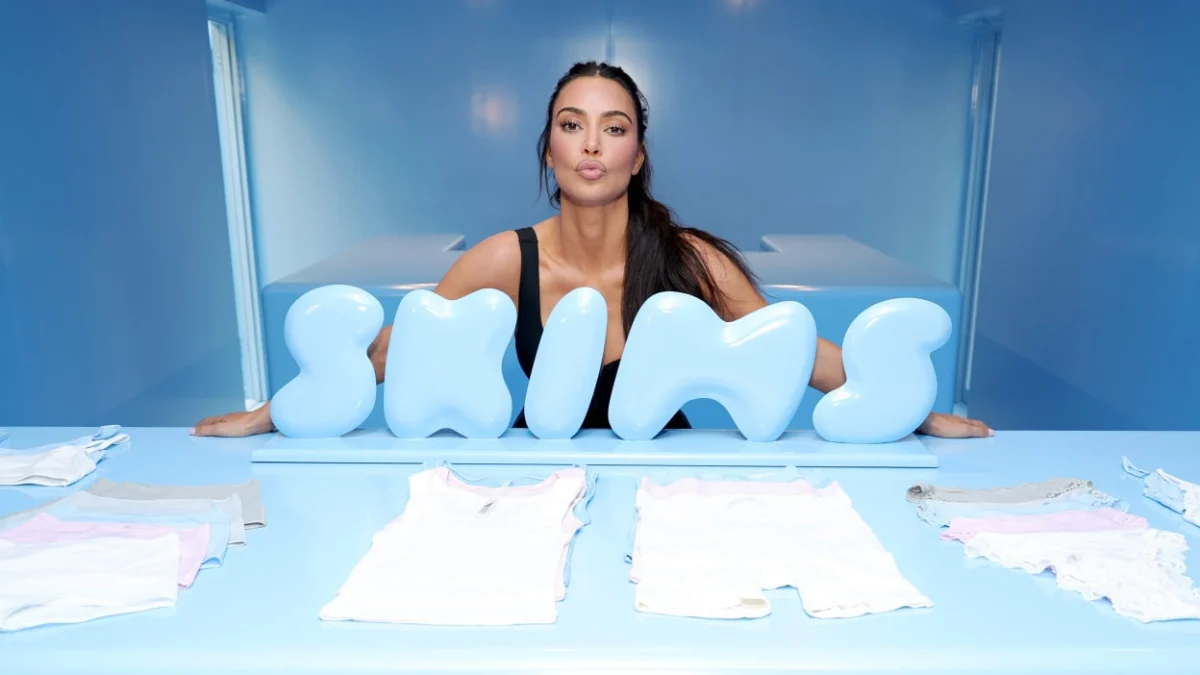
The intersection of luxury loungewear branding and viral social media critique has once again demonstrated the immense power of digital consumer feedback, culminating in a high-profile corporate retreat over a seasonal product. Skims, the shapewear and apparel giant co-founded by Kim Kardashian, found itself at the center of a widespread digital backlash in November 2026 following the release of its $148 holiday advent calendar. What was intended as a festive countdown geared toward dedicated brand enthusiasts quickly devolved into a viral cautionary tale on TikTok, sparking intense debate over perceived value, corporate transparency, and the economics of influencer-driven holiday merchandise. Within days of initial customer unboxings, public dissatisfaction swelled to a level that forced the company to take the rare step of issuing widespread refund offers, even as the product remained sold out online.
The Anatomy of a Viral Backlash
The controversy began to gain traction during the first week of November 2026, as buyers across the globe opened the initial doors of their newly arrived Skims advent calendars. Among the early voices was TikTok creator @wetsloppyswollen, who broadcast her experience unboxing day eight of the luxury calendar. By that point in the holiday countdown, she had accumulated a teddy bear keychain, multiple hair ties, satin scrunchies, a small foam novelty item bearing the Skims logo, and a set of bobby pins—an item that had already appeared behind an earlier door.
The video, published on November 6, struck a nerve with internet users and rapidly accumulated 65 million views over a 72-hour period. The viral momentum opened the floodgates for dozens of other beauty and lifestyle creators to share their own unboxing videos. Kayla Ryan, a creator with 1.6 million followers, publicly expressed dismay over the contents, while others compared the Skims product unfavorably to advent calendars released by competitors such as P. Louise and H&M. Commenters on social media platforms frequently derided the selection of goods, comparing them to items found lost between couch cushions or discarded on the floor of a car, prompting some users to jokingly rebrand the company as "Skams."

Product Transparency Versus Consumer Expectation
The core of the dispute highlighted a distinct disconnect between corporate product disclosure and consumer expectations regarding luxury pricing. When Skims originally launched the advent calendar on October 29 as part of its seasonal Holiday Shop collection, the product listing included a detailed "Fit & Fabric" breakdown outlining the exact contents behind each of the twelve doors.
A review of the initial product specifications reveals that the calendar was heavily weighted toward low-cost accessories rather than the apparel or high-end items typically associated with the brand’s core business. Specifically, seven of the twelve days featured hair-related items, including two packs of satin scrunchies, two packs of bobby pins, and a pair of headbands constructed from bra elastic. Four additional doors contained novelty keychains—including one featuring an integrated comb and another housing a fuzzy compact mirror—while the final item was a branded foam squishy toy.
Despite this itemized disclosure on the brand’s e-commerce platform, many buyers approached a $148 lifestyle product carrying the Skims name with expectations of higher-value items or signature garments. When those expectations collided with the reality of receiving basic hair accessories and keychains, the mismatch fueled widespread public disappointment on TikTok and X (formerly Twitter). Defenders of the brand argued that the calendar was explicitly marketed as an accessories-focused item intended for superfans who appreciated branded novelty goods, pointing out that the inclusion list was publicly available prior to purchase. Nevertheless, digital culture analysts noted that text-based disclosures on e-commerce websites hold little weight against the emotional, theatrical impact of a live video unboxing viewed by millions.
Corporate Response and Timeline of Events
As public pressure mounted over the weekend, Skims moved quickly to mitigate potential damage to its brand reputation.

- October 29, 2026: Skims officially releases its holiday collection, including the $148 accessories advent calendar, with itemized contents listed in the online product details.
- November 6, 2026: TikTok creator @wetsloppyswollen publishes an unboxing video highlighting the calendar’s contents, which quickly achieves viral status with 65 million views.
- November 7–8, 2026: Widespread social media backlash intensifies as additional creators post critical unboxing videos and comparisons with competing holiday products.
- November 9, 2026: A Skims representative issues a public statement acknowledging that the product failed to meet customer expectations and announces that all purchasers have been contacted regarding full refunds or store credit options.
In its official statement released on November 9, a company representative addressed the controversy directly. "We understand that the calendar didn’t meet expectations," the spokesperson stated, confirming that the company had proactively reached out to every customer who purchased the box. Under the resolution offered by Skims, consumers were given the option to return the calendar for a full monetary refund or retain the item while receiving an equivalent amount in store credit. Despite the intense wave of online criticism, the product page ultimately redirected to the brand’s general accessories section after selling out entirely, underscoring the enduring purchasing power and baseline consumer demand driven by the Kardashian-backed enterprise.
Broader Implications for Brand Loyalty and TikTok Commerce
The Skims advent calendar controversy serves as a modern case study in the risks and rewards of marketing high-ticket lifestyle goods in the era of short-form video platforms. Brands that rely heavily on social media hype and influencer culture increasingly find themselves vulnerable to rapid consumer feedback loops. While viral unboxings have become a cornerstone of holiday retail marketing strategies, they strip away traditional advertising gloss, presenting products in an unfiltered, real-time environment where consumers judge value instantly.
Furthermore, the incident highlights the shifting relationship between celebrity-backed enterprises and their core demographics. For devoted followers of Skims, branded novelties can function as collectible memorabilia, imbuing everyday items like bobby pins or keychains with fandom value. However, when those same items are priced at a premium tier of $148, the broader digital public evaluates them through a strictly utilitarian lens, comparing manufacturing costs and perceived utility against market standards.
By taking swift accountability and offering unconditional refunds, Skims managed to neutralize what could have escalated into a prolonged public relations crisis. The episode demonstrates that in the modern retail landscape, consumer trust is heavily tied to responsiveness; while viral backlash can strike a brand overnight, proactive customer service remains one of the few effective tools to preserve brand equity in the digital age.

