
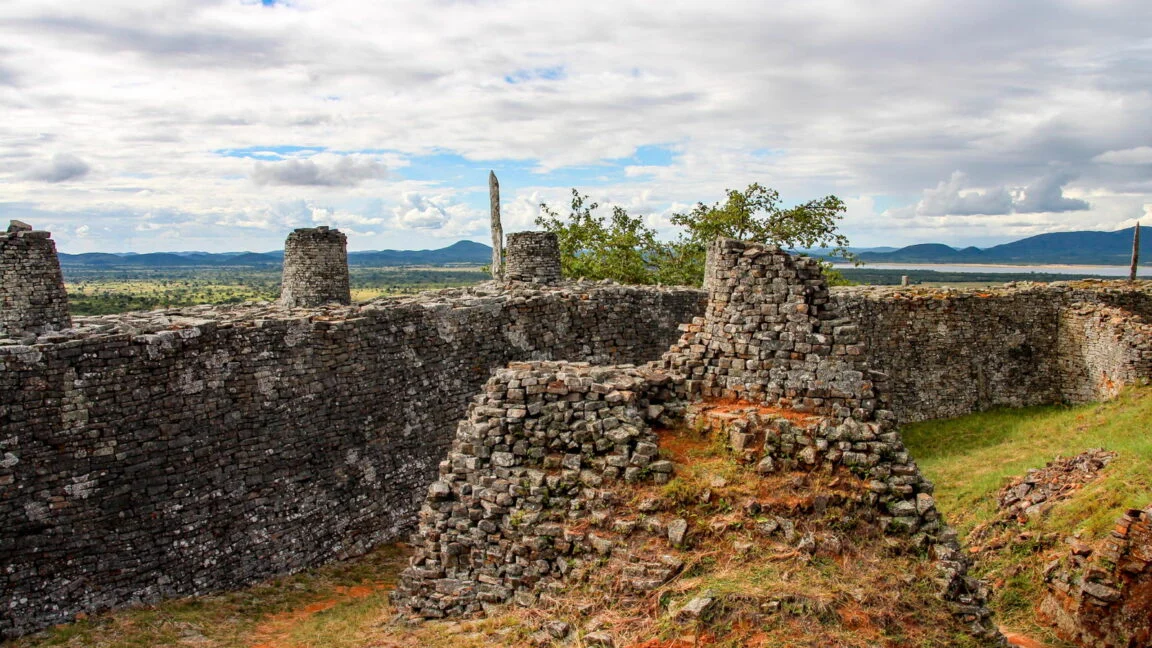
The movement of Bantu-speaking peoples across sub-Saharan Africa represents one of the most significant demographic and cultural transformations in human history. Beginning approximately 6,000 years ago, this gradual expansion from a homeland in West Africa—likely within the Grassfields region of modern-day Cameroon—redefined the social, technological, and linguistic landscape of the continent. By integrating farming, metalworking, and a sedentary lifestyle, these populations expanded across the southern half of Africa, eventually influencing the development of civilizations as sophisticated as the Kingdom of Great Zimbabwe. Today, the legacy of this migration is evident in the languages spoken by over 350 million people and the genetic makeup of populations across the continent and throughout the African diaspora.
The Origins of the Expansion
The Bantu expansion was not a single, rapid event but a multi-millennial process of movement and adaptation. Archaeological and linguistic evidence suggests that the ancestors of these groups were innovators who brought a distinct "package" of technologies to new regions. This package included the cultivation of crops, the domestication of livestock, the manufacture of pottery, and, crucially, the mastery of iron smelting.
Prior to the arrival of Bantu-speaking groups, much of eastern and southern Africa was inhabited by hunter-gatherer societies. The introduction of sedentary agriculture allowed Bantu-speaking communities to sustain larger populations and occupy diverse ecological niches, from the dense Congo rainforest to the savanna regions of the south. This transition was marked by a distinct progression of pottery styles and tool technologies that can be traced from north to south, providing a clear, if complex, roadmap of their movement.
Chronology of a Continental Shift
The timeline of this expansion has been a subject of intense scientific debate for decades, but current consensus, bolstered by genetic and linguistic data, provides a clearer picture:
- 6,000 to 4,000 Years Ago: Initial divergence occurs in the Bantu homeland, likely in the borderlands of modern-day Nigeria and Cameroon. Ancestral Bantu speakers begin to move southward and eastward.
- 4,000 to 2,500 Years Ago: The groups encounter the Congo rainforest. Linguistic studies suggest that these populations remained in the forest for an extended period, leading to a significant diversification of language roots.
- 2,500 to 1,500 Years Ago: The expansion accelerates. Groups emerge from the southern fringes of the rainforest, splitting into two distinct streams: one moving toward eastern Africa and another pushing deep into southern Africa.
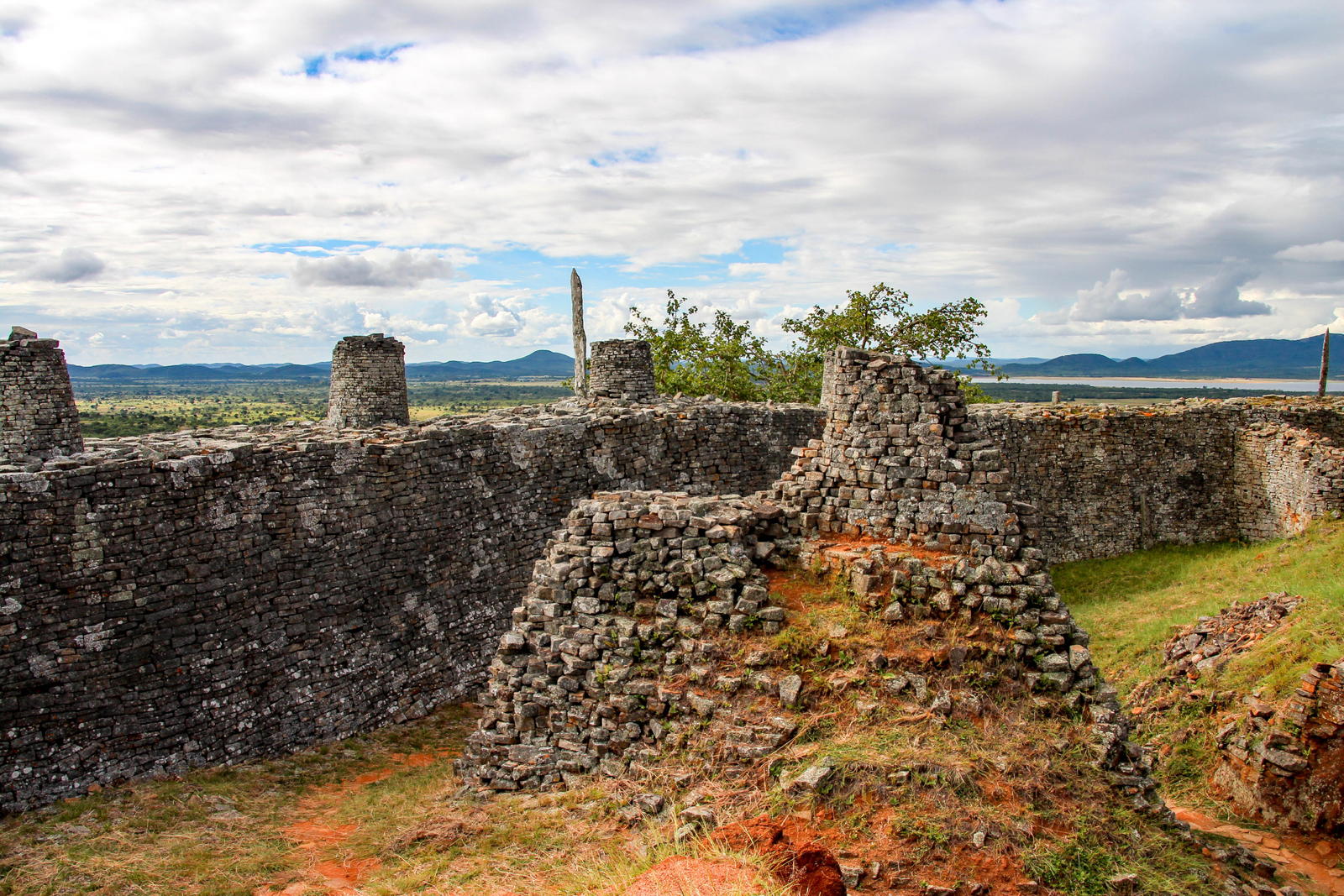
- 1,000 to 1700 AD: The establishment of complex, state-level societies, most notably the Kingdom of Great Zimbabwe. This era saw the height of iron-smelting technology and the development of extensive international trade networks connecting southern Africa to the Indian Ocean economy.
Technological Mastery and Iron Production
The success of the Bantu expansion was inextricably linked to their mastery of metallurgy. At sites surrounding the ruins of Great Zimbabwe, archaeologists have uncovered the remnants of highly advanced iron-smelting furnaces. These structures, some nearly the width of an adult’s arm span, utilized a natural-draft system that eliminated the need for manual bellows. By using a chimney-effect to pull air through the furnace, these smelters achieved temperatures exceeding 2,100 degrees Fahrenheit, allowing for the efficient production of high-quality iron tools such as hoes, axes, and arrowheads.
Archaeometallurgist Ezekiel Mtetwa of the Field Museum of Natural History notes that the sheer scale and technical sophistication of these sites suggest an intensive, specialized industry. Evidence even suggests that these ancient smelters understood the chemistry of their work; the addition of bone fragments to the ore—a practice that may have served a ritualistic purpose—also provided calcium, which acts as a flux to improve the purity of the smelted iron. This metallurgical prowess was not only a driver of domestic productivity but also a key export, with historical records from Muslim cartographers confirming that southern African iron was highly prized across international trade routes.
Genetic Evidence and Population Intermixing
The question of whether the Bantu expansion was a migration of people or merely a diffusion of ideas was largely settled by the advent of modern genomics. Genetic studies, including a landmark 2024 analysis of 1,763 African genomes, have confirmed that the genetic diversity of Bantu speakers is highest in western Africa and declines predictably with distance from that region—a classic signature of a population expansion.
However, this was not a displacement in the total sense. Research indicates extensive intermixing between Bantu-speaking migrants and the indigenous hunter-gatherer groups they encountered, such as the rainforest foragers and the Khoisan peoples. In many southern African populations, genetic markers reveal a complex history of interaction. For instance, studies of mitochondrial DNA (maternal) and Y-chromosomes (paternal) suggest that many southern Bantu-speaking groups possess a higher-than-expected proportion of Khoisan ancestry on the maternal side, pointing to historical patterns of intermarriage or power-dynamic shifts.
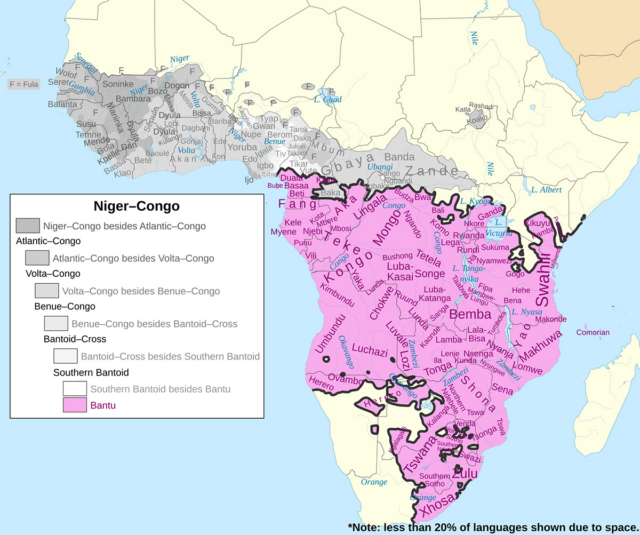
This mixing also left a profound mark on the languages of the region. The iconic "click" sounds found in Southern African Bantu languages like Zulu and Xhosa are widely believed to be an influence borrowed from Khoisan languages, a remnant of the long-term, bilingual interactions between these groups.
Linguistic Evolution and the Challenge of History
Linguistics remains one of the primary windows into the Bantu past. With roughly 500 distinct languages in the family, the diversity observed today is a testament to the long duration of the migration. However, reconstructing the "family tree" of these languages is fraught with difficulty. Traditional computational methods have often assumed that languages evolve in isolation; yet, recent studies indicate that contact, borrowing, and cross-pollination between groups were constant.
Igor Yanovich, a researcher at the University of Vienna, has highlighted the challenges of using current datasets to trace these roots. If linguists and geneticists are to fully reconstruct the story, they must account for the reality that the Bantu expansion was not a clean tree-like branching, but a messy, overlapping series of migrations and cultural exchanges.

Implications and Future Directions
The study of the Bantu expansion is currently undergoing a renaissance, driven by interdisciplinary cooperation between archaeologists, geneticists, and linguists. Yet, the field faces significant obstacles, most notably a disparity in research funding. As archaeologist Shadreck Chirikure of the University of Oxford points out, much of the research currently depends on European funding, which limits the scope of investigation and the ability of local African institutions to lead these efforts.
The broader implications of this research are profound. By understanding the migration, scholars are not just filling in the blanks of pre-colonial history; they are also uncovering the roots of modern African cultural identity. The diversity of food, music, social structure, and philosophy across sub-Saharan Africa is the direct result of this centuries-long process of human movement and adaptation.
Looking ahead, the focus is shifting toward the analysis of ancient DNA from archaeological sites, which promises to reveal specific timelines of when and where different Bantu groups settled. As these data points are connected, the history of the Bantu-speaking people will continue to be rewritten, moving away from simplified narratives toward a more nuanced, evidence-based understanding of how they reshaped the continent. The ongoing effort to document the remaining Bantu languages before they disappear is also a priority, as these tongues contain the oral memories and classifications of a history that written records never captured. Through this blend of cutting-edge science and traditional scholarship, the story of the Bantu migration serves as a testament to human innovation, resilience, and the power of cultural exchange.

