
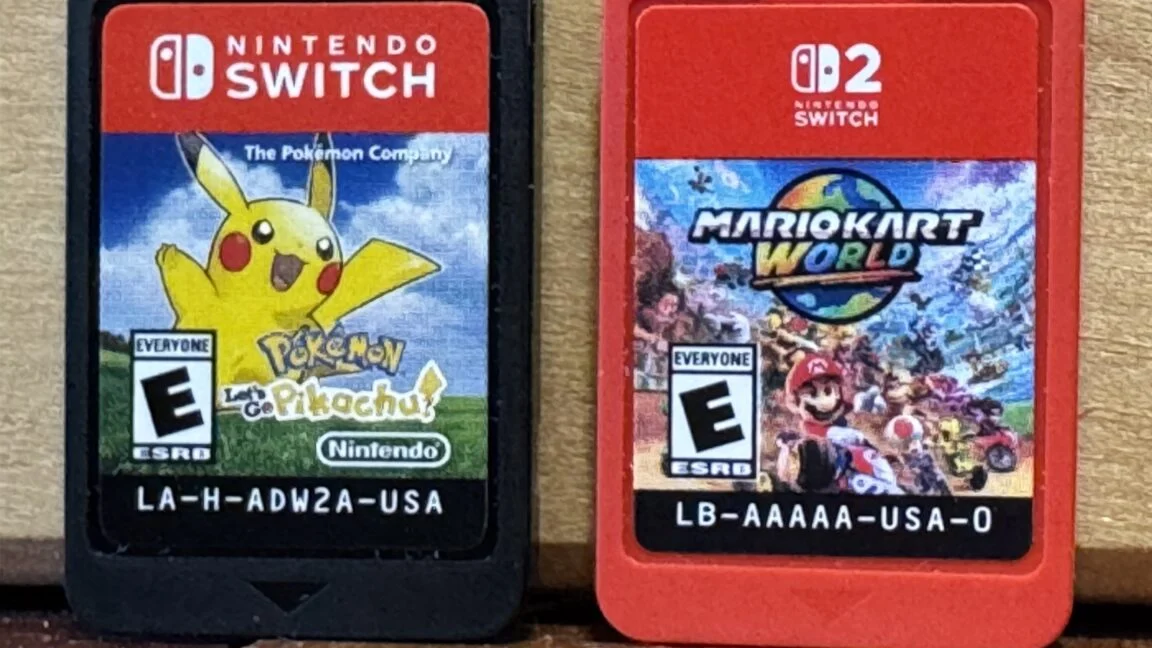
The landscape of physical media in the video game industry is undergoing a profound transformation, characterized by shifting consumer habits, supply chain volatility, and a strategic divergence between major hardware manufacturers. While Sony Interactive Entertainment has increasingly pivoted toward an all-digital infrastructure, Nintendo continues to maintain a steadfast commitment to the physical game cartridge. However, this dedication is not without significant operational challenges. As the industry advances further into the digital age, the economics of producing physical ROM-based media have become increasingly precarious, forcing Nintendo and its third-party publishing partners to navigate a complex web of rising manufacturing costs and dwindling component availability.
The State of Physical Media in 2026
Despite the prevailing narrative that physical media is a dying relic of a bygone era, Nintendo’s strategic stance remains clear: the cartridge is a core component of the brand’s identity and revenue stream. During a recent corporate strategy briefing held in mid-2026, Nintendo leadership reiterated that there are no immediate plans to abandon physical production. This sentiment is rooted in a deep understanding of the Nintendo user base, which has historically shown a strong preference for physical ownership, collectability, and the secondary market utility that discs and cartridges provide.
However, the "limping along" reality of the supply chain cannot be ignored. The specialized ROM chips required for Nintendo cartridges are manufactured by a shrinking pool of suppliers, most notably Rohm and Lapis Semiconductor. As the global demand for older or specialized chip architectures declines in favor of high-performance AI and mobile processors, the cost of manufacturing these niche ROM components has surged. This economic reality creates a paradoxical situation where Nintendo remains committed to a format that is becoming increasingly expensive to sustain, leading to a ripple effect that touches publishers, retailers, and ultimately, the consumer.
A Chronological Shift in Cartridge Economics
The friction between maintaining a physical library and managing production costs did not emerge overnight. The trajectory can be traced back to several key milestones over the last two years:
- Late 2025: Industry whispers regarding the "Switch 2" hardware began to solidify, with reports indicating that Nintendo was experimenting with lower-capacity, cost-effective cartridges. This was seen as a necessary compromise to keep physical releases viable for indie developers and mid-sized publishers who might otherwise be priced out of the physical market.
- December 2025: The publisher Inin, known for its niche retro and arcade collections, provided a candid look at these constraints. When announcing the physical release of R-Type Dimensions III, the company noted that the project was only financially feasible due to the introduction of new, smaller-capacity storage tiers for Nintendo’s next-generation hardware. This highlighted the sensitivity of physical margins; even a slight reduction in production costs was the deciding factor between a digital-only release and a physical product.
- March 2026: Nintendo took the definitive step of decoupling the pricing of digital and physical games. By officially charging a premium for physical copies compared to their digital counterparts, Nintendo signaled a shift in its business model. This move serves to offset the logistics, material, and distribution costs inherent in physical media, effectively asking the consumer to subsidize the manufacturing premium.
- Mid-2026: As of the second calendar quarter of 2026, digital sales accounted for 61.5 percent of Nintendo’s software revenue. This represents a steady, albeit slow, climb from previous years, illustrating that while the physical market is shrinking in total percentage, it remains a massive pillar of the company’s business model.
The Supply Chain Bottleneck
The reliance on specific legacy semiconductor suppliers presents a structural risk for Nintendo. Unlike traditional hard drive storage or Blu-ray discs, which benefit from massive economies of scale due to their use in PCs and consoles, Nintendo’s proprietary cartridge format is highly specialized. The manufacturing process requires clean-room facilities and specific lithography techniques that are increasingly being decommissioned in favor of more modern chip fabrication.
When a company like Lapis Semiconductor or Rohm adjusts its production lines to meet the needs of the automotive or IoT sectors, the availability of ROM-ready wafers for Nintendo experiences a squeeze. This leads to longer lead times and higher per-unit costs. Analysts have noted that this is not merely a supply issue; it is a fundamental challenge of obsolescence. To keep the physical format alive, Nintendo is essentially paying for the privilege of keeping older production lines operational—a cost that is inevitably passed down the value chain.
Strategic Implications and Future Outlook
The broader impact of these developments is twofold. First, it creates a "luxury" tier for physical media. By charging more for cartridges, Nintendo is positioning physical copies as a premium, collector-focused product. This aligns with the broader gaming industry’s trend of "premiumization," where physical goods—often including steelbooks, art cards, or limited-run packaging—are sold as high-value items rather than standard software commodities.
Second, the increasing digital-to-physical ratio provides a long-term solution to the cost crisis. As the market naturally drifts toward digital downloads, the absolute demand for ROM chips will decrease. If the rate of decline in demand matches the rate at which production costs rise, Nintendo may eventually reach a "steady state" where physical production remains a small, highly profitable, and sustainable niche. Analyst David Gibson has suggested that if the current 61.5 percent digital trend continues, the reduction in volume may actually balance out the production costs, effectively stabilizing the physical market at a lower total output.
Third-Party Publisher Perspectives
For third-party publishers, the situation is far more precarious than it is for Nintendo itself. Nintendo, as the platform holder, can absorb manufacturing fluctuations across its entire portfolio. Smaller publishers, however, operate on thin margins. When the cost of a cartridge rises, a publisher must choose between increasing the MSRP (which risks suppressing sales) or cancelling the physical release entirely.
Industry feedback suggests that the industry is currently in a state of "strategic hesitation." Many developers are opting for limited physical runs—often handled by third-party boutiques like Limited Run Games—rather than mass-market retail releases. This allows publishers to gauge demand through pre-orders before committing to expensive production runs, thereby mitigating the risk of unsold inventory.
The Digital vs. Physical Debate: A Nuanced Reality
It is a common misconception that the rise of digital sales is purely a result of consumer preference for convenience. While the ease of downloading a game is a major factor, the industry’s shift is also a response to the logistical nightmare of physical supply chains. Between the 2020 pandemic-induced shortages and the current semiconductor volatility, publishers have become increasingly wary of the risks associated with global shipping, warehousing, and inventory management.
However, the "digital-only" future is not universally accepted. Concerns regarding digital rights management (DRM), server closures, and the loss of long-term accessibility continue to drive a vocal segment of the audience toward physical media. Nintendo’s decision to continue producing cartridges is, in part, a customer service decision. By maintaining this option, they retain a segment of the market that values ownership—a demographic that is often more loyal and willing to pay a premium for their gaming hobby.
Conclusion
The story of Nintendo’s physical game production is a testament to the company’s conservative yet calculated approach to hardware and software ecosystems. While the "limping along" nature of current cartridge economics is undeniable, it is a managed decline rather than an uncontrolled exit. By segmenting their pricing, relying on technological iterations to lower costs, and watching the digital-physical balance shift, Nintendo is effectively buying time.
As we move deeper into the second half of the decade, the physical cartridge may transform from a standard distribution method into a specialty format. For the consumer, this means that the days of physical media being the "default" choice for all games may be drawing to a close, replaced by a world where the physical copy is a deliberate, premium choice. Nintendo’s ability to navigate these currents will likely serve as the final chapter in the history of the physical video game cartridge, proving that even in a digital-first world, there is still a significant, albeit expensive, place for the tangible.

