
Hardware cryptocurrency wallet manufacturer Trezor has issued an urgent security advisory after receiving credible reports regarding a suspected malicious hardware implant discovered inside a Trezor Safe 5 device. The compromised hardware was reportedly distributed through CryptoBilis, a regional reseller operating in Southeast Asia. Although the Prague-based firm has not yet physically received the intercepted device to conduct a forensic laboratory analysis, it has strongly advised potentially impacted customers to immediately relocate their private keys and digital assets to known, secure wallets.
The security scare marks a troubling escalation in sophisticated supply-chain attacks targeting cryptocurrency holders globally. Trezor hardware wallets are physical devices engineered to provide cold storage for cryptographic private keys, keeping them entirely isolated from internet-connected threats while authorizing blockchain transactions offline. The Trezor Safe 5 is among the manufacturer’s flagship offerings, featuring advanced security architectures and color touchscreen displays. However, this latest incident highlights how even state-of-the-art consumer hardware can become vulnerable if physical supply chains are successfully compromised by malicious actors prior to end-user delivery.
Anatomy of the Supply-Chain Compromise
The alarming discovery came to light following a detailed incident report submitted by an Indonesian customer. According to available details, the user purchased a Trezor Safe 5 device in August 2026 via the prominent regional e-commerce platform Tokopedia, with fulfillment handled by CryptoBilis. Upon unboxing the device, the customer noticed structural anomalies and opened the chassis to inspect the internal components.
Inside the physical casing, the user allegedly uncovered an unauthorized, rogue circuit board skillfully wedged between the device’s primary printed circuit board (PCB) and its integrated screen. This custom-built micro-implant was reportedly equipped with an onboard cellular communication module and a miniature antenna. Based on the preliminary, unconfirmed technical assessment provided by the customer, this spy implant was designed to passively capture sensitive visual data rendered on the wallet’s display—most critically, the user’s secret recovery phrase (seed phrase) during setup or subsequent use. Once captured, the rogue hardware allegedly utilized its cellular module to stealthily transmit the critical keys over a mobile network to an external command-and-control server the moment the device was plugged into a power source or host computer.
Industry-Wide Ripple Effects and the Ledger Connection
The implications of the Trezor incident extend far beyond a single isolated event, heavily mirroring a nearly identical supply-chain breach disclosed earlier in the month involving rival hardware wallet manufacturer Ledger. CryptoBilis, the same retailer implicated in the Trezor Safe 5 compromise, was previously identified as a vector in the Ledger hardware spy implant incident that triggered widespread panic across Asian crypto communities. Security analysts examining both cases noted striking similarities in the form factor, engineering, and malicious functionality of the unauthorized hardware implants recovered from devices distributed by the same Southeast Asian reseller network.
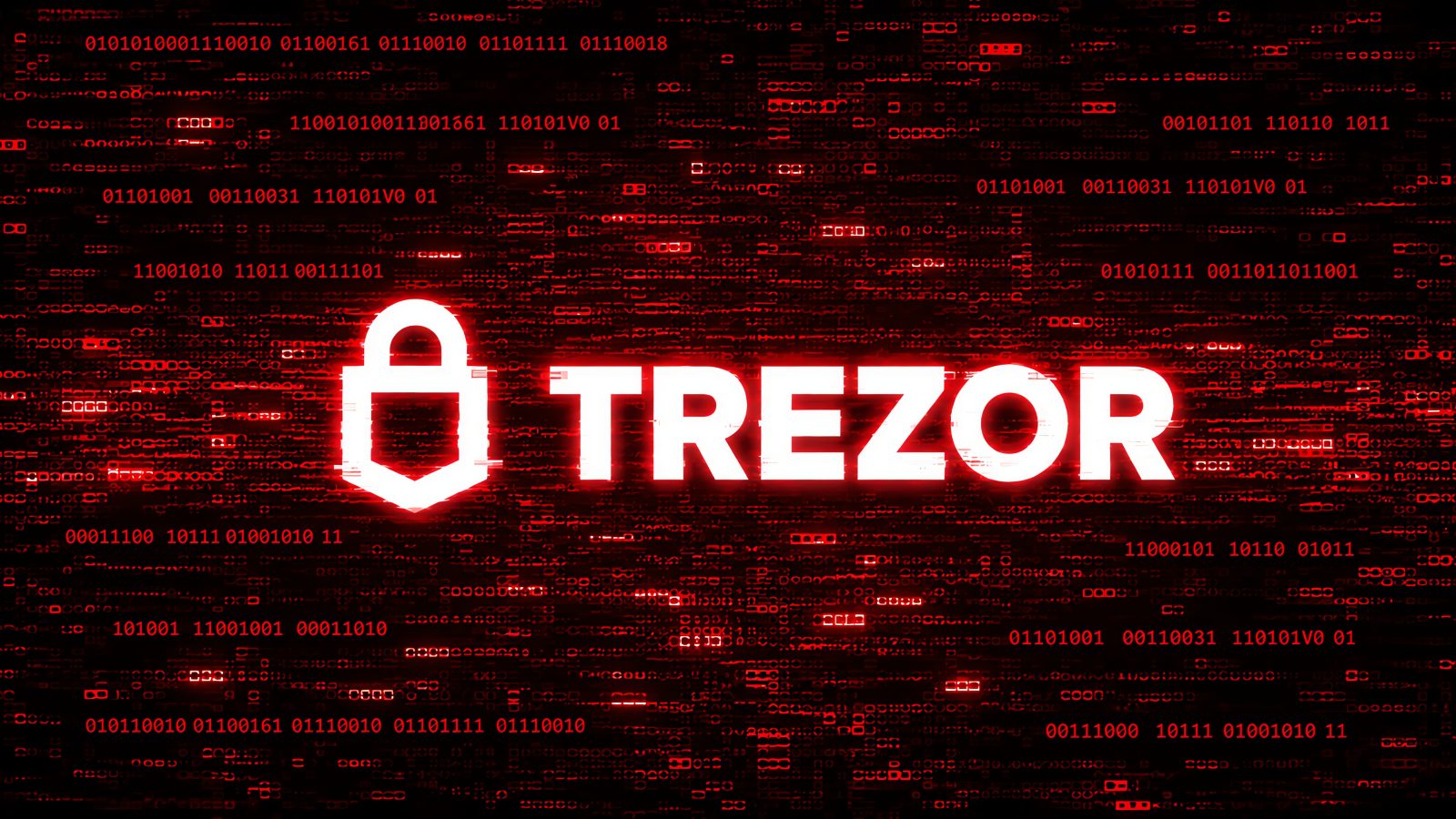
In the wake of the Ledger revelations, hardware manufacturers and regional distributors have faced intense scrutiny. Ledger responded to its breach by formally requesting all regional resellers and authorized distributors across Southeast Asia and Hong Kong to temporarily halt all commercial sales until comprehensive forensic audits could confirm the absolute integrity of their inventory.
Proactive Measures and Corporate Response
Demonstrating heightened industry vigilance following the Ledger disclosures, Trezor did not wait for definitive proof of internal compromise before taking decisive action. On October 9, 2026—before receiving the initial customer complaint regarding the Safe 5 implant—Trezor proactively severed ties with CryptoBilis and immediately suspended all authorized device sales through the reseller.
In subsequent public communications, Trezor management announced a sweeping global restructuring initiative aimed at tightening and auditing its entire international reseller and distribution network. The company aims to enforce stricter cryptographic validation, secure warehousing protocols, and traceable packaging to prevent unauthorized third-party tampering.
Trezor has publicly stated that it currently possesses no telemetry or customer reports indicating that actual funds have been successfully stolen as a direct consequence of this specific supply-chain attack. The company confirmed that the suspect device is currently in transit to its engineering laboratories for exhaustive forensic evaluation, promising to release a comprehensive technical bulletin once the physical examination concludes.
Escalating Financial Losses and Law Enforcement Advisories
While hardware wallet manufacturers scramble to secure their supply chains, the broader ecosystem is already counting the costs of these sophisticated physical intrusions. Multiple reports of severe financial losses sustained by Ledger and multi-brand hardware users have steadily surfaced throughout October 2026.
The gravity of the situation prompted official government intervention. Notably, the Singapore Police Force issued a formal public advisory on October 28, 2026, warning citizens about tampered cryptocurrency hardware wallets circulating within local markets. According to law enforcement figures cited in the advisory, these compromised devices have already contributed to cumulative financial losses exceeding $3,500,000 in reported cryptocurrency thefts across the region.
Actionable Guidance for Consumers and Mitigation Strategies
In light of the ongoing investigations, Trezor has established clear, conservative remediation guidelines for customers who procured devices through regional channels in Southeast Asia. The company explicitly recommends that any user who purchased a Trezor device via CryptoBilis from March 2026 onward should treat the hardware as potentially compromised, regardless of whether the packaging appeared sealed or untouched.
For individuals who have already initialized and loaded funds onto a device purchased from the implicated reseller, Trezor outlines a strict emergency protocol:
- Immediate Asset Migration: Users must generate a brand-new, secure wallet using a trusted, verified device and immediately transfer all digital assets and tokens using a fresh, independently generated recovery phrase.
- Avoid Reusing Compromised Hardware: Under no circumstances should the potentially tampered device be trusted or reused for future cryptographic operations.
- Proof of Purchase Claims: Customers holding valid receipts and proof of purchase from the affected reseller are encouraged to contact Trezor customer support directly to coordinate a verified replacement device or secure discount voucher.
Furthermore, Trezor issued an important technical caveat to consumers attempting to verify device authenticity at home: weighing the physical hardware package or device is entirely ineffective and unreliable as a method for detecting hidden internal circuit boards or cellular implants, as modern micro-components add negligible weight.
Broader Implications for the Hardware Security Model
The convergence of supply-chain attacks on both Trezor and Ledger highlights a profound vulnerability in the fundamental trust model of cryptocurrency cold storage. For over a decade, the crypto community has operated under the core assumption that hardware wallets purchased through authorized third-party resellers are inherently secure against physical espionage, provided the outer packaging anti-tamper seals remain intact.
The successful injection of custom cellular relay implants directly into retail distribution channels demonstrates that determined threat actors—likely possessing advanced technical capabilities and logistical access—are shifting their focus away from complex remote software exploits and toward physical supply-chain interdiction. By intercepting hardware at the regional distribution level, attackers can bypass software-based security checks entirely, exploiting the ultimate point of vulnerability: the user’s trust in physical hardware integrity.
As security teams at Trezor, Ledger, and international law agencies continue their collaborative investigations, the incident serves as a stark reminder that the hardware security landscape is evolving. Moving forward, manufacturers will likely be forced to adopt cryptographically verifiable supply chains, tamper-evident glass enclosures, and direct-to-consumer fulfillment models to restore consumer confidence in the foundational safety of self-custody hardware.

