
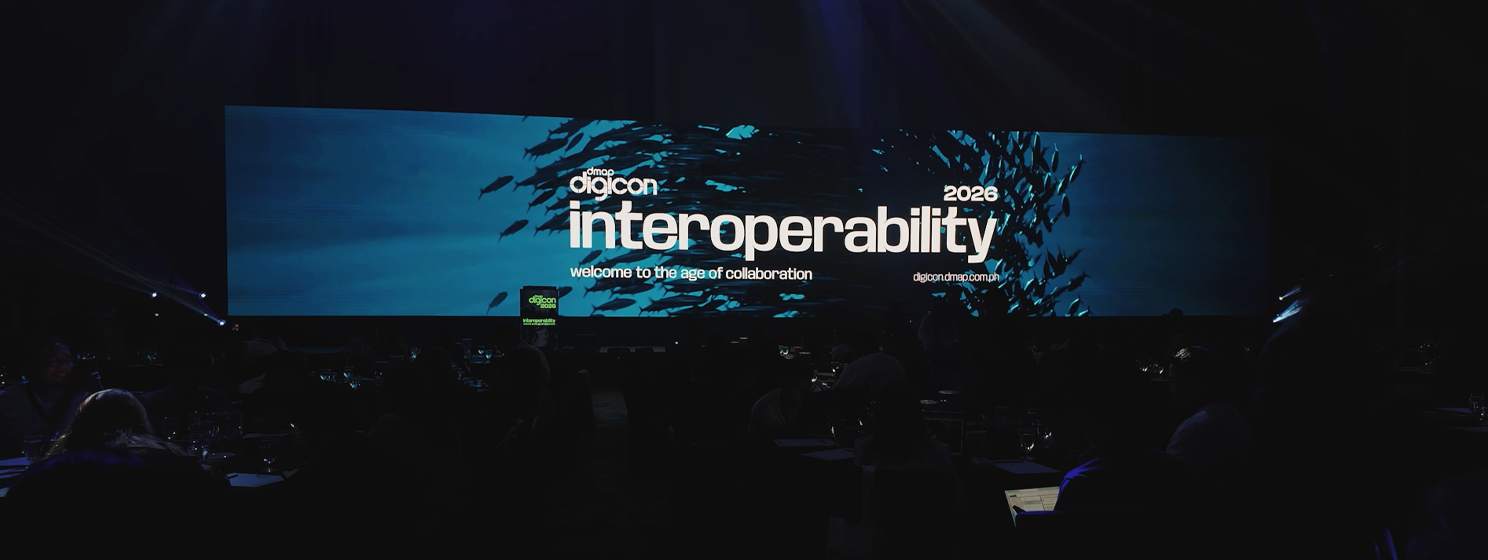
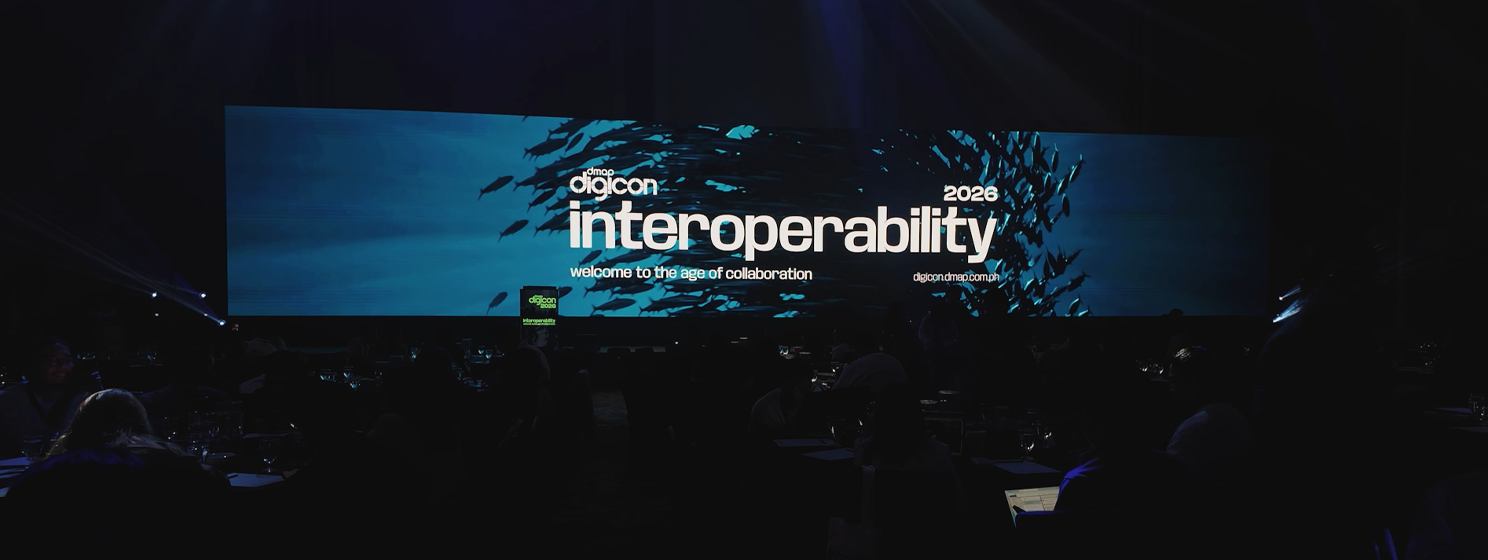
The Manila Marriott Hotel served as the epicenter of digital transformation this week as more than 2,000 industry professionals, technology architects, and marketing visionaries gathered for DigiCon 2026. Organized by the Digital Marketing Association of the Philippines (DMAP), the two-day summit centered on the theme "Interoperability: Welcome to the Age of Collaboration," challenging the long-held belief that business success is solely dictated by the acquisition of cutting-edge software. Instead, the conference posited that the true competitive advantage of the next decade lies in the seamless integration of systems, human capital, and strategic partnerships.
The Paradigm Shift: Beyond Technological Silos
For years, the corporate world has been defined by a "tool-first" mentality. Organizations have poured billions of dollars into AI-driven analytics, CRM platforms, and automated marketing suites. However, DigiCon 2026 highlighted a growing disillusionment with this approach. The central argument presented by speakers and panelists was that high-end digital tools often fail to deliver a return on investment when they operate within departmental silos.
Interoperability, in this context, transcends technical integration. While it involves the ability of disparate software platforms to communicate and share data, it also encompasses the cultural interoperability of teams. Shayne Madamba, co-chair of DMAP, emphasized during the opening sessions that the most profound breakthroughs occur when institutional barriers are dismantled.
"Interoperability isn’t just about machines connecting," Madamba noted. "It is about the fluidity of knowledge transfer, the alignment of cross-functional teams, and the creation of a unified ecosystem where partners and providers work toward a shared customer objective."
Keynote Insights: The Mechanics of Serendipity
The event’s keynote address, delivered by Dr. Christian Busch, author of Connect the Dots, provided a philosophical anchor to the technical discussions. Dr. Busch argued that in an increasingly automated world, the human ability to identify and act upon "serendipitous" opportunities remains the ultimate differentiator.
"The power of interoperability is that there are all these unexpected opportunities in these chance moments between people and between different things," Dr. Busch explained. He challenged the audience to move beyond passive data collection. According to Busch, a business process is only as strong as its ability to synthesize unexpected information—such as a spontaneous customer insight or an off-hand comment from a partner—into actionable strategy.
His address resonated with the broader conference theme: that data alone is sterile. For a system to be truly interoperable, the human components of that system must be trained to recognize the "dots" and possess the organizational agility to connect them rapidly.
Chronology of the Summit
The two-day conference followed a rigorous schedule designed to bridge the gap between abstract theory and practical implementation:
- Day 1: Theoretical Frameworks and Visionary Leadership. The morning sessions focused on the macro-economic implications of digital collaboration. Keynotes explored how the Philippine digital economy is evolving to meet global standards of integration. Afternoon tracks shifted to the necessity of data governance as a precursor to effective interoperability.
- Day 2: Technical Application and Tactical Execution. The second day was characterized by deep-dive workshops. Topics ranged from the deployment of AI agents in iGaming operations to the technical requirements for bridging digital and physical customer experiences (Phygital marketing). The day concluded with a plenary session on the future of measurement and accountability in an era of fragmented digital touchpoints.
Data-Driven Perspectives on Market Integration
The discussions at DigiCon 2026 did not exist in a vacuum. They were underscored by the reality of the current Philippine digital landscape. Industry analysts present at the conference noted that while digital adoption rates in the region have surged, "operational friction" remains a primary drag on profitability.
According to preliminary data discussed during the panels, companies that invest in cross-departmental interoperability see a 15–20% increase in operational efficiency within the first 18 months. This is largely attributed to the reduction in redundant data entry and the elimination of "shadow IT"—the practice of departments using unapproved software to bypass existing, ineffective systems.
Miko David, President of DMAP, underscored the importance of measurement in this process. "If you are someone that cares about metrics and return on investment, you have to realize that you cannot measure what you cannot connect," David stated. He urged participants to look at their current tech stacks not as a collection of individual assets, but as a singular, living organism.
Practical Applications: The Rise of AI Agents
A significant portion of the exhibition floor was dedicated to the practical deployment of AI agents. Unlike traditional software that requires constant human input, the AI agents demonstrated at DigiCon 2026 are designed to act as autonomous collaborators. These agents can ingest data from multiple sources, perform complex logical tasks, and trigger actions in other systems—a literal demonstration of technical interoperability.
For marketing professionals, this means a shift from manual campaign management to "agent orchestration." By allowing AI to handle the interoperable backend, human teams are freed to focus on the high-level strategic "dots" that Dr. Busch alluded to in his keynote.
Broader Implications and Strategic Recommendations
The consensus among the 2,000 attendees was clear: the era of the "all-in-one" platform is waning, replaced by an era of "best-of-breed" connectivity. Businesses are no longer seeking a single vendor to solve every problem; they are seeking vendors whose systems play well with others.
This shift has significant implications for how companies should approach procurement, hiring, and leadership:
- Procurement Policy: Future technology investments must be vetted against their API capabilities and their ability to integrate into the existing ecosystem. Any tool that creates a new data silo should be rejected, regardless of its individual feature set.
- Cultural Agility: As Miko David suggested, leaders must cultivate an "open-minded" culture. This involves incentivizing cross-departmental collaboration and rewarding employees who identify opportunities for system-wide improvements rather than just local efficiencies.
- Accountability and Measurement: With the rise of AI and complex data flows, companies must establish robust frameworks for accountability. Understanding where data originates, how it is processed, and what outcomes it drives is the foundation of a modern, interoperable business.
Conclusion: The Road Ahead
As DigiCon 2026 drew to a close, the mood among participants was one of cautious optimism. The challenges identified—fragmentation, legacy system inertia, and organizational resistance to change—are substantial. However, the path forward is illuminated by the principle of collaboration.
By focusing on interoperability, businesses in the Philippines and beyond are positioned to navigate the complexities of the digital age more effectively. The event served as a stark reminder that technology, no matter how sophisticated, is merely an enabler. The real work of digital transformation happens in the space between the tools, in the connections between teams, and in the willingness of leaders to act on the unexpected insights that define modern commerce.
As professionals return to their respective organizations, the mandate is clear: start by connecting the dots, foster an environment of radical collaboration, and ensure that every new tool serves to build a more integrated, responsive, and human-centric enterprise.

