
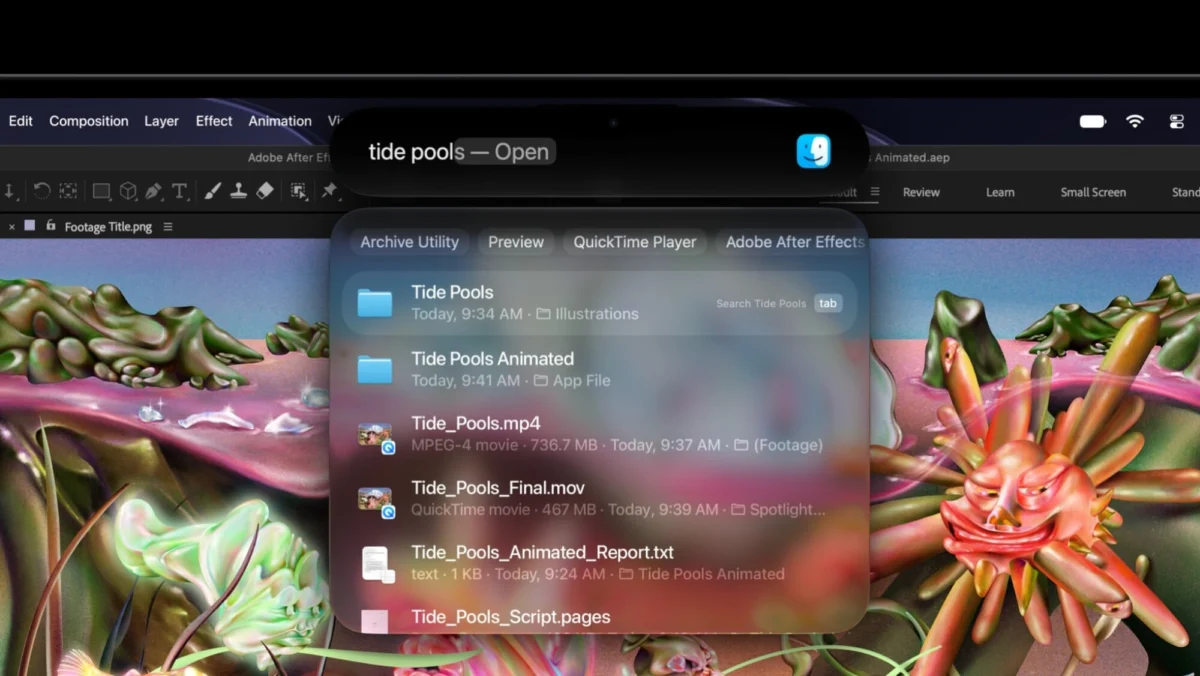
The technology landscape shifted significantly this week as Apple concluded its high-profile "Pro and Tell" product announcement series with the debut of a radically redesigned MacBook Pro. Wednesday marked the apex of the week-long virtual and press event, during which the Cupertino-based tech giant showcased a series of hardware updates, headlined by a touch-enabled MacBook Pro equipped with a revolutionary "PROLED" XDR display. Yet, amidst the excitement surrounding the long-awaited introduction of touchscreen capabilities to the Mac ecosystem, a subtle yet profound hardware evolution was largely buried within the technical specifications of Apple’s extensive press release: the integration of the Dynamic Island.
For the first time in the history of the Mac product line, Apple is bridging the design gap between its mobile ecosystem and its professional portable computers by incorporating the pill-shaped UI module directly into the laptop’s display assembly. While industry analysts and consumers spent the days leading up to the announcement speculating on the viability and implementation of a macOS touchscreen, the inclusion of the Dynamic Island introduces an unexpected layer of software and hardware unification. This feature, which first debuted on the iPhone 14 Pro lineup, now finds a permanent home on Apple’s premier laptop, signaling a continued convergence of user experience across vastly different form factors.
Chronology of the Pro and Tell Event
The path to Wednesday’s monumental reveal was carefully orchestrated across several days, reflecting Apple’s modern strategy of rolling out hardware updates via targeted daily announcements rather than a single, monolithic keynote presentation.
The "Pro and Tell" event kicked off early in the week with updates centered around the company’s broader computing ecosystem, generating considerable momentum within the tech sector. Analysts and consumers alike tuned in daily to parse specifications for anticipated refreshes across various product categories. Tuesday brought minor yet notable updates to peripheral devices and internal component configurations, setting the stage for the definitive hardware showcase scheduled for mid-week.
By Wednesday morning, anticipation reached a fever pitch as Apple published its comprehensive press documentation detailing the next generation of portable computing. The highlight of the day was undeniably the new MacBook Pro, engineered with a cutting-edge PROLED XDR screen designed to rival the highest-end desktop reference monitors. However, as developers and tech journalists combed through the dense technical specifications and marketing copy, the revelation regarding the Dynamic Island quickly emerged as the most widely discussed software-hardware crossover of the event.
Detailed Integration and Functional Capabilities
According to official documentation released by Apple, the Dynamic Island on the new MacBook Pro serves as a contextual nerve center, functioning identically in principle to its iOS counterpart while scaling gracefully to accommodate the vast expanse of a desktop-class operating system.
Despite occupying a relatively modest paragraph within the overarching press release, the company outlined several key functions assigned to the interactive module. The Dynamic Island on the MacBook Pro acts as the primary visual nexus for the newly enhanced Siri AI, localized Spotlight search queries, and real-time Live Activities. Promotional screenshots provided by Apple demonstrate that users can seamlessly manage incoming AirDrop transfers and control active media playback directly from the menu bar area, minimizing the need to switch windows or navigate away from primary workflows.
Despite these advanced integrations, Apple has maintained a distinct hardware boundary between its mobile devices and laptop lineup. Notably, the MacBook Pro’s implementation of the Dynamic Island does not house the hardware components necessary for Face ID biometric authentication. Instead, biometric security remains anchored to the physical keyboard via Touch ID, ensuring that users retain their accustomed desktop authentication workflow while benefiting from the expanded display real estate and interactive notification framework.

Industry Background and Ecosystem Homogenization
The introduction of the Dynamic Island to the Mac portfolio represents a calculated step in Apple’s multi-year strategy to harmonize user interfaces across its entire hardware ecosystem. Since replacing the traditional iPhone notch, the Dynamic Island has evolved from a clever hardware-software compromise into a defining stylistic and functional pillar of Apple’s design language.
Historically, Apple has maintained a deliberate separation between iOS and macOS, viewing the distinct input methods—touch versus mouse and keyboard—as fundamentally divergent user paradigms. However, with the progressive convergence of Apple Silicon architecture, the integration of touchscreens, and now the adoption of iOS-native interface modules like the Dynamic Island, the boundary lines are increasingly porous. This strategic homogenization reduces the cognitive load for consumers moving between an iPhone, iPad, and Mac, creating a cohesive, frictionless technological environment.
Market research indicates that unified design systems significantly enhance brand loyalty and streamline the learning curve for new hardware adopters. By bringing a familiar interactive element to the MacBook Pro, Apple reassures users that innovation across its product lines is interconnected, potentially encouraging iPhone power users who have previously hesitated to adopt a Mac to transition more comfortably into the ecosystem.
Fact-Based Analysis of Market Implications
The unveiling of a touch-enabled MacBook Pro featuring the Dynamic Island carries profound implications for the personal computer market at large. For years, competing PC manufacturers have offered touchscreen laptops running Windows, often with varying degrees of market adoption and ergonomic utility. Apple’s persistent resistance to touch interfaces on laptops became a hallmark of its design philosophy, anchored in the belief that vertical touchscreens were ergonomically fatiguing and redundant in the presence of trackpads and mice.
The reversal of this policy, paired with the inclusion of mobile-derived UI elements, suggests a maturing perspective on productivity hardware. As professional workflows increasingly blend creative tasks, mobile application development, and cross-platform media consumption, the demand for versatile, multi-modal input devices has grown exponentially.
Furthermore, the implementation of the Dynamic Island opens up new avenues for third-party software developers. With software development kits (SDKs) inevitably expanding to support macOS Dynamic Island integrations, developers can now create unified Live Activities and notification widgets that persist seamlessly across a user’s phone, tablet, and laptop. This ecosystem synergy creates a powerful competitive moat that few rival technology conglomerates can replicate.
Broader Impact and Future Outlook
As the dust settles on Apple’s "Pro and Tell" announcement week, industry observers are already looking toward the future trajectory of the Mac lineup. The inclusion of the Dynamic Island on the flagship MacBook Pro raises immediate questions regarding trickle-down technology adoption.
Standard industry precedent suggests that features debuting on pro-tier hardware eventually find their way into consumer-facing devices. If the reception to the Dynamic Island on the MacBook Pro proves favorable among enterprise users and creative professionals, subsequent iterations of the MacBook Air and potentially desktop-adjacent displays could incorporate similar interface modules.
Ultimately, Wednesday’s announcements signify more than just a routine hardware refresh; they mark a pivotal chapter in Apple’s ongoing quest to synthesize its hardware portfolio into a singular, highly integrated digital ecosystem. Whether consumers and professionals fully embrace the intersection of touchscreens and mobile UI paradigms on a professional laptop will depend heavily on the real-world performance and developer support of these newly introduced features in the months ahead.

