
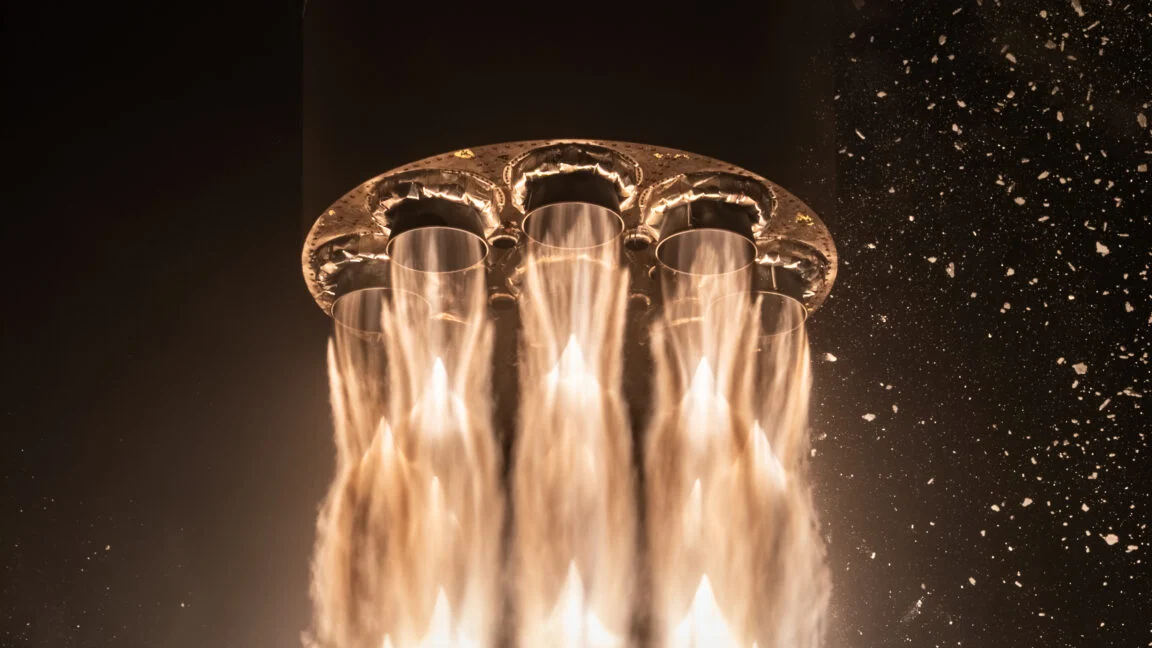
The recent successful orbital insertion of the Spectrum rocket by the German launch provider Isar Aerospace marks a pivotal moment in the European space industry, signaling that the demand for dedicated, boutique launch services remains robust despite the dominant market position held by industry giants like SpaceX. This milestone, achieved from a launch facility in northern Norway, saw the Spectrum rocket successfully deploy a collection of CubeSats into low-Earth orbit. The success follows a challenging initial test flight last year, providing a much-needed morale boost to the European space sector as it attempts to diversify its access to space beyond traditional heavy-lift providers like Arianespace.
For satellite operators, particularly those specializing in niche missions like debris mitigation and on-orbit servicing, the arrival of new launch capacity is not merely a convenience but a strategic necessity. As the cadence of global satellite deployments accelerates, the limitations of "rideshare" missions—where multiple satellites share a single launch vehicle—are becoming increasingly apparent. These missions often force satellites into standardized, pre-determined orbits, which may not align with the specific requirements of advanced operations such as docking, inspection, or life-extension services.

The Strategic Necessity of Dedicated Access
Astroscale, the Japan-headquartered satellite servicing firm, serves as a prime example of why the market continues to support emerging launch providers. The company recently confirmed that it has signed two separate launch contracts with Isar Aerospace, despite the German company’s status as a relatively unproven operator at the time of the agreement. For Astroscale, the decision to bet on a nascent rocket provider was driven by the specific orbital parameters required for its sophisticated missions.
In a recent interview, Chris Blackerby, the Group Chief Operating Officer of Astroscale, emphasized that the "rideshare" model, while cost-effective for standard communications constellations, is often incompatible with the precision required for satellite servicing. Missions designed to approach and capture non-cooperative objects—such as defunct rocket bodies or aging satellites—require precise insertion into unique orbital planes. When these requirements are combined with mass constraints, the list of available launch vehicles shrinks significantly.
"Dedicated launch is pretty essential for us for most of our missions," Blackerby noted. He pointed out that while the industry is currently fixated on the falling costs of massive rockets like the SpaceX Starship or Falcon 9, there remains a distinct shortage of reliable, dedicated launch vehicles in the 500-kilogram to 1-ton capacity range. With many previous players in this space having either pivoted to larger vehicles or shuttered operations, firms like Astroscale find themselves in a constrained market, making the success of Isar Aerospace’s Spectrum rocket a vital development for their operational roadmap.

Chronology of European Launch Ambitions
The rise of Isar Aerospace is part of a broader, long-term European initiative to regain independent, cost-effective access to space. Historically, Europe has relied on the heavy-lift capabilities of Arianespace, which serves as a reliable but high-cost anchor for the continent’s major missions. However, the commercial explosion of small-satellite constellations has created a void that large, expensive rockets cannot fill efficiently.
The timeline of this transition reflects the broader challenges of modern aerospace engineering:
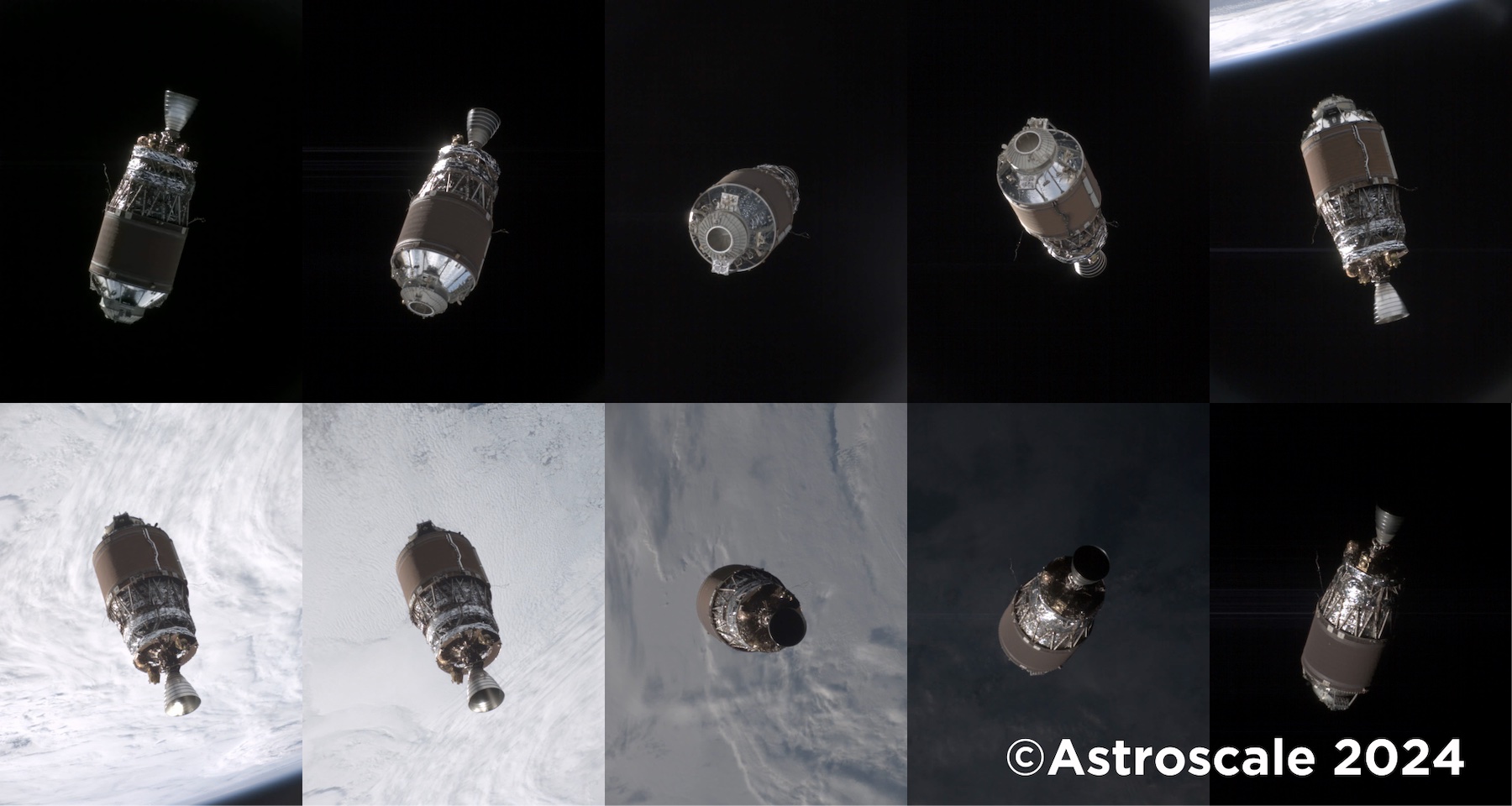
- 2024: Astroscale achieves a world-first with its ADRAS-J mission, successfully demonstrating the ability to approach, inspect, and station-keep near an uncooperative, non-spinning Japanese rocket upper stage in orbit.
- 2025: Isar Aerospace conducts its first test flight of the Spectrum rocket, which ends in failure, providing critical technical data for the company’s engineers.
- March 2026: Astroscale signs its second contract with Isar, signaling growing confidence in the German startup’s ability to reach orbit.
- September 2026: Isar Aerospace achieves its first successful orbital insertion, effectively validating its propane-fueled engine technology and operational infrastructure.
This progress has been bolstered by government-backed support from the European Space Agency (ESA), the European Union, and the Norwegian and German governments. These entities recognize that a diverse, competitive launch landscape is essential for long-term economic and national security.

Technical Challenges of On-Orbit Servicing
The missions assigned to Isar Aerospace by Astroscale—specifically ELSA-M and ADRAS-J2—represent the "next step" in the evolution of space sustainability. The ADRAS-J2 mission, in particular, builds upon the foundational data gathered during the 2024 ADRAS-J demo. By utilizing the precise imagery captured during the first mission, Astroscale engineers were able to confirm the stability of the target object, identify potential attachment points on the payload adapter, and refine the concept of operations (ConOps) for a more complex capture maneuver.
The technical requirements for these missions are substantial. Unlike standard satellite deployments, these operations require advanced guidance, navigation, and control (GNC) systems capable of real-time fault identification. If an anomaly occurs during an autonomous approach, the spacecraft must be programmed to instantly "wave off" and re-attempt the maneuver to ensure the safety of both the servicer and the target.
Looking further ahead, Astroscale is preparing for the ISSA-J1 mission, which aims to inspect two decommissioned Japanese satellites. This mission introduces a new layer of complexity: the target objects are expected to have protruding solar arrays and may be tumbling or spinning. The ability to handle such targets is a prerequisite for a fully realized, multi-order, commercially repeatable servicing ecosystem.
Market Implications and Future Outlook
The broader implications of this trend extend beyond individual company successes. The "launch crunch" predicted by many industry analysts suggests that even with the massive capacity projected for future heavy-lift vehicles, the "boutique" market—those requiring specific orbital insertion or dedicated mission profiles—will continue to face bottlenecks.
Furthermore, the involvement of the U.S. military and other defense agencies in sponsoring refueling and inspection technologies adds a layer of geopolitical urgency to the development of these small-to-mid-sized launch providers. As the U.S. Defense Innovation Unit and other bodies explore "deorbit-as-a-service" and life-extension contracts, the demand for reliable, small-class launch vehicles is only expected to grow.
While it remains early for companies like Isar Aerospace to claim a dominant market share, their ability to successfully execute missions for sophisticated customers like Astroscale provides a template for future growth. The shift is clear: the era of simply "getting to orbit" is evolving into an era of "getting to the right place at the right time." For the nascent European launch industry, this represents a crucial opportunity to capture high-value, specialized demand that the largest rockets in the world are not optimized to serve.

As the industry moves toward the early 2030s, the focus will shift from demonstration missions to commercially viable, repeatable operations. If providers like Isar, along with peers like Rocket Factory Augsburg and PLD Space, can maintain their current momentum, Europe will likely secure its place in the rapidly expanding market for orbital logistics, servicing, and sustainable space management. For now, the successful deployment of the Spectrum rocket serves as a necessary proof-of-concept, confirming that the path to a sustainable, competitive space economy is being built one dedicated launch at a time.

