
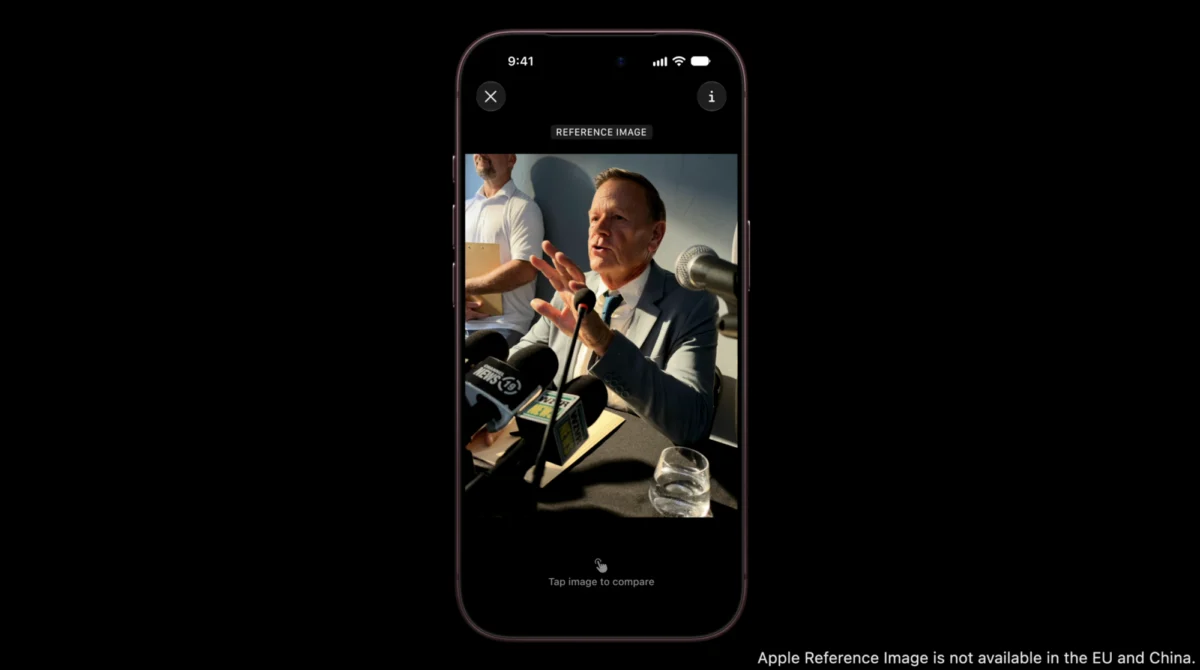
While the revolutionary iPhone Duo commanded the spotlight during Apple’s highly anticipated September product showcase, the most profound technical evolution of the presentation was quietly reserved for the iPhone 18 Pro and Pro Max lineup. For the first time in the history of the Cupertino-based technology giant, the flagship Pro models incorporate a genuine physical variable aperture, paired with a sophisticated suite of manual controls, next-generation computational video tools, and an innovative approach to digital image authenticity.
Industry analysts are already calling this the most substantial and ambitious camera hardware overhaul Apple has shipped in years. By narrowing the gap between pocket-sized consumer tech and professional-grade mirrorless gear, Apple is redefining consumer expectations of mobile photography. Yet, this leap forward also introduces complex manufacturing challenges and engineering hurdles that have previously deterred industry competitors from maintaining similar hardware over the long term.
A Paradigm Shift in Mobile Imaging Architecture
The centerpiece of the iPhone 18 Pro and Pro Max camera system is an advanced 48-megapixel main sensor engineered around a physically adjustable aperture. In traditional optical physics, an aperture dictates the opening through which light travels to reach the sensor plane. A wider opening admits more illumination, proving indispensable in low-light environments while simultaneously producing a shallow depth of field that gracefully blurs background elements. Conversely, a narrower aperture restricts light intake but ensures that expansive scenes, complex architecture, and multi-subject group portraits remain sharply focused from foreground to background.
Historically, smartphones have relied on fixed apertures—such as the single-size setup found on the preceding iPhone 17 Pro—relying heavily on software algorithms to simulate background blur or low-light exposure balance. Apple’s newly designed mechanism utilizes six hair-thin, laser-cut mechanical blades. These blades dynamically widen or narrow across four distinct physical settings, operating autonomously based on environmental lighting conditions and user framing preferences.
This mechanical advancement is complemented by an entirely reworked computational imaging pipeline. Rather than leaning excessively on heavy algorithmic sharpening and multi-exposure stacking that can occasionally yield artificial-looking results, the iPhone 18 Pro prioritizes cleaner, more organic raw data capture. The popular Photographic Styles feature has also been expanded to include granular texture and grain controls, granting creators the ability to establish consistent, signature aesthetic moods directly at the point of capture.
Professional-Grade Manual Controls and Live Monitoring

Addressing long-standing requests from mobile videographers, independent filmmakers, and photography enthusiasts, Apple has integrated a comprehensive "Pro controls" panel natively into the default Camera app. Users can now manually adjust the newly introduced physical aperture alongside vital parameters like shutter speed—controlling the duration light hits the sensor to freeze rapid motion or introduce creative motion blur—and white balance, which neutralizes unwanted color tints under challenging indoor lighting or shaded outdoor environments.
Crucially, Apple has introduced a live histogram to the viewfinder. This real-time graphical representation of tonal distribution allows photographers to instantly evaluate exposure levels, preventing clipped highlights and crushed shadows before a shutter is ever released.
The video architecture has received an equally impressive suite of upgrades. Cinematic effects can now be seamlessly applied in post-production to high-framerate footage shot at up to 60 frames per second. Furthermore, time-lapse recordings now fully support 4K resolution paired with Dolby Vision HDR. Apple’s proprietary Audio Mix algorithms have also been overhauled to isolate background music more effectively while lifting human voices out of chaotic acoustic environments. To top it off, an AI-powered smart focus system intelligently tracks moving subjects across the frame, providing immense utility for capturing dynamic subjects such as children, pets, and fast-paced action.
The Ghost of Hardware Past: Durability and Competitor Hesitation
Despite the undeniable appeal of a mechanical variable aperture, the feature carries a complicated history within the broader mobile industry. Samsung famously experimented with variable apertures in its Galaxy S9 and S10 flagships before permanently retiring the technology in subsequent generations.
The primary obstacle is durability. Smartphones are subjected to rigorous physical environments—frequently dropped, tossed into crowded bags, and exposed to temperature extremes. Incorporating delicate moving mechanical parts into an ultrathin chassis introduces significant vulnerabilities. Even modern optical image stabilization modules can suffer calibration drift following severe impacts, meaning a physical aperture ring represents an entirely new mechanical point of failure.
More recently, supply chain insiders reported that Samsung initially planned to include a variable aperture system in the Galaxy S27 series, only to scrap those designs in August. Industry reports indicate that the South Korean electronics giant determined the mechanical complexity added undesirable bulk to the chassis and increased production costs for incremental improvements in everyday image quality.
Whether Apple’s precision engineering can overcome these historical durability hurdles, or whether the variable aperture will quietly vanish from future iPhone iterations, remains one of the most closely watched hardware narratives in modern consumer technology.

Combating Synthetic Media with Apple Reference Image
Beyond hardware mechanics, Apple has addressed one of the most pressing socio-technical crises of the digital age: the proliferation of generative AI and manipulated media. With the introduction of Apple Reference Image, the company has deployed a powerful cryptographic verification system designed to guarantee visual authenticity.
When capturing a photograph in the newly designated "Reference" mode, the sensor data is cryptographically signed at the hardware level and securely processed through Apple’s Private Cloud Compute infrastructure. This generates an immutable reference file—effectively functioning as a digital negative—that is safely stored alongside the final output within the Photos app. Journalists, investigators, and everyday consumers can directly compare the final output against the cryptographically verified reference image to confirm whether unauthorized alterations or manipulations have occurred.
Combined with native metadata validation and upcoming platform support for the SynthID watermarking standard, Apple is positioning the iPhone 18 Pro lineup as an essential trust-anchoring tool for photojournalism. In an era where deepfakes and advanced AI editing tools make distinguishing between reality and fabrication increasingly difficult, this proactive security measure may prove to be the device’s most vital contribution.
Market Implications and Broader Industry Outlook
The launch of the iPhone 18 Pro and Pro Max signals a mature smartphone market shifting its competitive battleground away from incremental processor speed bumps toward specialized hardware differentiation. By bridging the architectural divide between mobile convenience and professional DSLR capabilities, Apple is appealing directly to content creators who demand granular creative control without carrying bulky dedicated camera rigs.
However, the inclusion of sophisticated mechanical apertures and rigorous cryptographic verification suites will undoubtedly influence manufacturing yields and retail pricing structures. As reviewers put the iPhone 18 Pro through rigorous drop tests, environmental stresses, and field-testing workflows, the true resilience of Apple’s mechanical engineering will be thoroughly scrutinized.
For now, the iPhone 18 Pro lineup stands as a bold statement of intent. Whether it sparks a broader industry revival of mechanical optics or remains an exclusive pinnacle of Apple’s engineering prowess, the device has undeniably raised the ceiling for what mobile photography can achieve.

