
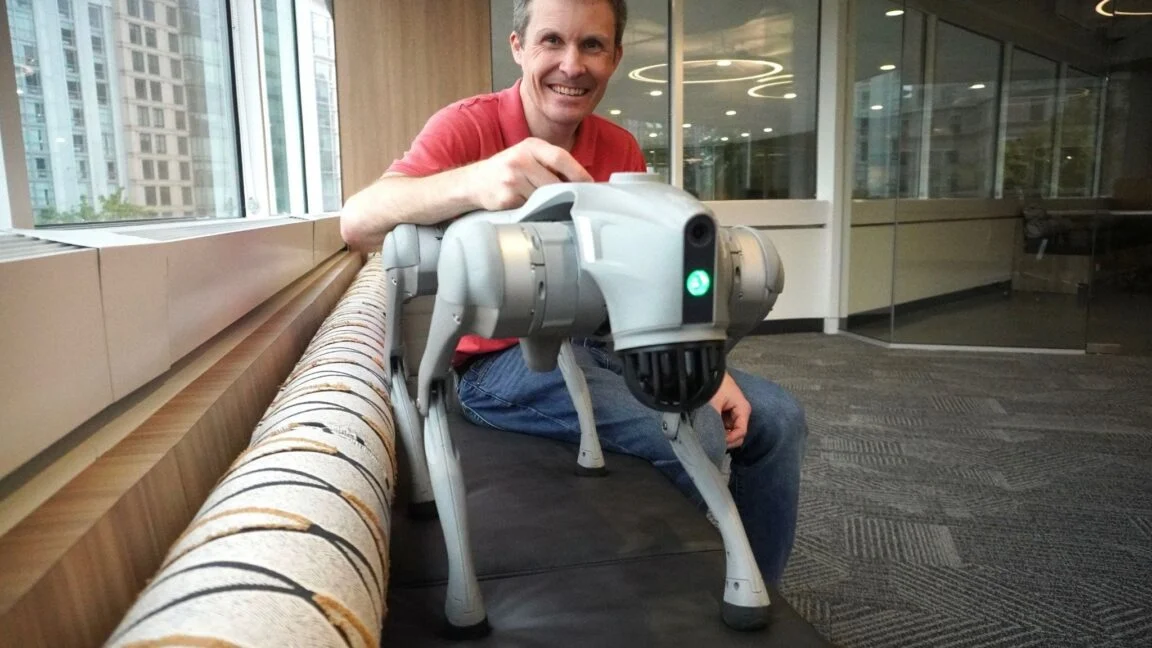
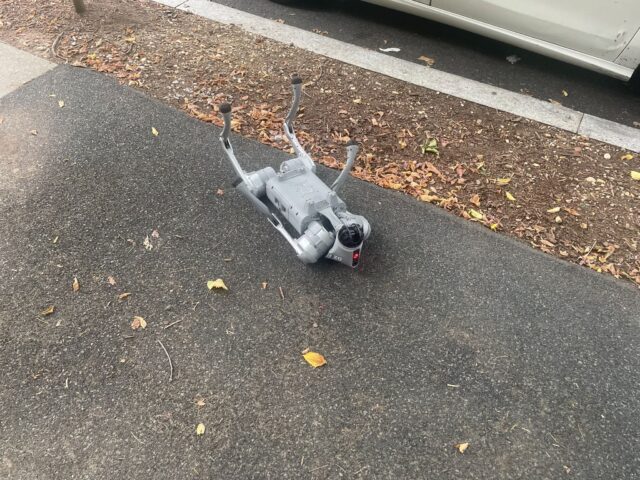
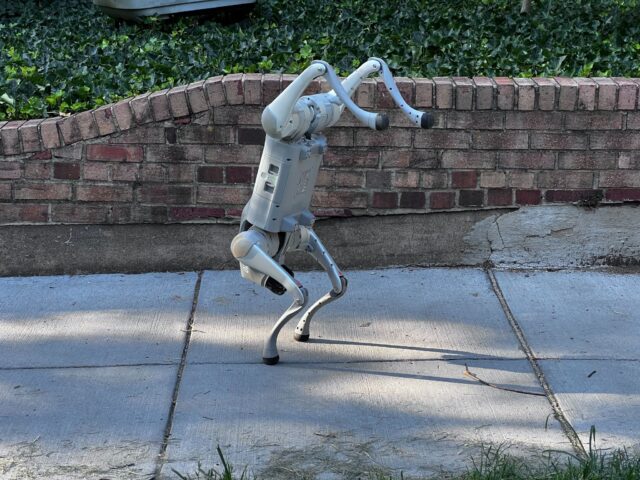
The journey, covering a two-mile trek to an office near the White House, provided a stark case study in the current state of legged locomotion. Although the robot performed well on the downhill morning commute, the return trip proved disastrous. As ambient temperatures reached 87°F (30°C) and the route transitioned to an uphill climb, the robot’s performance degraded rapidly. By the time it reached the final approach to the destination, internal diagnostics indicated a critical battery level of 5 percent and an internal operating temperature of 183°F (84°C). The machine ultimately suffered a total power failure, collapsing on its back—a testament to the ongoing challenges of thermal management and energy efficiency in portable robotics.
The Rise of Unitree: A Shift in Robotics Economics
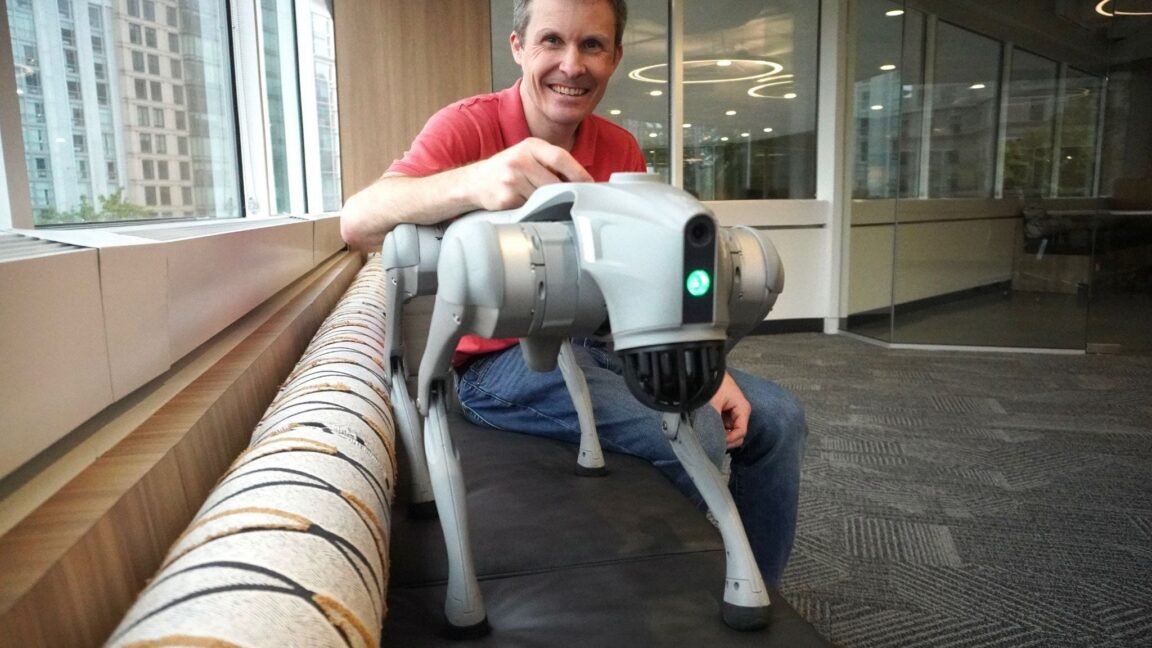
Unitree’s trajectory represents a significant pivot in the robotics industry. For decades, the field of legged locomotion was restricted to high-budget academic research labs and specialized industrial applications. Companies like Boston Dynamics set the gold standard with machines like Spot, but the high barrier to entry—with units often costing $75,000 or more—effectively precluded widespread adoption.
The company’s founder, Wang Xingxing, began his journey with the development of the XDog for his master’s thesis in 2016. Inspired by the research of industry pioneers like Marc Raibert, Wang sought to democratize the field. While Boston Dynamics focused on high-performance, industrial-grade hydraulic and electric systems, Unitree pursued a strategy of cost-optimization through high-volume manufacturing and component simplification.
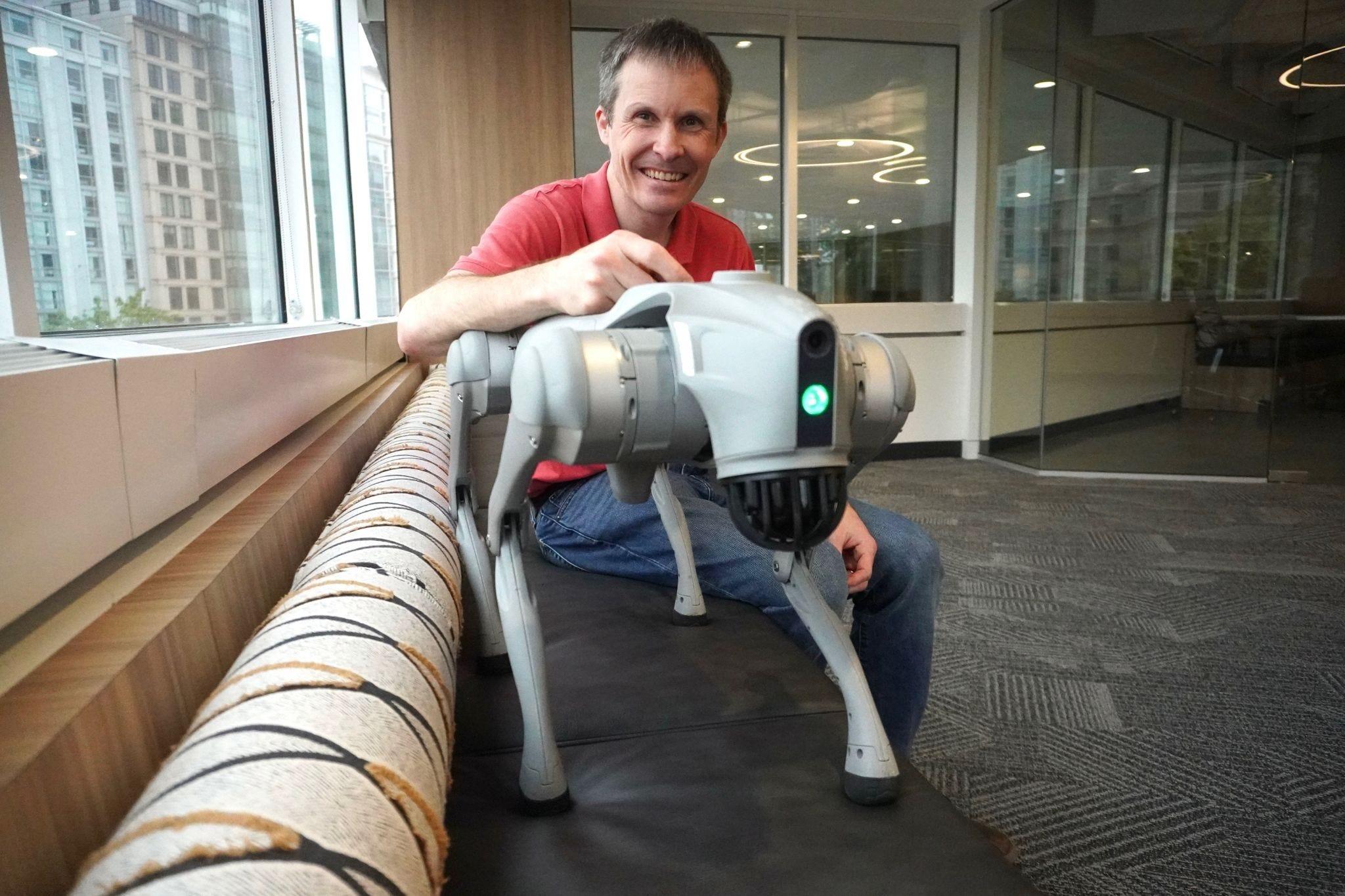
The company’s product timeline illustrates this rapid evolution:
- 2017: Launch of the Laikago, an early electric quadruped designed for research.
- 2019: Release of the AlienGo, further refining the electric-actuator platform.
- 2021: Introduction of the Go1 series, which broke the price floor for quadruped robots by offering models starting at $2,700.
- 2023: Launch of the Go2, featuring improved sensor integration and affordability, with the Pro model retailing for under $3,000.
This aggressive pricing strategy has allowed Unitree to capture a significant portion of the academic and hobbyist market, effectively becoming the "DJI of robotics." By producing their own motors, gearboxes, and sensor arrays, Unitree has achieved a cost structure that Western competitors have struggled to match.
Engineering Philosophy: Simplification and Scalability
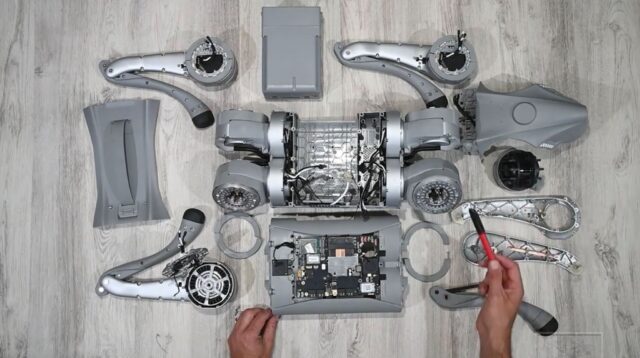
A teardown of the Unitree Go2 conducted by the engineering firm Simplexity revealed the strategic choices behind the company’s success. The robot utilizes 12 identical motors across its four legs, a design choice that significantly reduces manufacturing complexity and inventory requirements. Furthermore, while high-end industrial robots often utilize complex 51:1 gear ratios for extreme precision, Unitree employs a simpler 6.33:1 gearbox.
This design decision is critical. Lower gear ratios allow for "backdriveability," meaning the robot can sense external physical resistance and yield gracefully. While this sacrifices the absolute precision required for factory-floor assembly, it provides the agility and dynamic range necessary for navigating unpredictable, real-world environments. In modern robotics, sophisticated control software is increasingly capable of compensating for hardware-level lack of precision, making the cheaper, simpler hardware a more efficient choice for mass-market deployment.
The Pivot to Humanoids
Following its dominance in the quadruped sector, Unitree has aggressively entered the humanoid market. The launch of the H1 in 2023 and the subsequent G1 model mark a transition toward more versatile, human-centric automation. Financial data from the company’s recent public offering on the Shanghai Stock Exchange highlights this shift: humanoid revenue grew from approximately $16 million in 2024 to $129 million in 2025—an eightfold increase. Humanoids now account for more than half of the company’s total revenue.
The technical leap from quadruped to humanoid is significant. While a Go2 dog requires 12 motors, a G1 humanoid utilizes 23, including complex joints in the torso and arms. However, Unitree’s existing supply chain and expertise in actuator design have allowed them to sell the consumer version of the G1 for as low as $13,500, a price point that has shocked industry analysts and researchers alike.
Regulatory Challenges and Global Implications
Despite its technological success, Unitree faces an increasingly difficult geopolitical environment. The United States and other Western nations have expressed concern over the integration of advanced Chinese robotics into domestic infrastructure. In June 2026, bipartisan legislation was introduced in the U.S. House of Representatives specifically targeting the import of Chinese-manufactured robots. This was followed by Federal Communications Commission (FCC) regulations aimed at tightening oversight on foreign-made hardware.
Industry observers, such as the team at SemiAnalysis, draw a direct parallel between Unitree and the drone manufacturer DJI. Much like DJI did for aerial photography, Unitree is unlocking new potential markets for legged robotics—ranging from automated site inspection and research to domestic assistance—by lowering costs to a level that small businesses and individual consumers can afford.

The potential for a "robotics trade war" is now a central concern for the industry. If Chinese firms are effectively barred from the Western market, the vacuum may be filled by domestic startups like Tesla, Figure, or 1X. However, these companies face the immense challenge of replicating the manufacturing efficiency and supply chain maturity that Unitree has built over the last decade.
Looking Ahead: The Future of Legged Automation
The current state of consumer robotics remains a mix of promise and frustration. As evidenced by the mid-commute collapse of the Go2 Pro, these machines are not yet autonomous, long-endurance agents capable of seamless interaction with the world. They are, however, remarkably effective platforms for rapid iteration.
The "flywheel effect"—wherein higher sales volumes lead to better supplier negotiations, lower costs, and more investment in R&D—suggests that Unitree’s current dominance is not accidental. As they continue to refine their in-house production of lidar, sensors, and actuators, the cost of entry for sophisticated robotics will continue to drop.
For the robotics community, the debate has moved beyond whether these machines are useful today, to whether they represent the foundational infrastructure for the next generation of automation. While the Unitree Go2 may struggle with heat and battery life, its presence in labs and homes globally ensures that the software and control algorithms for the next, more capable generation of robots are being developed at an unprecedented pace. The question for policymakers and the public is no longer whether robots will become part of daily life, but how the global market will adapt to the speed at which that transition is occurring.

