
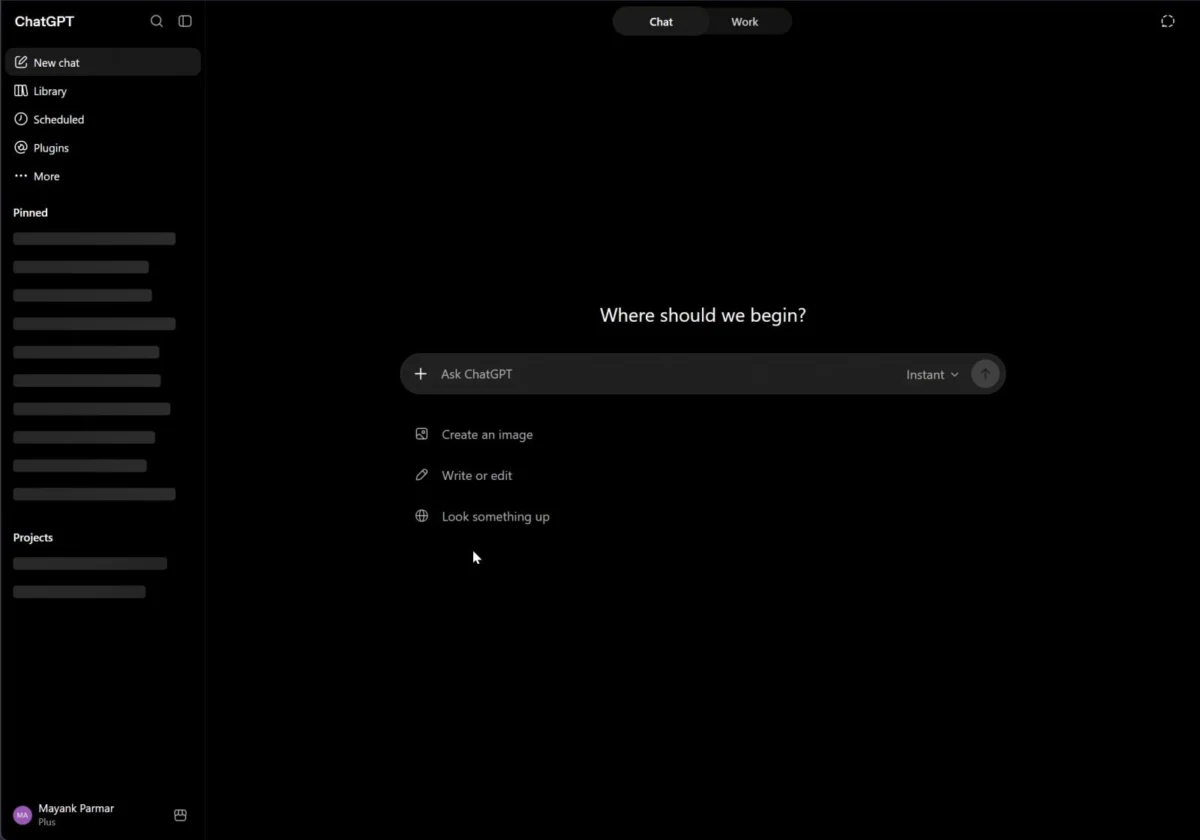
A significant global outage has rendered OpenAI’s flagship artificial intelligence chatbot, ChatGPT, largely inaccessible to users across the globe, with reports indicating widespread disruption impacting the ability to load new chats, access previous conversations, and utilize related developer services. The service interruption, which commenced at approximately 5 AM Eastern Time (ET), has affected a broad user base spanning continents, including critical regions in the United States and Europe, highlighting the growing dependency on large-scale AI infrastructure for both personal and professional applications.
Widespread Service Disruption Across OpenAI’s Ecosystem
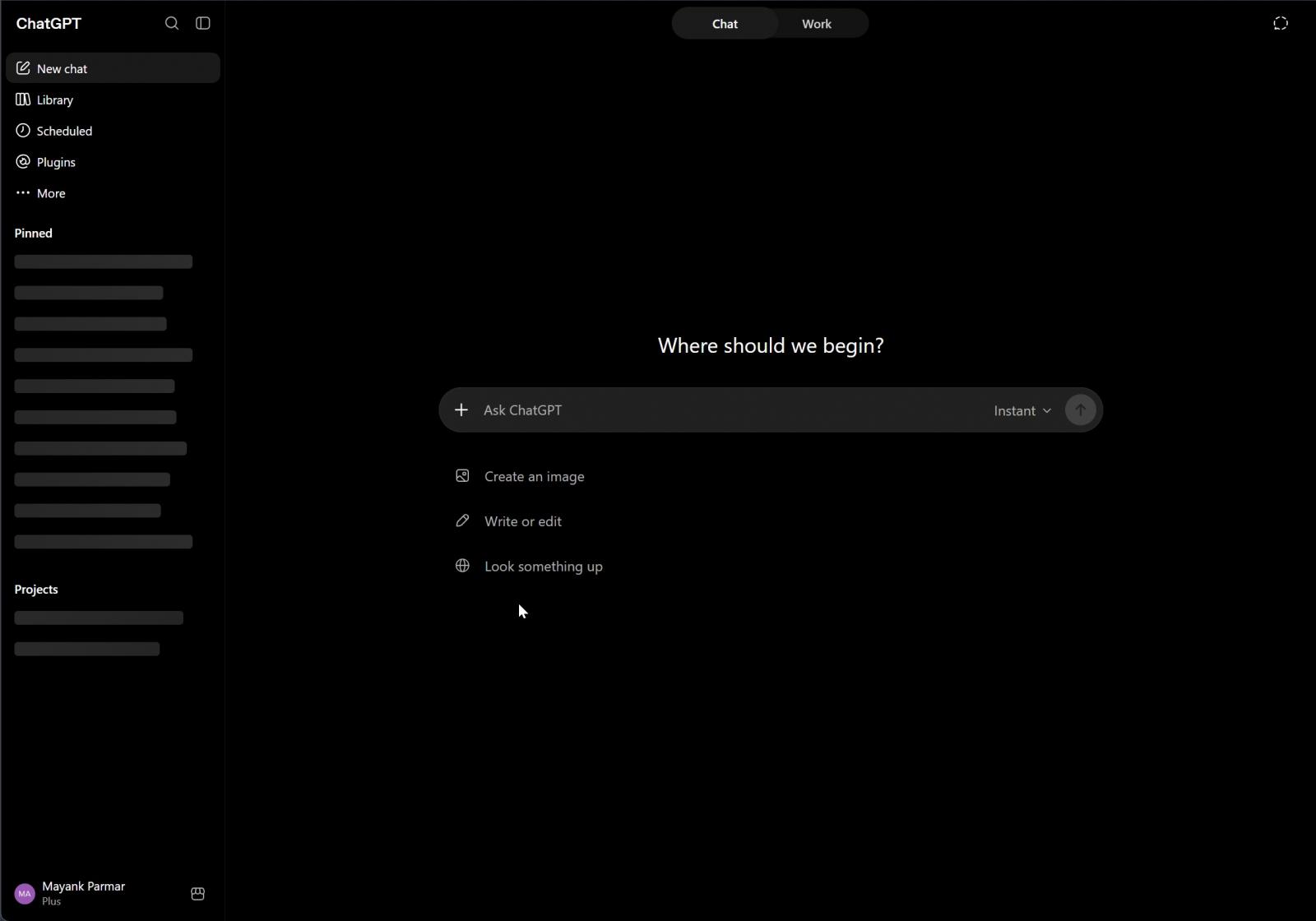
The core issue manifests for users as a persistent loading animation in the sidebar, preventing the initiation of new conversational threads or the retrieval of historical interactions. Attempts to send messages often result in "too many concurrent requests" errors, indicative of severe server overload or backend processing limitations. This disruption is not confined to the consumer-facing ChatGPT platform alone. OpenAI’s coding platform, Codex, which leverages similar underlying AI models to assist developers with code generation and completion, has also been significantly impacted. Furthermore, the outage extends to the broader OpenAI Application Programming Interface (API), a crucial component for countless businesses and developers who integrate OpenAI’s advanced AI capabilities into their own applications and services. The company’s status page, a primary source of official communication during such events, listed as many as twelve API endpoints as experiencing issues, underscoring the systemic nature of the incident across OpenAI’s robust AI ecosystem.
The immediate impact has been a cascade of frustration among millions of users who rely on ChatGPT for a diverse array of tasks, from drafting emails and generating creative content to debugging code and assisting with research. For many, ChatGPT has become an indispensable tool, integrating deeply into daily workflows. The inability to access stored conversations is particularly problematic, as users often refer back to previous interactions for context, information, or ongoing projects. This loss of continuity disrupts productivity and underscores the challenges associated with cloud-based services where data access is contingent on system availability.

Chronology of the Outage and OpenAI’s Response
The first signs of the outage emerged around 5 AM ET, with a sudden surge of user reports across social media platforms and independent downtime trackers indicating widespread inaccessibility. Users described being unable to connect to the service, encountering error messages, or experiencing perpetual loading states.
By 5:30 AM ET, OpenAI officially acknowledged the escalating issues. An update posted on their dedicated status page confirmed that the company was "investigating the issue for the listed services." This initial acknowledgement provided a crucial confirmation to users that the problems were systemic and not isolated incidents on their end. The promptness of this official communication, while not immediately resolving the issue, is a standard practice for major tech companies to manage user expectations and provide transparency during service interruptions.
Subsequent updates from OpenAI indicated that the company had "applied a fix" and was actively "monitoring the situation." However, despite these efforts, independent tests conducted by various sources, including those reported in the initial coverage, continued to show persistent problems. This suggests that the underlying issues were complex, potentially requiring staggered rollouts of fixes or that the applied solution was still propagating across their distributed infrastructure, or perhaps only partially effective in restoring full functionality to all users and services. The iterative process of applying fixes and monitoring their efficacy is typical for resolving intricate technical problems in large-scale cloud environments, where interconnected systems can present multiple points of failure or dependencies that need careful remediation. The continuous nature of the "developing story" tag emphasizes the ongoing efforts by OpenAI’s engineering teams to fully stabilize their services.
Understanding the Core Services Affected and Their Significance

To fully grasp the magnitude of this outage, it is essential to understand the roles of the affected services within the broader technological landscape.
-
ChatGPT’s Dominance: Launched to the public in November 2022, ChatGPT rapidly ascended to become one of the fastest-growing consumer applications in history. Its intuitive conversational interface, powered by large language models (LLMs) like GPT-3.5 and later GPT-4, revolutionized public perception and interaction with artificial intelligence. With hundreds of millions of users worldwide, ChatGPT has become a go-to tool for content creation, brainstorming, coding assistance, language translation, customer support simulations, and educational purposes. Its widespread adoption means that any significant downtime has a tangible impact on a vast and diverse user base, disrupting workflows in personal, academic, and professional spheres. The service’s ability to retain context across conversations has been a key feature, making the inability to load previous chats particularly disruptive for users engaged in ongoing projects or research.
-
The OpenAI API and Developer Ecosystem: Beyond the direct consumer interface, the OpenAI API is a cornerstone for innovation across thousands of businesses. Developers integrate OpenAI’s powerful language models into their own applications, products, and services, enabling functionalities such as advanced chatbots, content generation tools, intelligent search, data analysis, and automation. Companies across various sectors—from fintech to healthcare, e-commerce to media—rely on the API for critical operations. An outage affecting as many as twelve API endpoints implies a significant disruption to these integrated services, potentially leading to cascading failures in third-party applications and considerable financial losses due to service downtime, missed deadlines, and customer dissatisfaction. For startups built entirely around OpenAI’s technology, such an event can be particularly devastating.
-
Codex and AI-Powered Coding: OpenAI Codex, the AI model behind GitHub Copilot, assists developers by generating code, translating natural language to code, and suggesting improvements. For software development teams, this tool significantly enhances productivity, speeds up development cycles, and helps in quickly prototyping solutions. Its disruption means developers lose a valuable assistant, potentially slowing down critical projects and impacting release schedules. This highlights how AI is not just a consumer utility but an integral part of professional development pipelines.
Technical Underpinnings and Reported Symptoms Explained

The error message "too many concurrent requests" offers a glimpse into the potential technical challenges faced by OpenAI. This typically indicates that the servers responsible for processing user queries are overwhelmed, unable to handle the volume of incoming requests. This could stem from several issues:
- Sudden Surge in Demand: While less likely to be the sole cause of a widespread global outage affecting multiple services, an unexpected spike in user activity could push systems beyond their capacity.
- Resource Exhaustion: Backend systems might be running out of computational resources (CPU, memory, GPU, network bandwidth) necessary to process the complex AI model inferences required for each interaction.
- Database or Storage Issues: The inability to load previous conversations points towards potential problems with the backend databases or storage systems that store user chat histories. If these systems are slow, unresponsive, or inaccessible, the frontend application cannot retrieve the necessary data.
- Network Infrastructure Problems: Issues within OpenAI’s internal network infrastructure or connectivity to its cloud providers could disrupt communication between different service components, leading to a breakdown in service.
- Software Bugs or Deployment Issues: A recently deployed update or a latent software bug could trigger unforeseen resource consumption or introduce instability, leading to a cascading failure across services.
- Distributed System Challenges: Operating a global service like ChatGPT involves a highly distributed architecture. Maintaining synchronization, data consistency, and high availability across multiple data centers and regions presents immense engineering challenges. A problem in one core component or region can ripple through the entire system.
The "stuck at loading animations for the sidebar" symptom further supports the idea of a frontend client unable to establish a stable connection or receive timely responses from the backend services responsible for chat session management and data retrieval.
OpenAI’s Official Response and Transparency
OpenAI’s communication strategy during the outage has been largely in line with industry best practices for major service disruptions. Their prompt acknowledgement on the status page, followed by updates on investigation and fix deployment, helps to build user trust and manage expectations. While the status page serves as the primary official channel, users typically flock to social media platforms like X (formerly Twitter) and Reddit to confirm issues and seek information, often before official statements are widely disseminated.
The fact that "tests continue to run into issues" even after a fix was applied suggests the complexity of restoring a massive, globally distributed AI service. It’s common for fixes to be rolled out incrementally or for certain components to take longer to recover. Engineering teams are likely working around the clock to diagnose root causes, apply patches, and meticulously monitor system performance to ensure full restoration without introducing new vulnerabilities. The commitment to resolution is implicit in their continuous updates and the nature of the service they provide.
Broader Implications for Users and Industry
This significant outage carries several profound implications for users, businesses, and the broader AI industry:
- Impact on Productivity and Workflow: For individual users, the disruption means lost time, halted projects, and the inconvenience of not being able to rely on a tool that has become integral to their daily routines. Professionals using ChatGPT for content generation, coding, or data analysis face immediate setbacks in their work.
- Business Continuity Challenges: For enterprises heavily reliant on the OpenAI API, the outage translates directly into business disruption. Customer service chatbots may fail, internal tools may cease to function, and applications dependent on AI for core features could become unusable. This can lead to financial losses, reputational damage, and a loss of customer trust. It underscores the critical need for businesses to have robust contingency plans and potentially diversify their AI provider strategy.
- Data Access and Resilience Concerns: The inability to load previous conversations highlights a critical aspect of cloud services: data access is tied to service availability. While OpenAI likely has robust data backup and recovery protocols, the immediate user experience of being cut off from their own interaction history raises questions about data ownership, portability, and the resilience of conversational AI services. Users might become more cautious about relying solely on a single platform for sensitive or critical information.
- The Evolving Landscape of AI Infrastructure: The incident serves as a stark reminder of the immense engineering challenges involved in scaling and maintaining highly available AI infrastructure. As AI models become larger and more complex, and user bases expand, the demands on computing resources, network stability, and robust software architecture grow exponentially. This outage will likely prompt further investment and innovation in fault-tolerant, distributed AI systems capable of handling unprecedented loads and recovering swiftly from unforeseen issues. It could also spur greater interest in decentralized AI solutions or hybrid models that reduce reliance on a single provider.
- Market Perception and Trust: While occasional outages are an unavoidable reality for any large-scale online service, frequent or prolonged disruptions can erode user confidence and market perception. In a rapidly evolving and competitive AI landscape, reliability is a key differentiator. OpenAI, as a leader in the field, faces intense scrutiny, and its ability to quickly and transparently resolve such issues is crucial for maintaining its position and user trust. Competitors will undoubtedly observe the situation closely.
- Cybersecurity Implications: While this specific outage appears to be a technical issue rather than a malicious attack, any disruption to critical infrastructure raises general security awareness. Ensuring the resilience of AI systems against both technical failures and potential cyber threats remains a paramount concern for all AI service providers.
Looking Ahead: Ensuring Future Stability
As OpenAI works towards a full resolution, the incident will undoubtedly lead to internal reviews and potentially public discussions about enhancing the resilience and redundancy of their vast AI infrastructure. This could involve:
- Geographic Redundancy: Further distributing services across multiple, geographically dispersed data centers to mitigate the impact of regional failures.
- Improved Load Balancing: Implementing more sophisticated load balancing mechanisms to distribute user requests efficiently and prevent single points of overload.
- Enhanced Monitoring and Alerting: Investing in advanced monitoring tools and predictive analytics to detect potential issues before they escalate into widespread outages.
- Faster Rollback Capabilities: Developing quicker mechanisms to roll back problematic updates or configurations.
- Communication Protocols: Refining communication strategies during outages to keep users and developers informed with timely and accurate updates.
The current global ChatGPT outage serves as a critical real-world test for the stability and resilience of foundational AI services. As AI continues to integrate deeper into the fabric of society and industry, the reliability of these platforms becomes paramount. OpenAI’s response and subsequent actions will be closely watched as the industry collectively navigates the complexities of building and maintaining the next generation of intelligent infrastructure. The situation remains dynamic as engineering teams continue their efforts to fully restore all affected services.

