
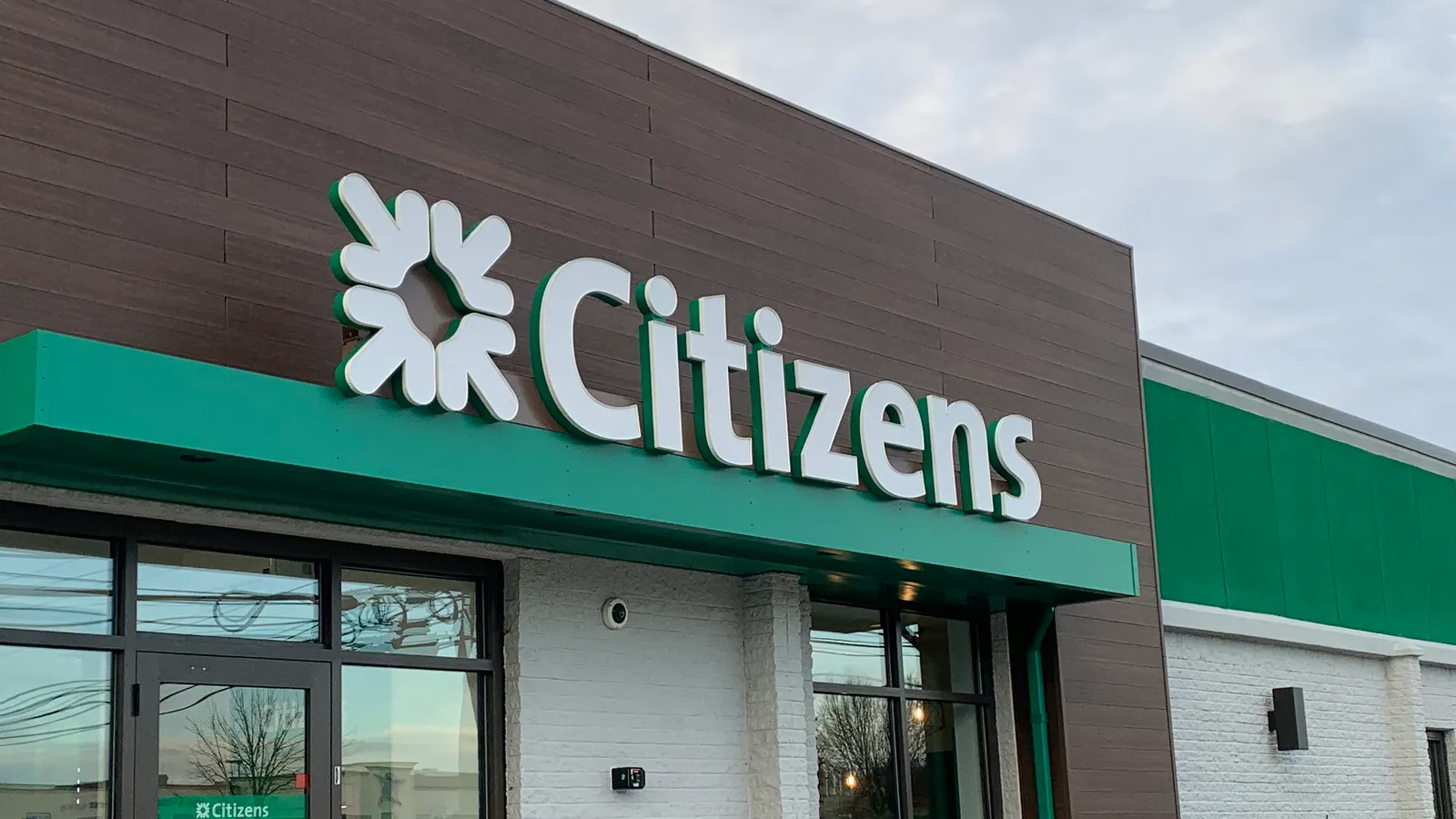
Citizens Bank is embarking on a significant strategic pivot, announcing plans to shutter between 100 and 120 of its supermarket-based branches while simultaneously launching 50 to 60 new, smaller standalone locations. This move signals a pronounced shift in the bank’s retail strategy, prioritizing personalized advice, private banking, wealth management, and small business services over traditional transactional banking. The announcement was made on Thursday during the bank’s second-quarter earnings presentation, outlining a vision for a more focused and efficient physical footprint.
H2: Strategic Rationale Behind the Branch Overhaul
The rationale behind this considerable restructuring is rooted in a desire to optimize resource allocation and enhance customer engagement. Citizens CEO Bruce Van Saun articulated the bank’s strategy during a conference call on Thursday, emphasizing a disciplined approach to growth. "This type of careful investment in physical locations and in people, if executed well, should create a nice lift in the deposit trajectory without taking on the risk and significant capital expenditure of opening a whole bunch of de novos outside of the footprint," Van Saun stated. This indicates a strategy focused on deepening relationships within its existing operational footprint rather than aggressive geographic expansion through new, large-scale branch openings.
This strategic direction has been a recurring theme among Citizens’ senior leadership in recent months. Matt Boss, head of Citizens’ consumer bank, previously told Banking Dive in May that the bank’s existing 14-state operational area presents "more than enough opportunity when it comes to the consumer bank." This sentiment underscores a commitment to maximizing the potential within its current markets, a stark contrast to the expansionary tactics employed by some of its regional banking peers.
H3: A Different Path from Competitors
Citizens’ approach diverges from that of other prominent regional banks, such as Huntington and Fifth Third. Both Ohio-based institutions pursued significant geographical expansion last year by acquiring Texas-headquartered lenders. This acquisition-led growth model involves integrating new markets and customer bases, often requiring substantial investment in rebranding and operational alignment. Citizens, by contrast, appears to be opting for an organic, internally driven transformation, focusing on enhancing its existing infrastructure and service offerings.
H2: Evolution of the Physical Branch
The reimagined branch model for Citizens will see a dramatic reduction in physical size and a recalibration of purpose. Previously, supermarket branches often occupied approximately 7,000 square feet. The new or renovated standalone branches will range from 2,000 to 3,000 square feet. This downsizing is a deliberate move to de-emphasize transactional activities, which are increasingly handled through digital channels, and to allocate more space for private conversations between bankers and clients.
Brendan Coughlin, President of Citizens, has been vocal about this transformation, particularly in the bank’s legacy markets. In March, he told Banking Dive that the bank would be undertaking "a lot of surgery around some of our legacy markets," with a particular focus on New England. This "surgery" involves reorienting the bank’s service model to cater more effectively to mass-affluent customers and above. The aim is to create branches that are not only strategically located on prime corners but also staffed appropriately to deliver a more sophisticated and personalized banking experience.
H3: Targeting the Mass-Affluent Segment
The strategic focus on mass-affluent customers and above is a trend that is not unique to Citizens. Several other major banks have been actively pursuing this demographic. Truist, for instance, has announced plans to open 100 new branches and renovate 300 existing ones, with a strong emphasis on serving the mass-affluent segment in the Southeast. Regions Bank has also invested in upskilling its bankers to better serve small businesses and the mass-affluent through enhanced relationship management. This shared strategic objective highlights a broader industry recognition of the value and growth potential within this customer segment.
H2: The Trend of Divesting Grocery Store Branches
Citizens’ decision to exit supermarket branches is part of a larger industry trend. Many banks have found that the convenience of in-store branches, while initially appealing, often comes with operational challenges and a less-than-ideal customer experience for more complex banking needs. Huntington Bank, following its acquisition of TCF in 2021, closed nearly 100 branches housed within Meijer grocery stores in Michigan. Similarly, People’s United Bank, prior to its acquisition by M&T Bank, closed 140 branches located inside various Stop & Shop supermarkets. U.S. Bank and PNC have also made similar adjustments, phasing out or closing branches situated within grocery store settings. These moves reflect a broader reassessment of the optimal physical retail strategy in an era of evolving consumer behavior and digital banking adoption.
H3: A Look at the Timeline and Execution
The transformation of Citizens’ branch network is not an overnight endeavor. Nuno Dos Santos, head of branch distribution at Citizens, highlighted the bank’s "aggressive" stance on reinvesting in its existing locations as early as April 2025. This suggests a phased approach to renovations and closures, allowing for a smoother transition for both customers and employees. The bank’s projection is that this branch retooling will not impede its ambitious goal of achieving a 16% to 18% return on tangible common equity (ROTCE) by the end of 2027.
H2: Financial Performance and Future Outlook
The bank’s recent financial results provide a positive backdrop for this strategic shift. In its second-quarter earnings statement, also released on Thursday, Citizens reported a ROTCE of 13.9%, an increase from 12.2% in the previous quarter. This upward trend in profitability is encouraging. Furthermore, the bank’s net profit saw a substantial 35% year-over-year increase in the second quarter, reaching $587 million. Revenue also experienced a healthy 12% year-over-year growth, totaling $2.3 billion. These figures suggest that the bank is on solid financial footing to undertake its strategic initiatives.
The planned branch transformation is expected to contribute to deposit growth by attracting and retaining higher-value customers who are seeking more personalized financial guidance. By consolidating transactional services into fewer, more efficient locations and enhancing its advisory capabilities, Citizens aims to deepen customer relationships and increase the share of wallet from its core customer base. The reduction in operating costs associated with closing smaller, less efficient branches is also anticipated to contribute to improved profitability.
H3: Implications for Customers and the Market
For customers, the transition will likely mean a shift in how they interact with Citizens Bank. While some may find the closure of nearby supermarket branches inconvenient, the focus on standalone branches with dedicated advisory staff is intended to provide a more valuable and personalized service. Customers seeking complex financial advice, wealth management services, or tailored solutions for their small businesses are likely to benefit from the enhanced offerings at the new branches. Digital banking channels will continue to be crucial for day-to-day transactions, reinforcing the trend of a bifurcated service model – digital for convenience, and in-person for advice and relationship building.
From a market perspective, Citizens’ strategy reflects a broader trend in the banking industry to adapt to changing consumer preferences and technological advancements. The move away from a high-volume, transaction-heavy branch model towards a more advisory-centric approach is a recognition of the evolving landscape of financial services. As other banks continue to explore similar strategies, the competitive environment for serving the mass-affluent and small business segments is likely to intensify. The success of Citizens’ transformation will hinge on its ability to execute its plans effectively, attract and retain skilled advisors, and deliver a consistently superior customer experience in its new branch format. The projected financial gains and the achievement of its ROTCE targets will be key indicators of the strategy’s overall efficacy.

