
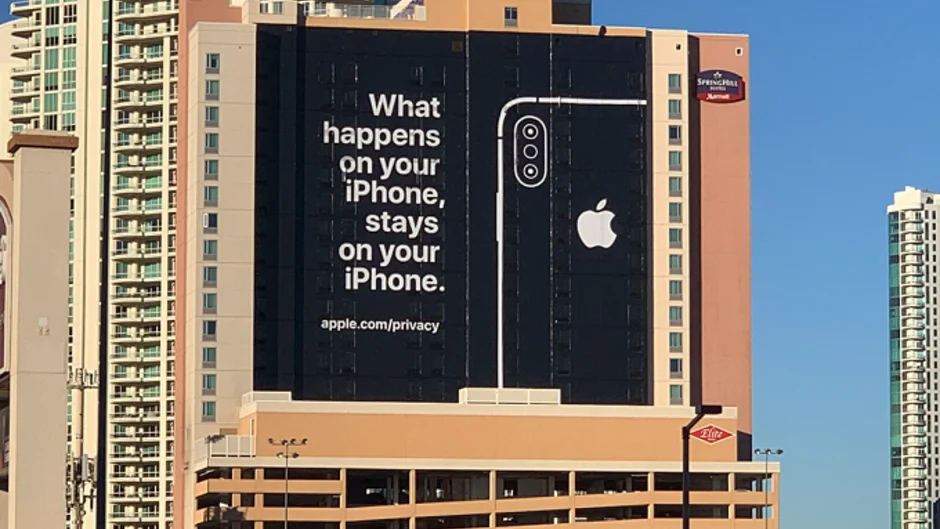
This article delves into a critical security and privacy concern within Apple’s iMessage platform, arguing for the urgent implementation of a "disappearing messages" feature. While acknowledging iMessage’s robust end-to-end encryption, the author highlights significant vulnerabilities stemming from the platform’s default message retention policies and backup procedures. The piece calls on Apple to adopt a feature already standard across most other major messaging applications, emphasizing its importance for user privacy and security in an increasingly surveilled digital landscape.
The Evolving Landscape of Digital Privacy and the iMessage Dilemma
In an era where digital communication forms the bedrock of personal and professional lives, the security and privacy of these exchanges have become paramount. For many, particularly those in sensitive professions or public service, the fear of their online pronouncements, even those shared in private digital conversations, leading to professional repercussions is a tangible concern. This anxiety is amplified when the very tools designed for secure communication fall short of offering comprehensive privacy safeguards. While the focus of this discussion is on a specific technological feature, its roots lie in a broader societal need for secure and private discourse, a need that transcends political divides and affects individuals across various sectors, including federal employees and military veterans.
Apple’s iMessage, ubiquitous among iPhone users, stands at a critical juncture. While the platform boasts strong end-to-end encryption, a feature that has been a cornerstone of its security architecture since 2011 and has even been fortified with post-quantum cryptography, a significant gap remains. This gap pertains to how messages are retained and backed up, potentially undermining the very privacy iMessage aims to provide. This deficiency, particularly the absence of a "disappearing messages" feature, stands in stark contrast to the industry standard set by virtually all other major messaging applications.

iMessage Encryption: A Strong Foundation with a Crucial Omission
Apple has consistently emphasized iMessage’s end-to-end encryption, a commitment reinforced by its platform security guides and its proactive embrace of post-quantum cryptography. This means that, in transit, messages are scrambled in such a way that only the sender and recipient can decrypt them, with Apple itself purportedly having no access to the content. Indeed, security researchers, including the author’s own students, have identified and reported vulnerabilities in the past, which Apple has commendably addressed promptly, fostering a degree of confidence in the protocol’s integrity.
However, the conversation around message security extends beyond encryption during transmission. The true measure of privacy also encompasses how messages are stored, both on the device and in backups. Here, iMessage presents a stark departure from the evolving norms of digital communication. Unlike its competitors, iMessage, by default, retains messages indefinitely. This lack of an automatic deletion mechanism transforms conversations into digital archives, akin to a comprehensive Captain’s Log from Star Trek, containing exchanges that could span years, even a decade. While seemingly innocuous for casual conversations, this perpetual storage poses significant privacy risks when sensitive or personal information is shared.
The Critical Need for Disappearing Messages

The concept of "disappearing messages" is not a novel or niche feature; it is a fundamental privacy tool that has been integrated into virtually every mainstream messaging application, including WhatsApp, Facebook Messenger, Signal, Snapchat, and Telegram. This feature allows users to set a timer for their messages, after which they are automatically deleted from both the sender’s and recipient’s devices, and crucially, often from device backups as well.
The rationale behind this feature is straightforward: to provide users with the ability to have ephemeral conversations, mirroring the transient nature of a phone call or an in-person discussion. This is particularly vital for sensitive communications, whether they involve personal reflections, political discussions, or any topic where users desire a contained "blast radius" for their words. The absence of such a feature in iMessage leaves users vulnerable, as embarrassing, politically charged, or private messages can persist indefinitely, accessible through device searches or backups.
The implications of this persistent storage are far-reaching. In an environment where digital footprints are increasingly scrutinized, the ability to ensure that certain conversations remain private and do not resurface years later is a crucial aspect of personal autonomy. Users deserve the confidence that their messaging platform supports their right to privacy, not only through encryption but also through mechanisms that allow for the controlled ephemerality of their communications.
Apple’s Unexplained Stance: A Baffling Omission

The persistent absence of a disappearing messages feature in iMessage, even as an optional setting, is perplexing, especially considering Apple’s brand image, which is often built around user privacy and security. This technological lacuna is particularly jarring when juxtaposed with Apple’s considerable investments in advanced security features, such as post-quantum encryption for iMessage. While safeguarding against future threats from quantum computing is a laudable goal, it seems misaligned with the more immediate and prevalent privacy risks associated with long-term message storage.
Discussions with individuals within Apple’s security teams, as recounted by the author, have yielded little clarity on this matter. Unlike inquiries regarding other privacy-related features, such as end-to-end encrypted iCloud backups, where explanations often revolve around user concerns about data loss and usability challenges, the rationale behind the lack of disappearing messages is met with "embarrassed sighs and crickets." This silence suggests a lack of a compelling technical or user-centric justification for the omission.
Speculation abounds regarding Apple’s reluctance. Some hypothesize that government pressure to retain message data might be a factor, though this is unsubstantiated. Others suggest potential legacy code issues within the Messages app, though this seems improbable for a platform as central to Apple’s ecosystem. The current situation, however, points to a significant miscalibration of priorities, where advanced, albeit theoretical, security measures are prioritized over a widely adopted and practical privacy feature.
Technical Considerations and Mitigation Strategies

While the core issue remains Apple’s omission of a disappearing messages feature, several technical points and existing, albeit limited, mitigation strategies are worth noting.
Firstly, within the iPhone’s Settings app, under "Messages" and then "Keep Messages," users can set a global retention period for messages on their device, with options like "30 Days" or "1 Year." However, this setting applies universally and will immediately delete any older messages the user might have intended to keep. More importantly, this setting only affects messages on the user’s own device; it does not prompt the deletion of messages from the devices of their conversation partners.
Secondly, and critically for overall data security, users are strongly advised to enable Apple’s "Advanced Data Protection" for iCloud. This feature extends end-to-end encryption to iCloud backups, ensuring that only the user can access the contents of their backups, including messages. While this does not equate to disappearing messages, as messages will still be stored in the encrypted backup, it significantly enhances the security of that stored data against unauthorized access. Without Advanced Data Protection, the encryption keys for iCloud backups are accessible to Apple, potentially compromising the privacy of backed-up messages.
Thirdly, the "Messages in iCloud" feature, designed to sync messages across devices, is advertised by Apple as being end-to-end encrypted. However, this claim is misleading. If iCloud Backup is used without Advanced Data Protection (the default for new iPhones), the encryption key for "Messages in iCloud" is stored on Apple’s servers in a format accessible to Apple. This means that Apple, or anyone who gains access to a user’s Apple account credentials, can potentially access the content of these messages. This lack of true end-to-end encryption for backups, even when advertised as such, further underscores the need for a robust disappearing messages feature that inherently limits the data available for storage and backup.

Broader Impact and the Path Forward
The implications of Apple’s stance on disappearing messages extend beyond individual user privacy. In an era of increasing digital surveillance and data breaches, the absence of this feature positions iMessage as a less secure and less private communication tool compared to its contemporaries. This is particularly concerning for individuals who rely on their devices for sensitive personal, professional, or political communications and who may not be technically adept enough to navigate complex workarounds or understand the nuances of iCloud backup encryption.
The ongoing reliance on iMessage by a vast segment of the population, coupled with its perceived security due to strong encryption, creates a false sense of security regarding message longevity. This can lead users to share information they might otherwise keep private, only to face unforeseen consequences years down the line.
For Apple, a company that has built its reputation on user-centric design and a commitment to privacy, the failure to implement a disappearing messages feature represents a significant oversight. It is a feature that is not only technically feasible but is also a widely accepted standard that enhances user trust and digital autonomy. The company’s focus on advanced, albeit future-oriented, encryption while neglecting this fundamental privacy control sends a mixed message and potentially undermines its brand’s core tenets.

The call for Apple to integrate disappearing messages into iMessage is not merely a technical plea; it is a demand for a more comprehensive approach to user privacy. It is an acknowledgment that true security encompasses not only the protection of data in transit but also the control users have over the retention and disposal of their digital communications. By adopting this standard feature, Apple can significantly enhance the privacy posture of its most widely used messaging platform and align itself with the evolving expectations of its user base in the digital age. The company has the technical capability and the market influence to implement this crucial feature, and the time to act is now.